News Summary
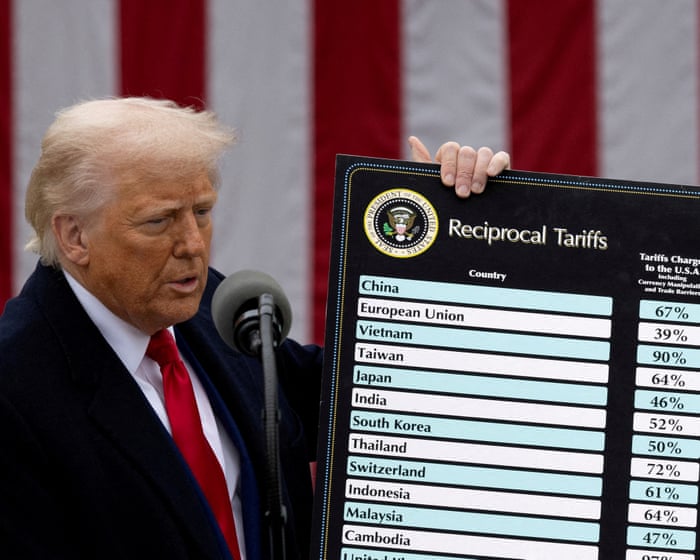
Reported facts: The Guardian article states that President Trump signed orders imposing a 50% tariff on many Canadian goods and, days later, imposed 10% or 12.5% tariffs on goods from over 80 countries, citing forced-labor concerns as justification. Attributed claims: The author claims the timing is politically motivated ahead of midterm elections, that the measures will inflame foreign relations, and that the justifications are weak or absurd. Uncertainties: The piece is an opinion column and does not supply independent documentary evidence (such as the full text of the orders, lists of affected tariff lines, or the administration's specific forced-labor findings) within the supplied article text.
Source and Framing Analysis
This is an opinion column in The Guardian presenting a critical interpretation of presidential trade actions. The framing uses charged language (e.g., 'plaything', 'absurd') and attributes political motives; those rhetorical choices shape the reader's impression. Material uncertainties include the legal record behind the tariffs, the specific forced-labor evidence cited by the administration, and independent economic estimates of impact — none of which are provided in the supplied article link.
Biblical Reflection
This reporting raises multiple ethical and pastoral concerns. Christians should value truth-seeking: confirm the legal basis the administration cites (which goods, which forced-labor findings, and the text of the orders) before accepting motive-based interpretations. At the same time, Scripture calls believers to care for the vulnerable — forced-labor allegations deserve serious scrutiny and remedial action. That means asking whether policy responses genuinely protect exploited workers or instead use their plight instrumentally for political or economic advantage.
From a neighbor-love perspective, broad tariffs that raise consumer prices, strain supply chains, and inflame diplomatic tensions risk harming ordinary families and vulnerable workers both at home and abroad. Christian judgment should therefore weigh both justice for those exploited in supply chains and mercy for those who will bear the economic costs. We must resist simplistic binaries (patriotism vs. globalism, punishment vs. protection) and instead press for truthful, proportionate measures that seek restoration, not retaliation.
Finally, the article is an opinion piece and uses charged language and motive attribution; Christians should read it discerningly, separating documented actions (tariff orders and percentages) from the author's interpretations about motives and outcomes. Pray for leaders to govern with humility, pursue justice for the oppressed, and seek peaceable solutions that minimize harm to neighbors near and far.
Scripture in context
- 1Matthew 5:9 — Part of the Sermon on the Mount where Jesus calls his followers to embody kingdom virtues that contrast with worldly power struggles; 'peacemakers' are presented as blessed in the ethical teaching of Jesus. — This passage invites Christians to prefer paths that pursue peace and reconciliation in national and international disputes, and to critique policies that escalate conflict without a just and proportionate cause.
- 2Isaiah 1:17 — A prophetic call for Israel to seek justice and defend the oppressed, spoken in a context of covenantal critique where religious ritual has become empty without ethical action. — This passage underlines that faithfulness includes active concern for the oppressed; allegations of forced labor require concrete efforts toward justice, not merely rhetorical use in policy debates.
Faithful Response
Pray for discernment and for impacted people — victims of forced labor, workers, and families affected by higher prices.
Seek primary documents and reliable analysis before forming firm judgments: read the tariff orders, administration statements, and independent economic and human-rights assessments.
Support organizations that investigate supply-chain labor abuses and that provide relief or remediation to exploited workers.
Engage in civil, informed advocacy — contact elected representatives to ask for transparent justification and for policies that both address exploitation and limit harm to vulnerable populations.
Reflection and Discussion
- 1How should Christians weigh national economic interests against the ethical obligation to protect exploited workers in global supply chains?
- 2In what ways does rhetorical framing (urge to punish vs. urge to protect) influence our moral response to policy claims about forced labor?
- 3What practices of humility and truth-seeking should Christians adopt when political actors use moral language to justify economic measures?
Sources
Reporting links are evidence inputs; Sanctuary News' biblical reflection is commentary.
This outlook currently relies on fewer than two linked sources. Broaden verification before teaching from it.
- 1.Tariffs are Trump’s favorite plaything – and his justifications are absurd | Steven Greenhouseprimary_reporting