News Summary
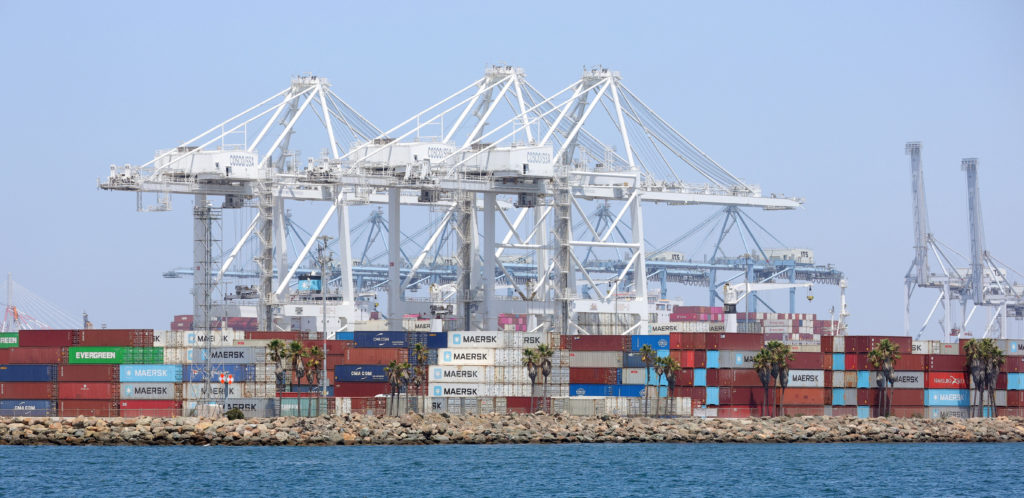
Reported facts: The PBS NewsHour article states that President Trump implemented a new set of tariffs effective Friday covering more than 80 countries and nearly all U.S. imports, replacing an earlier tariff set that the article says the Supreme Court struck down earlier this year; the piece is credited to Liz Landers. Attributed claims: The article reports that the earlier tariffs were launched on a day Trump called "liberation day." Uncertainties: The article does not provide the new tariffs' legal basis or the detailed list of affected goods and countries, nor does it include economic estimates, reactions from trading partners, or administration statements beyond the characterization given.
Source and Framing Analysis
The story is a short factual report without detailed economic analysis or primary legal documents attached. Material uncertainties that affect judgment include: the specific tariff schedule and legal authority cited for the new action; data on which imports and sectors are affected; timeline for implementation; and responses from trading partners and domestic industries. Because the piece is brief, readers should treat it as an initial report that requires follow-up with primary documents and economic analysis.
Biblical Reflection
As Christians seeking truth and justice, evaluate this policy both for its factual basis and for its real-world effects on neighbors at home and abroad. The article presents an executive action expanding tariffs to a very broad set of goods and countries; that kind of economic policy can raise prices for consumers, disrupt supply chains, and provoke retaliatory measures that affect workers and vulnerable communities. Christians should therefore be attentive to who benefits and who bears burdens from such measures.
The article’s brief reporting leaves important practical and moral questions unanswered: the legal rationale for the new structure, the list of goods and countries specifically affected, projected economic consequences, and the responses of trading partners. Faithfulness here requires humility and patience—avoid rush to partisan certainties, press for facts, and advocate policies that protect the poor and promote fair, peaceful commerce.
Spiritually, political power must be exercised under the rule of law and with concern for neighbor-love. Where policy risks harming those least able to absorb price increases (low-income households, small businesses, and workers in export-dependent industries), Christians should call both for truthful transparency from leaders and for mercy in implementation and mitigation.
Scripture in context
- 1Proverbs 11:1 — A wisdom proverb contrasting honest and dishonest business practices in the life of Israel; it addresses integrity in economic dealings and community wellbeing rather than technical economic policy. — This passage underscores that policies and trade practices ought to aim at fairness and not advantage through dishonest measures; Christians should evaluate economic actions by whether they promote honest exchange and protect the vulnerable.
- 2Philippians 2:3-4 — Paul exhorts the early Christian community to humility and to regard others' interests above their own in a context of internal unity and service. — When Christians assess public policy, this passage calls us toward humility, to consider the interests of the poor and those who will suffer unintended consequences, and to resist partisan triumphalism.
Faithful Response
Pray for wisdom for national leaders and for those directly affected by trade changes.
Seek out the full legal text and official administration guidance to understand the precise scope and timeline of the tariffs before forming firm judgments.
Watch for economic impact studies and statements from industries, labor groups, and international partners to assess who is materially affected.
Support local congregational responses—food pantries, utility assistance, and job assistance—that can mitigate harm to neighbors likely to face higher costs.
Reflection and Discussion
- 1What information is missing that matters most for judging whether this tariff policy is just and wise?
- 2Who are the likely winners and losers from broad tariffs, and how should concern for the vulnerable shape our evaluation?
- 3Are there lawful, peaceful alternatives that would address legitimate economic grievances without imposing disproportionate harm?
Sources
Reporting links are evidence inputs; Sanctuary News' biblical reflection is commentary.
This outlook currently relies on fewer than two linked sources. Broaden verification before teaching from it.
- 1.Trump sets new tariffs on trading partners, covering nearly all U.S. importsprimary_reporting