News Summary
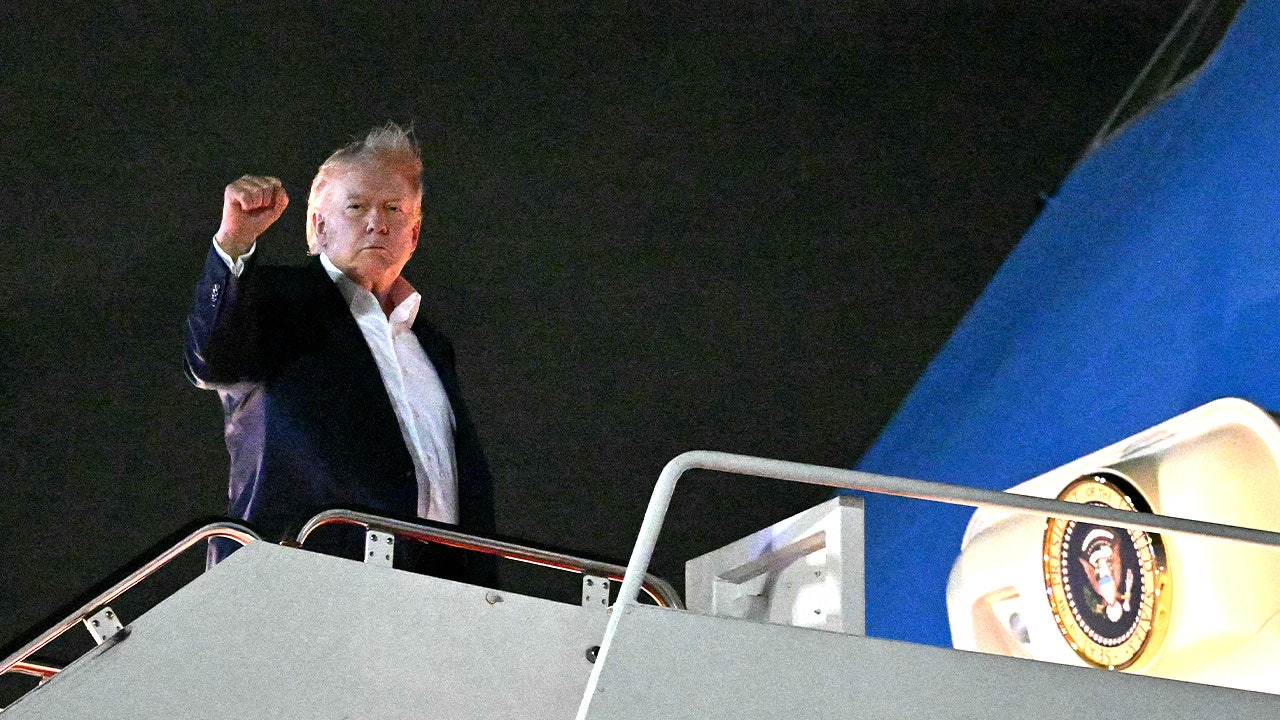
President Donald Trump traveled to Évian-les-Bains, France, to attend the G7 summit with a U.S. delegation that includes Secretary of State Marco Rubio. The administration announced a memorandum of understanding with Iran that it says finalizes an agreement to end the war, authorized removal of a U.S. naval blockade of the Strait of Hormuz, and signaled readiness to reopen the strait. European leaders issued a joint statement saying they would consider lifting relevant sanctions in response to clear, verifiable Iranian nuclear steps. At the G7, leaders are scheduled to discuss trade, artificial intelligence, supply-chain resilience, critical minerals, illegal immigration, and the war in Ukraine. Trump plans bilateral meetings with several leaders (France, Qatar, India, UAE, Egypt) and seeks a U.S.-India trade deal and continued use of tariffs to address trade imbalances. AI company executives are expected to attend G7 sessions on regulation. The reporting includes administration statements praising restored U.S. standing and frames the Iran announcement as a diplomatic success; it also notes allied scrutiny of China-related dependencies and the upcoming USMCA review deadline on July 1.
Biblical Reflection
From a Christian perspective, the developments raise important questions about truth, accountability, and the common good. Announcements of an 'end to war' and the reopening of critical shipping lanes carry real humanitarian and economic consequences, so they require clear, independent verification and sustained commitments to justice and protection for the vulnerable. The article largely conveys the administration’s framing and supportive allied statements but gives limited space to skeptical or independent assessments; readers should be cautious about accepting sweeping claims at face value. Christian wisdom calls leaders and citizens to prize peace (not merely the appearance of peace), to demand truthful transparency, and to weigh national interest against neighbor-love—especially when policy decisions affect civilians, refugees, and global food and energy security. Trade policies that aim to protect domestic workers can reflect stewardship and justice when they are honest about costs and trade-offs; conversely, aggressive economic nationalism risks alienating partners and harming the poor if it escalates retaliation or supply disruptions. On AI, cooperative and humble governance that seeks to protect human dignity aligns with Christian virtues; unilateral approaches that prioritize advantage over responsibility do not. Overall, pursue verification, pray for wise stewardship, call leaders to accountability, and prioritize policies that protect life and the common good.
Scripture in context
This outlook does not yet include contextual Scripture citations. Do not treat a general biblical theme as an exegetical conclusion.
Faithful Response
No prescribed response is offered. Consider the reflection prompts below in your own church context.
Reflection and Discussion
- 1What concrete evidence and verification mechanisms are in place to confirm the U.S.-Iran memorandum’s commitments, and who will independently monitor compliance?
- 2How do tariff-driven, 'America First' trade measures balance legitimate national interests with responsibilities to global neighbors who may suffer from supply disruptions or economic retaliation?
- 3Are voices representing humanitarian, regional, or allied concerns sufficiently included in official narratives, or does the reporting prioritize government messaging over independent scrutiny?
Sources
Reporting links are evidence inputs; Sanctuary News' biblical reflection is commentary.
This outlook currently relies on fewer than two linked sources. Broaden verification before teaching from it.
- 1.Original reportprimary