News Summary
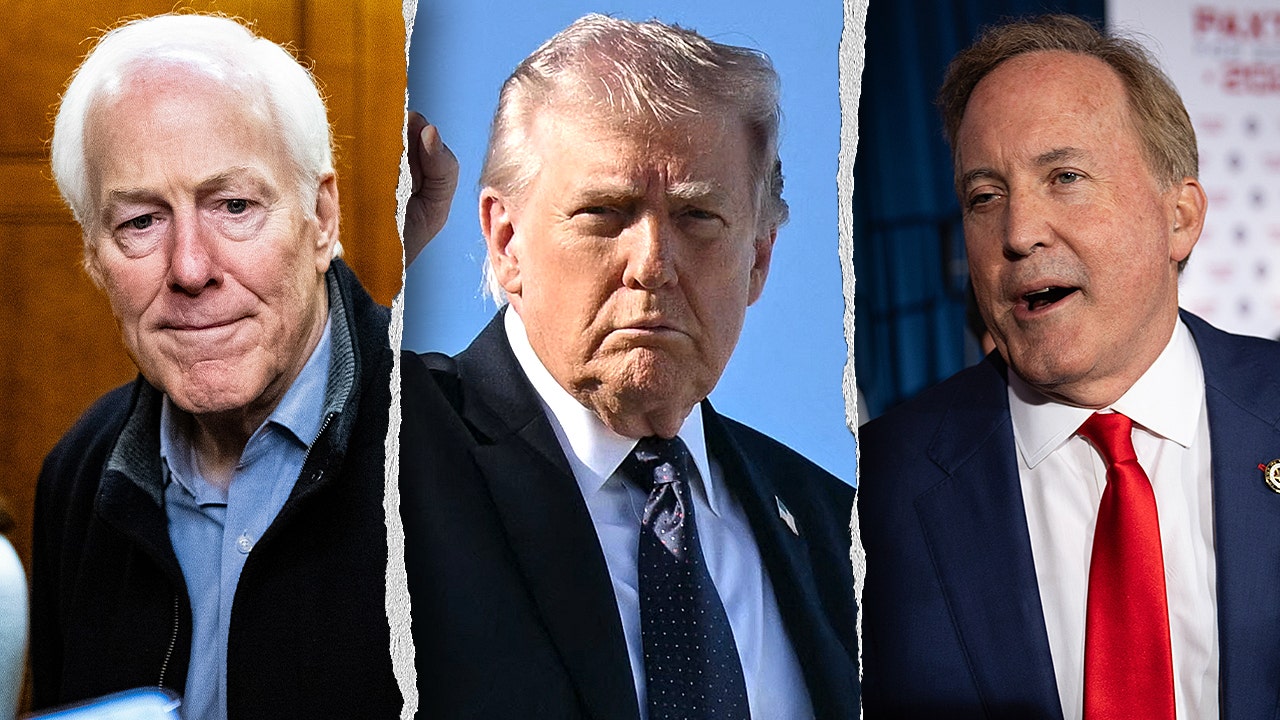
President Donald Trump endorsed Texas Attorney General Ken Paxton one week before a Republican runoff election for the U.S. Senate nomination, instead of supporting incumbent Republican Sen. John Cornyn. The runoff pits Paxton against Cornyn after neither cleared 50% in the March primary. Trump characterized Cornyn as "VERY disloyal," citing past disagreements; Cornyn says he has supported the president and his agenda. Cornyn warned that a Paxton nomination would draw large Democratic spending against the GOP and could imperil Republican chances to hold the Senate majority. Paxton has national name recognition from lawsuits against federal administrations and has faced multiple legal and personal controversies, including a 2023 impeachment by the Texas House followed by acquittal in the state senate and an ongoing divorce. The winner of the GOP runoff will face Democratic nominee James Talarico — who raised about $27 million in the first quarter of the year — in the general election. The article also summarizes other Texas runoffs (including the attorney general contest between Rep. Chip Roy and state Sen. Mayes Middleton) and highlights several congressional primary runoff contests and a controversy involving Democratic primary candidate Maureen Galindo in the 35th District.
Biblical Reflection
From a Christian perspective, this story exposes how political loyalty, power, and personality often dominate public conversation. The article centers on influence—Trump's endorsement, intra-party purges, and warnings about money and electability—more than sustained attention to policy details or moral accountability. Christians should note two tensions: the drive for partisan victory (which can incentivize loyalty to leaders over truth) and the need for accountability (which requires sober attention to character and conduct). Media framing here leans into conflict and personalities; readers should watch for language that amplifies division (labels like "MAGA firebrand" or "VERY disloyal") rather than clarifying issues. Pastoral discernment calls believers to resist tribalism, evaluate candidates by integrity, justice, and compassion, and insist that political means serve neighbor-love and the common good. At the same time, Christians must pursue truth and justice without delighting in personal ruin—holding leaders accountable while offering mercy where repentance is evident. Prayful civic participation, clear-eyed assessment of claims and motives, and public witness to humility and courage are appropriate Christian responses.
Scripture in context
This outlook does not yet include contextual Scripture citations. Do not treat a general biblical theme as an exegetical conclusion.
Faithful Response
No prescribed response is offered. Consider the reflection prompts below in your own church context.
Reflection and Discussion
- 1Are we prioritizing loyalty to a political leader or fidelity to truth, justice, and the common good?
- 2How does media emphasis on personalities and conflict shape our judgments about candidates and issues?
- 3In what ways should the church speak about political power—calling out wrongdoing, offering mercy, and promoting policies that reflect neighbor-love?
Sources
Reporting links are evidence inputs; Sanctuary News' biblical reflection is commentary.
This outlook currently relies on fewer than two linked sources. Broaden verification before teaching from it.
- 1.Original reportprimary