News Summary
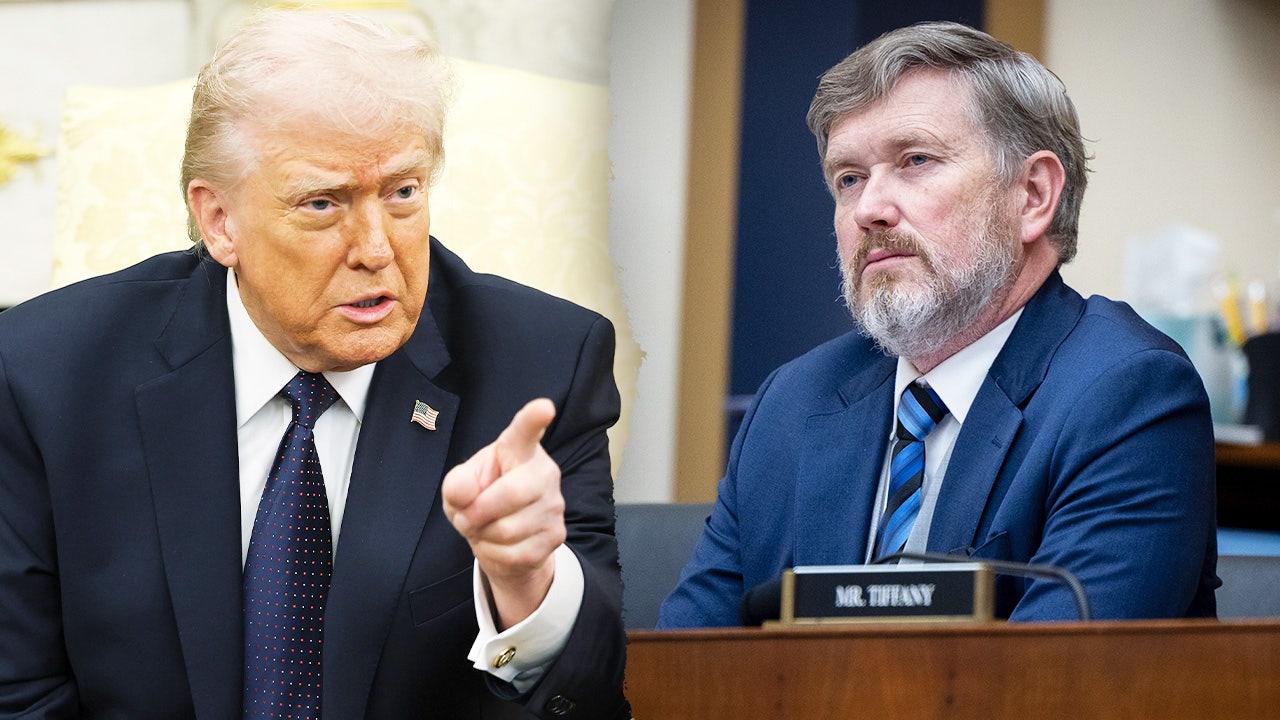
Six states (Alabama, Georgia, Idaho, Kentucky, Oregon, and Pennsylvania) held primary elections that included high-profile Republican and Democratic nomination contests. In Kentucky’s 4th Congressional District primary, President Donald Trump publicly targeted Rep. Thomas Massie and endorsed Ed Gallrein, with outside groups and Trump allies spending heavily; ad-tracking firm AdImpact reported the race became the most expensive House primary in history with more than $32 million in ad spending. Massie, a four-term libertarian-leaning congressman, has criticized Trump on foreign policy and opposed foreign aid, including to Israel; he also pushed for release of government files related to Jeffrey Epstein. Gallrein campaigned with support from Trump allies including Pete Hegseth. The article also notes other contested GOP primaries — including the Kentucky Senate primary to succeed Mitch McConnell and gubernatorial and Senate contests in Georgia and Alabama — framed as tests of Trump’s influence in the Republican Party.
Biblical Reflection
The story reports political maneuvers and high spending meant to shape nominations and signal influence within a major party. From a Christian perspective, the account highlights how concentrated power, partisan loyalty, and large sums of money can amplify conflict and shape public choices—forces that can tempt leaders and voters to prioritize victory and influence over truth, humility, and the common good. The article’s framing emphasizes Trump’s role as a kingmaker and the stakes for his reputation, which reflects a worldview that equates political success with personal power and status. Christians should note that media narratives often focus on conflict, personalities, and spectacle; discerning readers ought to separate verifiable facts (endorsements, spending amounts, candidate positions) from rhetorical framing that prizes drama. The Bible calls leaders and citizens to seek wise counsel, act with integrity, and weigh motives (Proverbs 11:14; 1 Samuel 16:7). Prayful discernment means asking whether endorsements and attacks serve the public interest or sectional advantage, and whether Christian witness is being advanced by virtue, truth, and humility rather than partisan triumph.
Scripture in context
This outlook does not yet include contextual Scripture citations. Do not treat a general biblical theme as an exegetical conclusion.
Faithful Response
No prescribed response is offered. Consider the reflection prompts below in your own church context.
Reflection and Discussion
- 1What motives—principled disagreement, party unity, personal reputation, or raw power—does the coverage highlight, and which of those motives does the article under-examine?
- 2How does focusing on endorsements, ad spending, and personality contests shape our view of what healthy political leadership looks like compared with biblical standards of humility, truthfulness, and servanthood?
- 3Are we letting tribal loyalties or media spectacle determine our judgments about candidates, or are we assessing public servants by consistent moral and policy principles?
Sources
Reporting links are evidence inputs; Sanctuary News' biblical reflection is commentary.
This outlook currently relies on fewer than two linked sources. Broaden verification before teaching from it.
- 1.Original reportprimary