News Summary
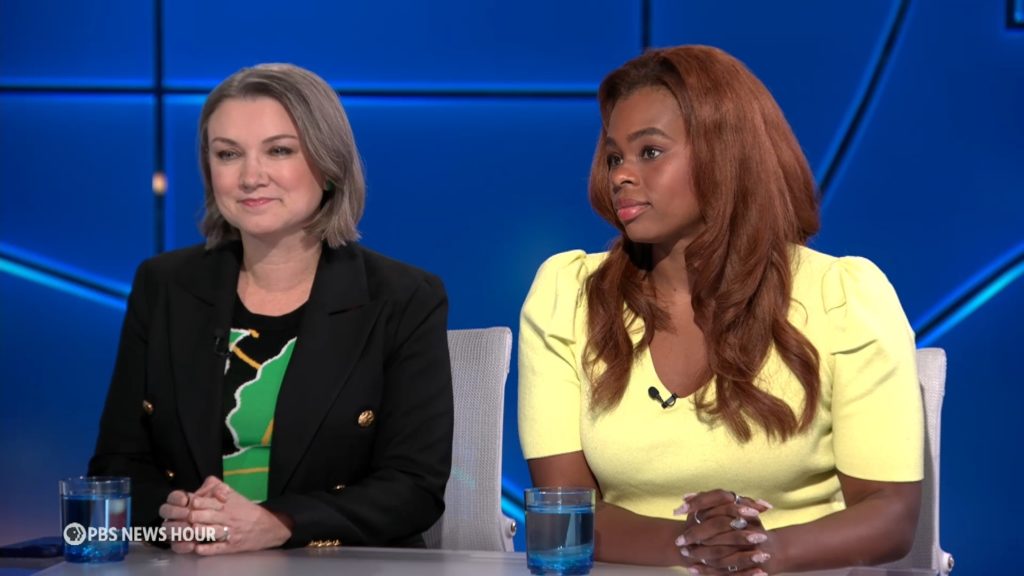
Reported facts: Tamara Keith and Jasmine Wright joined Amna Nawaz to discuss recent political events: Arizona’s upcoming Republican primary to choose a nominee to challenge the incumbent Democratic governor; Troy Jackson appearing to clinch the Democratic Senate nomination following Graham Platner’s exit; and the political fallout following President Trump’s address on election security. Attributed claims: the piece frames the Trump address as producing notable "fallout," implying sustained political consequences; the report attributes the appearance of Jackson clinching the nomination to Platner's exit. Uncertainties: the article does not provide vote totals, official nomination certificates, the content or factual basis of Trump's election-security claims, or detailed reactions from election officials or the campaigns.
Source and Framing Analysis
The supplied item is a short news-discussion segment summary from a single outlet (PBS NewsHour). The piece reports developments and political reactions but does not supply primary documents, direct quotes from the Trump address, campaign statements, or election administration data. That creates material uncertainty about the scope and substance of the "fallout" and the factual basis for any election-security claims referenced. Framing as a discussion can emphasize interpretation over raw data; listeners should treat analysis as interpretation and seek primary statements or official results for confirmation.
Biblical Reflection
This report is a news discussion of political developments rather than an argument for a particular policy. Christians listening should first seek clear facts and avoid taking partisan summaries as final verdicts. Public conversation about election security, candidate withdrawals, and primary contests can easily be shaped by fear, tribal loyalty, or incomplete information; the gospel calls us to pursue truth, both in what we say and in how we evaluate leaders.
The posture Scripture commends is a mix of humility, careful discernment, and active love for neighbor. That means verifying claims about election processes before amplifying them; caring for the vulnerable whom political instability most affects; and resisting the impulse to demonize opponents. When political speech raises anxiety about democratic institutions, our Christian response should be to advocate for accurate information, fair process, and peaceable civic engagement.
At the same time, Christians should hold leaders to account without abandoning mercy — asking whether rhetoric and policy protect the common good and the dignity of all people. Pray for leaders and election officials, support institutions that ensure transparent voting, and practice civic participation marked by truthfulness, restraint, and a commitment to the flourishing of neighbors across partisan lines.
Scripture in context
- 1Philippians 2:1-4 — In Philippians 2 the apostle Paul urges Christians to adopt humility and to value others above themselves, advising readers to look not only to their own interests but also to the interests of others. — This passage calls Christians to listen humbly amid political disagreement and to prioritize the welfare of neighbors when evaluating political rhetoric and policy proposals rather than advancing partisan advantage at the cost of communal trust.
- 2Matthew 5:9 — In the Sermon on the Mount, Jesus blesses peacemakers and describes being children of God as connected to reconciling and peaceable actions. — When political rhetoric inflames fear and division, Matthew's call to be peacemakers challenges Christians to pursue truthful conversation, reduce needless escalation, and work for reconciliation where possible.
Faithful Response
Pause before sharing political claims; verify with primary sources (official statements, vote tallies, or transcripts) rather than social summaries.
Pray for candidates, election officials, and citizens affected by political uncertainty, asking God for truth, calm, and just processes.
Engage locally: support transparent election administration (volunteer as poll workers, promote voter education) and encourage civil dialogue across differences.
Hold leaders accountable with facts and charity—raising concerns about policy or rhetoric while avoiding dehumanizing language.
Reflection and Discussion
- 1How does the way we consume and share political news reflect our commitment to truth, humility, and love for neighbors?
- 2When leaders emphasize security, what questions should we ask to balance legitimate safety concerns with protecting access and fairness in elections?
- 3How can the church be a community that reduces fear-driven division and supports civic institutions that serve the common good?
Sources
Reporting links are evidence inputs; Sanctuary News' biblical reflection is commentary.
This outlook currently relies on fewer than two linked sources. Broaden verification before teaching from it.
- 1.Tamara Keith and Jasmine Wright on the political fallout of Trump's addressprimary_reporting