News Summary
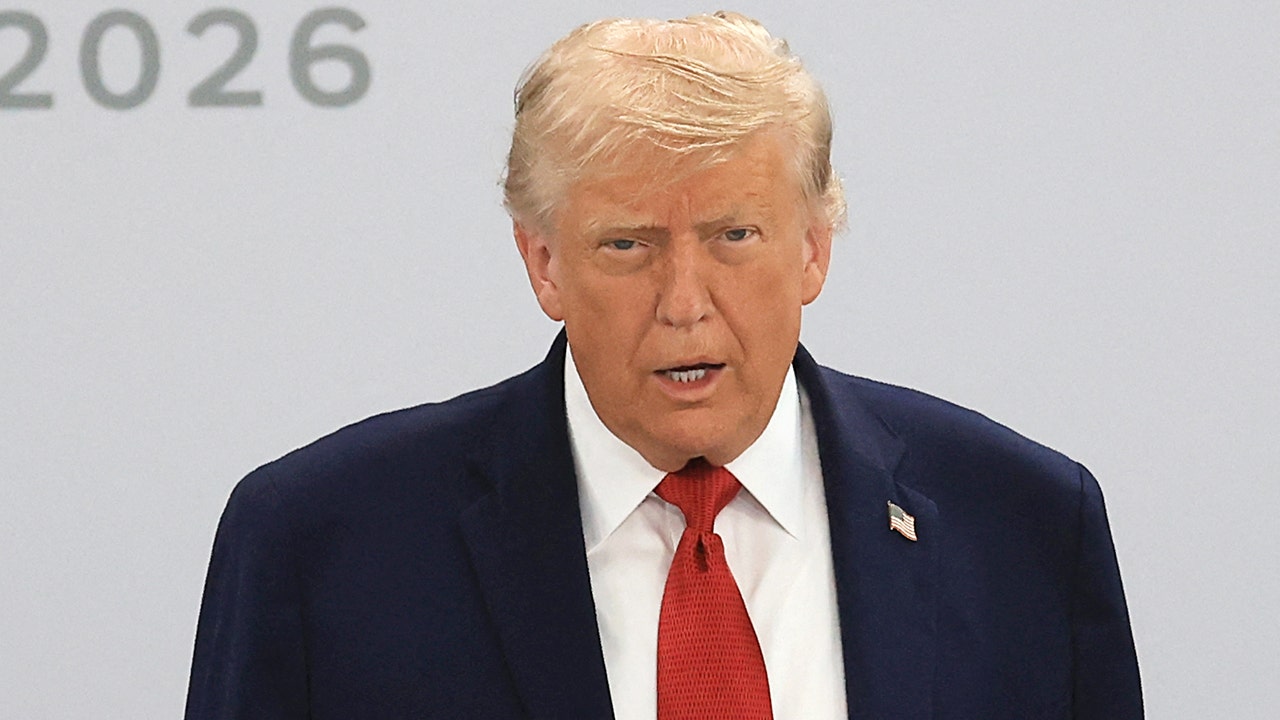
At the G7 summit in Evian, President Donald Trump held a lengthy press conference defending a short Memorandum of Understanding with Iran. He insisted the United States is not providing money, arguing the $300 billion referenced are frozen Iranian assets to be returned rather than new U.S. payments. Trump said the memorandum includes Iranian commitments such as not developing nuclear weapons and reopening the Strait of Hormuz; he described the document as about a page and a half and more an outline for further negotiations. He asserted that prior U.S. military strikes and pressure had weakened Iran’s leadership and said he would respond militarily if Iran “doesn’t behave,” including using Patriot missiles. Trump said he might attend the signing in Switzerland but suggested Vice President JD Vance could represent the U.S. He claimed Israel was satisfied though reporting indicates Israeli leaders expressed serious reservations. The article includes commentary on domestic political reactions, Republican criticism, and editorial observations about Trump’s demeanor and command of the subject.
Biblical Reflection
From a Christian perspective, any genuine move toward reducing violence and reopening diplomatic channels deserves sober encouragement, because peace and the protection of civilians are moral goods. At the same time, the article highlights two concerns Christians should watch for: first, truthfulness and accountability — semantic distinctions about “their” frozen assets versus U.S. payments can be used to avoid clear public accountability for the material consequences of a policy; second, the ethical cost of transactional diplomacy that relies on threats or one‑sided claims of success without independent verification. The piece also reveals a worldview that privileges power, dealmaking, and public performance; this can produce stability in some cases but risks sidelining humility, transparency, and the voices of affected neighbors (including allies and civilians in the region). Christians should therefore pray for leaders to pursue honest negotiation, protect the vulnerable, and subject agreements to careful oversight rather than accept partisan talking points or simple assurances that “it worked.”
Scripture in context
This outlook does not yet include contextual Scripture citations. Do not treat a general biblical theme as an exegetical conclusion.
Faithful Response
No prescribed response is offered. Consider the reflection prompts below in your own church context.
Reflection and Discussion
- 1How does labeling frozen assets as “their money” change who is held responsible for the outcomes of a diplomatic agreement?
- 2What checks — parliamentary oversight, independent verification, or allied consultation — are missing from this account that would help ensure the agreement protects civilians and regional stability?
- 3Is the framing of success in terms of personal credit and threats of force helping or hindering genuine, long‑term peace?
Sources
Reporting links are evidence inputs; Sanctuary News' biblical reflection is commentary.
This outlook currently relies on fewer than two linked sources. Broaden verification before teaching from it.
- 1.Original reportprimary