News Summary
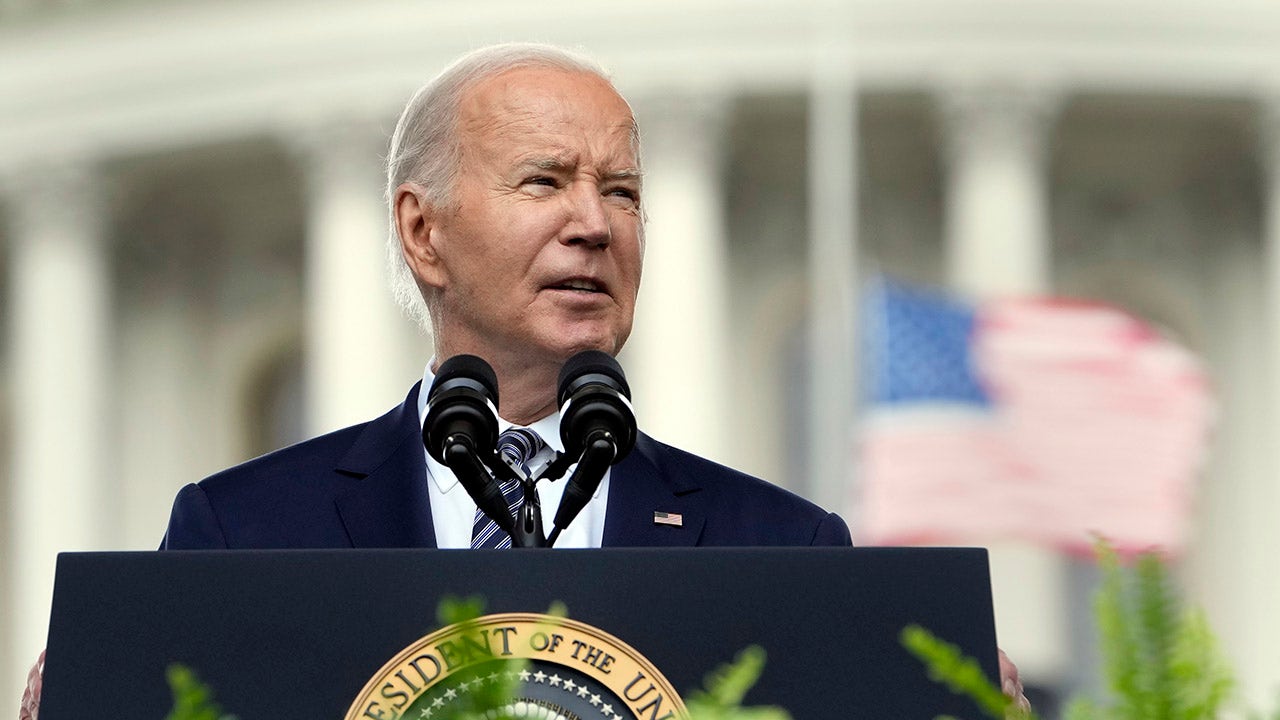
The Trump White House has declined to uphold former President Joe Biden’s assertion of executive privilege over a set of documents requested by several Senate committees. White House counsel David Warrington wrote to the National Archives and Records Administration (NARA) that President Trump determined Biden’s privilege claim is "not in the best interests of the United States" and directed NARA to provide the materials to Congress. The materials at issue span four congressional probes, including investigations into alleged efforts to conceal Biden’s health and cognitive fitness (including use of an autopen), alleged politically motivated investigations by the Biden administration into Donald Trump and his allies, and the Biden family’s financial dealings. Warrington argued the privilege assertions were unjustified for the documents identified in Biden’s Oct. 22 and Dec. 3 letters to NARA and noted no clear Supreme Court precedent extending executive privilege to cover assistance in a family member’s business dealings. The dispute follows prior denials of privilege over autopen-related records and is part of broader Republican oversight efforts. The article notes Biden’s denials of wrongdoing and contextualizes the dispute amid continuing partisan tensions following the 2024 campaign season.
Biblical Reflection
Scripturally, this story sits at the intersection of two biblical imperatives: the pursuit of justice and the call to humility and mercy. Scripture affirms righteous oversight and accountability — leaders are to be stewarded and held responsible (Proverbs 16:11; Isaiah 1:17). Transparency in matters affecting the common good can be an instrument of justice and protection for the vulnerable. At the same time, the Bible warns against using truth as a club for revenge, partisan spectacle, or public shaming (Romans 12:17–21; Matthew 7:1–5). Christians should therefore evaluate both the motives and methods at work. If oversight seeks facts and the protection of the public interest, it aligns with biblical wisdom; if it seeks humiliation, political destruction, or selective enforcement, it fails the test of Christian virtue.
This moment also raises concerns about institutional integrity: executive privilege exists to protect candid counsel and the functioning of the executive, but it is not an absolute shield. The way power is exercised now — whether by invoking privilege, by aggressive disclosure, or by weaponizing investigations — will shape public trust. Christians are called to pray for leaders to pursue truth with humility, to seek restitution where wrongs are found, and to resist rejoicing in the downfall of opponents. Practically, that means supporting fair processes, seeking reconciliation where possible, and pressing for reforms that prevent abuse while honoring lawful authority.
Scripture in context
This outlook does not yet include contextual Scripture citations. Do not treat a general biblical theme as an exegetical conclusion.
Faithful Response
No prescribed response is offered. Consider the reflection prompts below in your own church context.
Reflection and Discussion
- 1Am I reacting to this news out of tribal loyalty or out of a sincere desire for justice and truth?
- 2How can I pray for leaders and institutions so that investigations pursue accountability without descending into vengeance or spectacle?
- 3In what ways should the church call for both transparency and mercy in public life?
Sources
Reporting links are evidence inputs; Sanctuary News' biblical reflection is commentary.
This outlook currently relies on fewer than two linked sources. Broaden verification before teaching from it.
- 1.Original reportprimary