News Summary
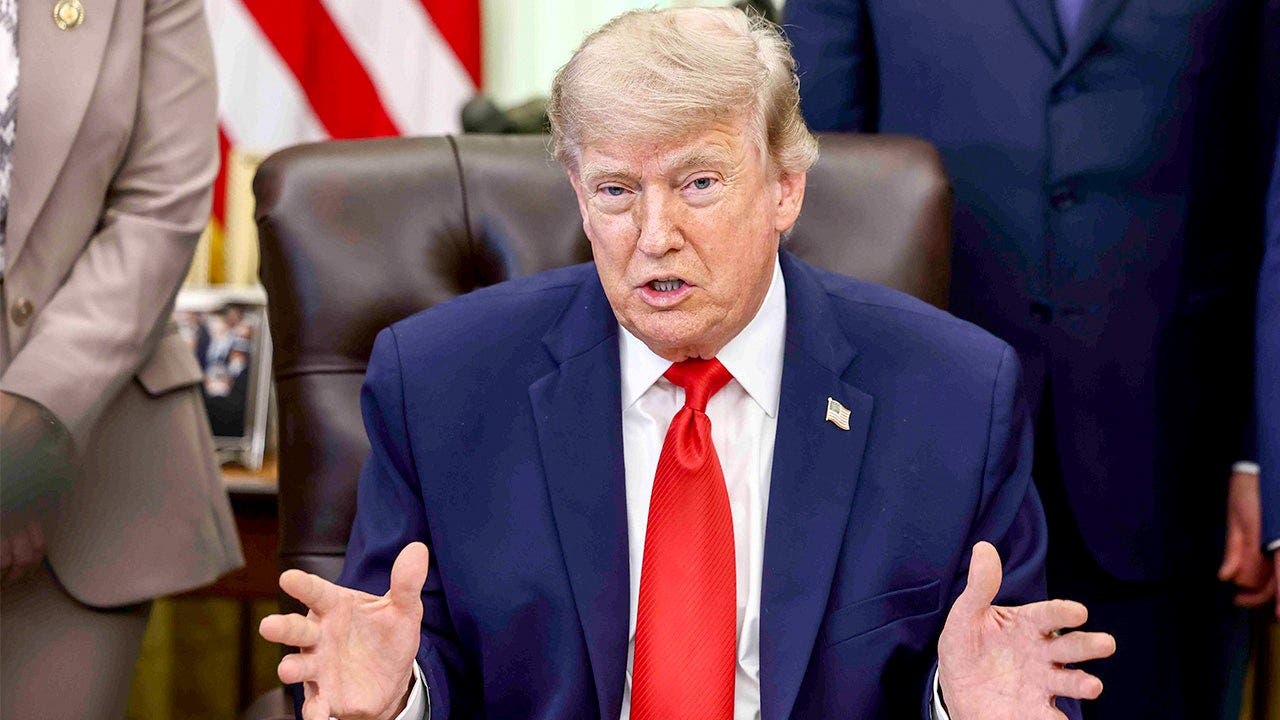
President Donald Trump posted on Truth Social that Italian Prime Minister Giorgia Meloni repeatedly asked for a photograph with him at the G7 and criticized her for refusing U.S. military use of Italian runways and air bases during the recent U.S. campaign against Iran. Meloni told Reuters she "completely made up" the photo claim and later posted on Instagram condemning what she called Trump’s "senseless" attacks, defending Italy’s sovereignty and its adherence to base-use agreements. Media reports (The Guardian) earlier said Italy denied use of a Sicilian air base for U.S. warplanes carrying weapons intended for operations against Iran. The article situates this dispute within broader strains between Trump and several NATO allies over military support, trade tariffs, and recent comments by Trump about other leaders, and it notes that U.S.-Iran talks were briefly postponed because of renewed fighting between Israel and Hezbollah before resuming in Switzerland after a ceasefire. The piece quotes Trump’s social media post criticizing Meloni’s popularity and framing Italy’s decision as ingratitude despite U.S. defense contributions to NATO allies.
Biblical Reflection
This report shows a bilateral rift expressed through personal accusation and public messaging rather than formal diplomatic channels. The factual claims are contested: Trump’s account of the photo request is denied by Meloni, and the broader critique about Italy’s refusal to allow base use is rooted in previous reporting but reflects a national decision grounded in legal agreements and sovereignty. The article’s tone centers the U.S. president’s public statements and frames alliance obligations transactionally, which can obscure the legitimate domestic and legal considerations of partner nations. From a Christian perspective, the episode raises concerns about truthfulness, humility, and the use of power: leaders are called to pursue peace, speak truth without demeaning others, and respect the dignity and sovereignty of neighbors. Public leaders broadcasting sharp personal attacks can erode trust needed for cooperation and peacemaking. Christians following this story should weigh competing claims carefully, prefer verified facts over personality-driven narratives, and pray for leaders to choose reconciliation and truthful speech over scorched-earth rhetoric.
Scripture in context
This outlook does not yet include contextual Scripture citations. Do not treat a general biblical theme as an exegetical conclusion.
Faithful Response
No prescribed response is offered. Consider the reflection prompts below in your own church context.
Reflection and Discussion
- 1How does personalizing diplomacy (public insults or name-calling) affect the ability of nations to cooperate for peace and security?
- 2Which claims in this story are verifiable facts and which are contested assertions — and why does that distinction matter for how we pray and respond?
- 3Are alliances being treated as mutual obligations grounded in law and neighbor-love, or as transactions measured only by short-term political benefit?
Sources
Reporting links are evidence inputs; Sanctuary News' biblical reflection is commentary.
This outlook currently relies on fewer than two linked sources. Broaden verification before teaching from it.
- 1.Original reportprimary