News Summary
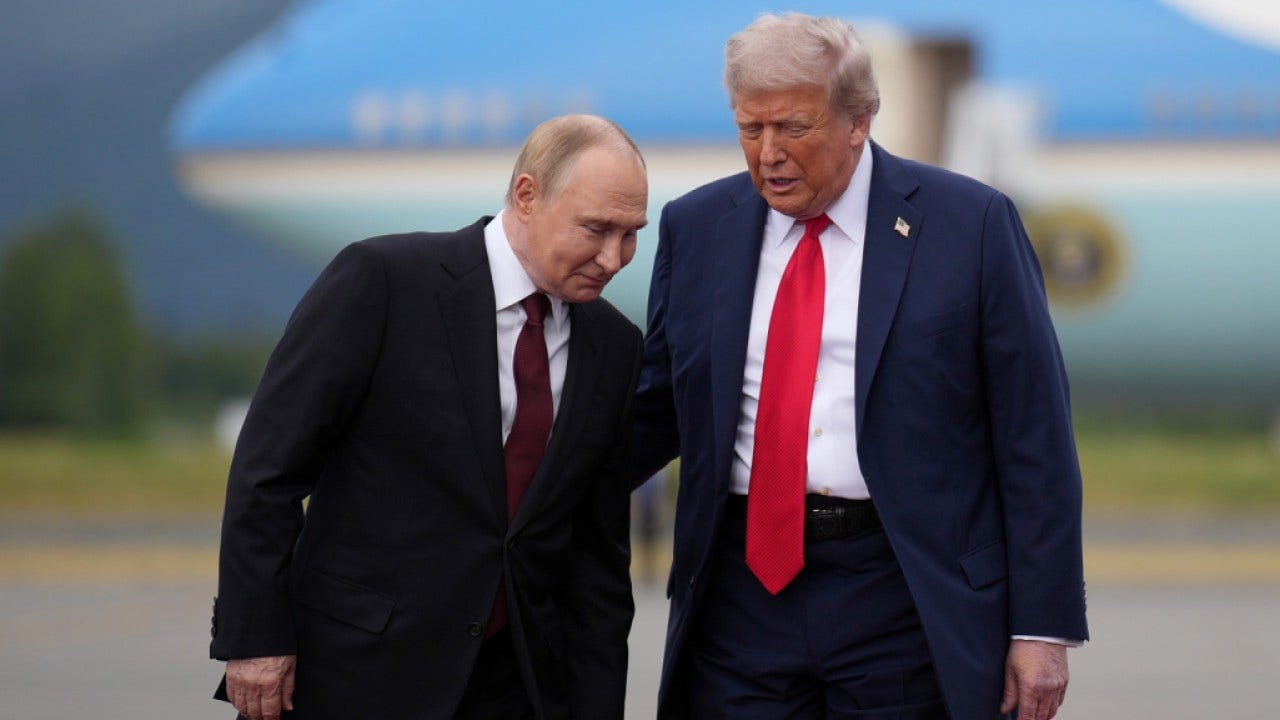
U.S. President Donald Trump confirmed that Russian President Vladimir Putin has been invited to join a new 'Board of Peace' tasked with supervising the next phase of the Gaza peace plan. Trump made the announcement at a public event, and the Kremlin acknowledged receipt of the invitation, stating they are reviewing the offer. Other countries, including France, Israel, Canada, Belarus, Slovenia, and Thailand, have also received invitations, with Morocco, Vietnam, Kazakhstan, Hungary, and Argentina already accepting. France, however, has declined to join for now, citing concerns about adherence to United Nations principles and structure. Trump responded to France's hesitation with dismissive remarks and threats of tariffs. The article also notes that these developments come amid ongoing conflict involving Russia and Ukraine and broader questions about international diplomacy.
Biblical Reflection
From a biblical perspective, peace-making is a high calling (Matthew 5:9), and efforts to resolve conflict—especially in war-torn areas like Gaza—should be approached with sincerity, humility, and justice. However, the process and the motivations behind such invitations matter greatly. Inviting leaders with histories of aggression or controversial policies, such as President Putin, raises profound questions about the integrity and moral grounding of the initiative. The manner in which President Trump discussed other world leaders, particularly using threats and dismissive language, reflects a spirit of pride and coercion rather than the humility and gentleness commended in Scripture (Philippians 2:3-4, James 3:17-18). True peacemaking should seek the common good, prioritize justice, and uphold the dignity of all involved—never using peace as a tool for personal or political leverage. Christians are called to pray for peace and wisdom for leaders, but also to discern whether peace efforts are genuinely aligned with God's call for justice, mercy, and truth.
Scripture in context
This outlook does not yet include contextual Scripture citations. Do not treat a general biblical theme as an exegetical conclusion.
Faithful Response
No prescribed response is offered. Consider the reflection prompts below in your own church context.
Reflection and Discussion
- 1Are the intentions and methods behind this peace initiative truly rooted in justice, mercy, and humility?
- 2How can Christians discern between genuine peacemaking and political maneuvering?
- 3What qualities does Scripture say should characterize those who seek to resolve conflict?
Sources
Reporting links are evidence inputs; Sanctuary News' biblical reflection is commentary.
This outlook currently relies on fewer than two linked sources. Broaden verification before teaching from it.
- 1.Original reportprimary