News Summary
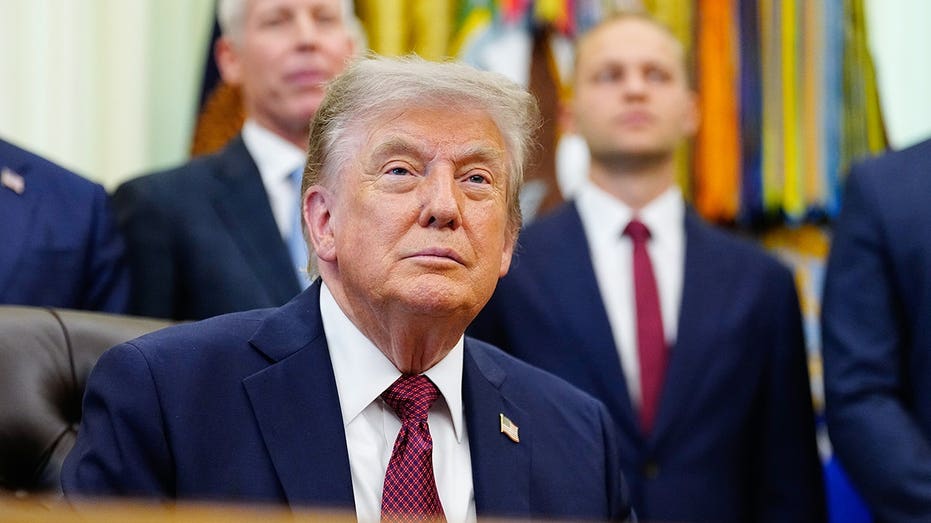
Reported facts: Fox News published that former President Donald Trump said a civilian nuclear energy deal with Saudi Arabia 'won't move forward' unless Saudi Arabia joins the Abraham Accords, and that this condition was 'always understood.' Attributed claims: the article attributes the remarks and the description of the condition being pre-existing to Trump; it does not present documentary evidence that the condition was formalized previously. Uncertainty: the piece does not include supporting documents, an explicit timeline, statements from U.S. or Saudi officials, or independent confirmation that such a pre-existing understanding exists.
Source and Framing Analysis
Only one source (Fox News) is provided. The report summarizes a public statement without supplying primary documents, official U.S. policy texts, or reactions from Saudi or other diplomatic actors. The framing centers on the former president's assertion as a declarative fact but leaves unanswered whether the condition is an established policy, campaign position, or rhetorical bargaining posture.
Biblical Reflection
This statement sits at the intersection of security, diplomacy, and moral imagination. From a Christian vantage, foreign policy is not merely strategic bargaining but concerns human flourishing, the protection of the vulnerable, and the pursuit of peace. Linking a civilian nuclear agreement to formal diplomatic normalization is a pragmatic lever; it may promote accountability and regional integration, but it also risks treating peoples and nations as instruments in geopolitical trade-offs.
Truth matters: the article reports an attributed statement, not documentary proof that the condition was previously agreed. Christians should resist accepting rhetoric at face value and instead seek verified facts; truth-telling cultivates trust, especially in matters that affect safety and life. Mercy and justice matter: nuclear cooperation implicates nonproliferation, regional stability, and the well-being of civilians. A posture of humility and care should guide public conversation—pressing for safeguards and transparency rather than partisan triumphalism.
Finally, pursue peace and neighbor-love. Pray and advocate for policies that reduce the risk of arms escalation, protect civilian life, and pursue reconciliation between peoples. Christians can model discernment: scrutinize claims, prioritize the vulnerable impacted by policy choices, and press leaders toward decisions that reflect stewardship, honesty, and peacemaking.
Scripture in context
- 1Matthew 5:9 — In the Sermon on the Mount Jesus describes the attitudes of those who belong to his kingdom; calling believers 'peacemakers' as part of a vision for reconciling relationships under God's rule. — Peacemaking in international affairs requires pursuing policies that reduce harm and seek reconciliation; Christians should weigh rhetoric about deals and leverage against the call to build sustainable peace and protect the vulnerable.
- 2Proverbs 11:14 — In wisdom literature the proverb notes that sound counsel and multiple advisers help avoid calamity in public life. — Public claims about security agreements should be evaluated alongside expert consultation, transparency, and multiple sources to avoid decisions based on incomplete or unchecked assertions.
Faithful Response
Pray for wisdom for policymakers, diplomats, and peoples affected by potential nuclear agreements.
Seek accurate, corroborated information before forming strong opinions; encourage others to verify official sources and statements.
Advocate for transparency and safeguards in any nuclear cooperation to protect civilians and advance nonproliferation.
Support ministries and charities that assist those who may be harmed by regional instability—refugees, displaced families, and victims of conflict.
Reflection and Discussion
- 1How should our desire for national security be balanced with the biblical call to protect the vulnerable and pursue peace?
- 2What practices help us hold leaders accountable to truth without descending into cynical dismissal of every political claim?
- 3In what ways can the church be a voice for restraint, transparency, and nonproliferation in public life?
Sources
Reporting links are evidence inputs; Sanctuary News' biblical reflection is commentary.
This outlook currently relies on fewer than two linked sources. Broaden verification before teaching from it.
- 1.Trump says Saudi nuclear agreement won't move forward without Abraham Accords: 'They have to be a member'primary_reporting