News Summary
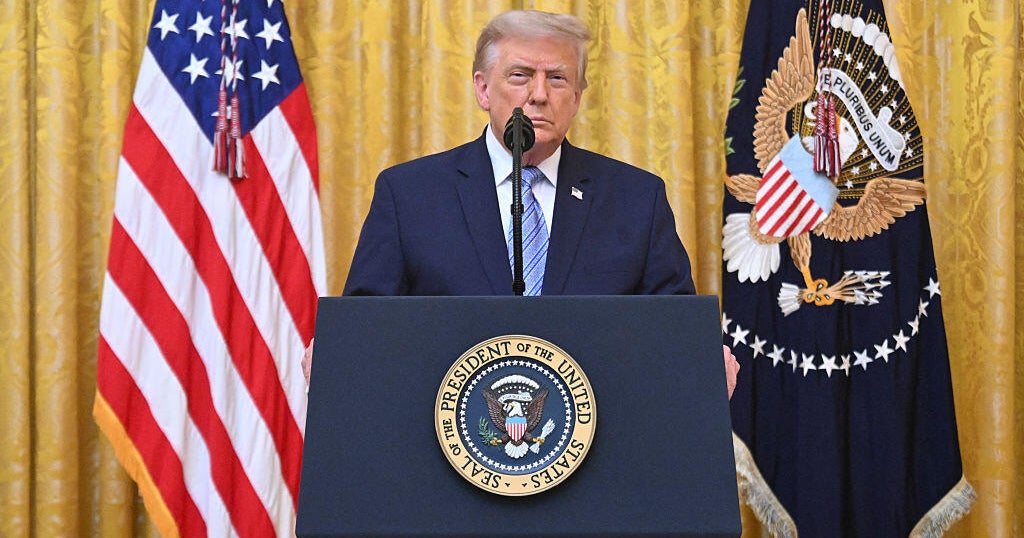
In a primetime speech, President Trump asserted that voting machines and ballot-counting systems are "extremely exposed to attack" and "easily compromised," citing declassified intelligence released by the White House. The administration’s released documents reference intelligence tied to the company Smartmatic and to concerns about foreign actors' capabilities. Experts and public assessments note that Smartmatic technology is not widely used in the United States (aside from limited use in Los Angeles County) and that Smartmatic has said it no longer operates in Venezuela. Election-security specialists and U.S. intelligence assessments state that U.S. vote-tabulation systems are typically not internet-connected, are closely controlled, and in most states are backed by paper ballots or receipts that enable audits and hand counts. A January 2020 National Intelligence Council memo acknowledged that foreign adversaries have the capability to target election infrastructure but said manipulating vote-tabulation systems at scale would be difficult and likely detected by post-election audits; a March 2021 intelligence assessment found no foreign actor altered the technical voting process in 2020. The article cites Georgia’s 2020 statewide machine counts, hand audit, and recount — which all affirmed the same results — as an example of layered verification.
Biblical Reflection
From a Christian perspective, truthful speech and responsible stewardship of public trust are moral imperatives. The article shows a tension between legitimate concern for election security and the danger of amplifying claims in ways that erode public confidence without clear evidence. The president highlighted intelligence about capabilities and vulnerabilities, but intelligence about what adversaries could do is not the same as evidence that election outcomes have been altered. The framings that conflate capability with proven compromise can inflame fear and division. Christians should care about robust safeguards for elections — because just institutions and fair processes serve neighbor-love and the common good — while also resisting rhetoric that sows distrust without corroboration. Practically, this calls for humility in public claims, deference to independent verification (audits, chain-of-custody procedures, bipartisan oversight), and a posture that seeks truth and peace rather than partisan advantage. We should hold leaders accountable for accuracy, encourage transparency in security practices, and support measures that both protect the vote and maintain public confidence grounded in verifiable facts.
Scripture in context
This outlook does not yet include contextual Scripture citations. Do not treat a general biblical theme as an exegetical conclusion.
Faithful Response
No prescribed response is offered. Consider the reflection prompts below in your own church context.
Reflection and Discussion
- 1Does the reporting distinguish between what adversaries might be capable of and what has actually occurred, and why does that distinction matter?
- 2Who benefits if public trust in electoral systems erodes, and how should that inform our response to alarming claims?
- 3Are calls for reform based on verified problems and solutions, or are they primarily rhetorical tools that risk deepening division?
Sources
Reporting links are evidence inputs; Sanctuary News' biblical reflection is commentary.
This outlook currently relies on fewer than two linked sources. Broaden verification before teaching from it.
- 1.Original reportprimary