News Summary
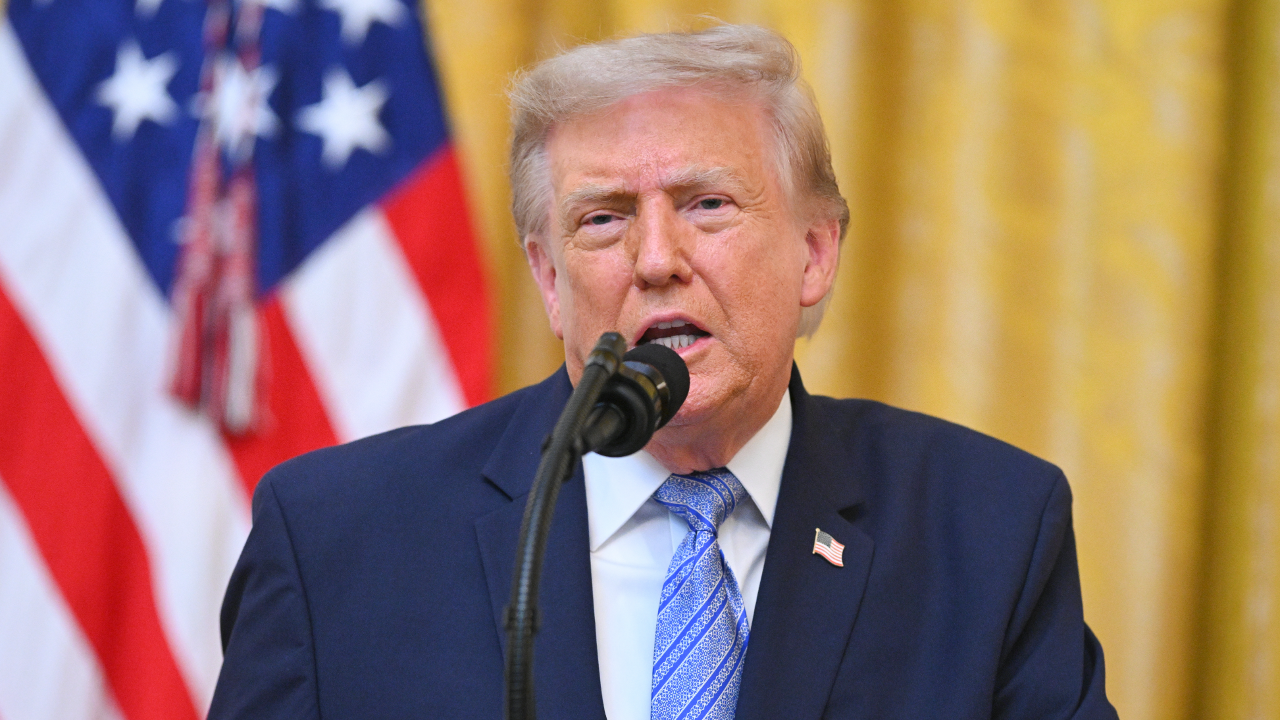
Reported facts: President Trump delivered a July 16 speech asserting that newly declassified intelligence and DHS analysis show Chinese actors acquired or tried to acquire U.S. voter-registration information and that DHS comparisons flagged roughly 278,000 potential noncitizen registration matches; the president directed federal agencies to investigate and urged passage of the SAVE America Act. Attributions and uncertainty: The 220 million figure for compromised voter files, the characterization of coordinated suppression by intelligence personnel, the contents of the alleged emails and the ‘‘burn bags,’’ and the full DHS findings are presented as claims by the president and the administration or by the columnist; the underlying intelligence documents and technical forensic evidence are not published in the article. Note: the article explicitly reports there were no claims that votes were changed.
Source and Framing Analysis
Source role: This is an opinion column on Fox News by Hans von Spakovsky, a legal fellow with a public record of advocacy on election rules. Framing: the piece presents the president's claims as urgent and in need of action, links them to long-standing policy prescriptions (voter ID/proof-of-citizenship), and frames noncooperating states as obstructionist. Missing voices and perspectives: the article does not publish or link to the underlying intelligence or DHS technical reports, nor does it include statements from independent cybersecurity experts, the named intelligence agencies (CIA, FBI), state election officials from the states referenced, or neutral third-party verification. Incentives: the author and publisher have political and policy positions that align with the advocated reforms; the column promotes immediate legislative action. Disputed claims needing independent verification: the 220 million number, the nature and extent of Chinese access, the alleged internal suppression emails and the ‘‘shadow government’’ claim, the DHS matching methodology and state-by-state breakdown, and the chain-of-custody for documents found in ‘‘burn bags.’’
Biblical Reflection
This article presents serious allegations about foreign access to voter files and internal suppression of intelligence. Christians should demand rigorous truth-seeking: these are matters that affect public trust, civic peace, and the common good, so claims must be tested carefully. The article is an opinion piece advocating specific policy responses (for example, voter ID and proof-of-citizenship) and presents partisan framing (blaming particular states and officials) without publishing the underlying documents or independent technical analyses. The Christian posture here is not partisan cheerleading nor reflexive dismissal, but humble insistence on evidence, protection for vulnerable citizens, and love of neighbor: pursue transparency and lawful accountability while guarding against rhetoric that heightens fear, scapegoating, or marginalization. Encourage sober investigation, protect voting access, and avoid amplifying unverified claims that fracture community trust.
Scripture in context
- 1Proverbs 18:17 — Proverbs offers wisdom about fair hearing and discernment. In its ancient wisdom context the book warns against hasty judgment and emphasizes that a single account is incomplete until the other party is heard. — Use this as a guide for civic discernment: withhold final judgment until available evidence and multiple voices (including independent experts and those accused) are heard; promote procedures that surface facts rather than fuel rumor.
Faithful Response
Seek out primary documents and independent technical analyses before sharing dramatic claims; prioritize reporting from multiple, independent sources.
Pray for investigators, public leaders, and election officials to act with integrity and wisdom rather than partisan advantage.
Support nonpartisan efforts that both strengthen cybersecurity and protect access to the ballot (for example, volunteer as an election worker or support civic literacy programs).
Refuse to participate in rumor-spreading; correct or withdraw unverified claims in your networks when new information emerges.
Reflection and Discussion
- 1What evidence would persuade you to change your view about these allegations, and where can you reliably look for that evidence?
- 2Which voices are missing from this account, and how might their inclusion change the narrative?
- 3How should Christians balance concern for election security with the risk that some security measures could restrict access to legitimate voters?
Sources
Reporting links are evidence inputs; Sanctuary News' biblical reflection is commentary.
This outlook currently relies on fewer than two linked sources. Broaden verification before teaching from it.
- 1.Trump's election integrity speech: 7 takeaways every American should knowprimary_reporting