News Summary
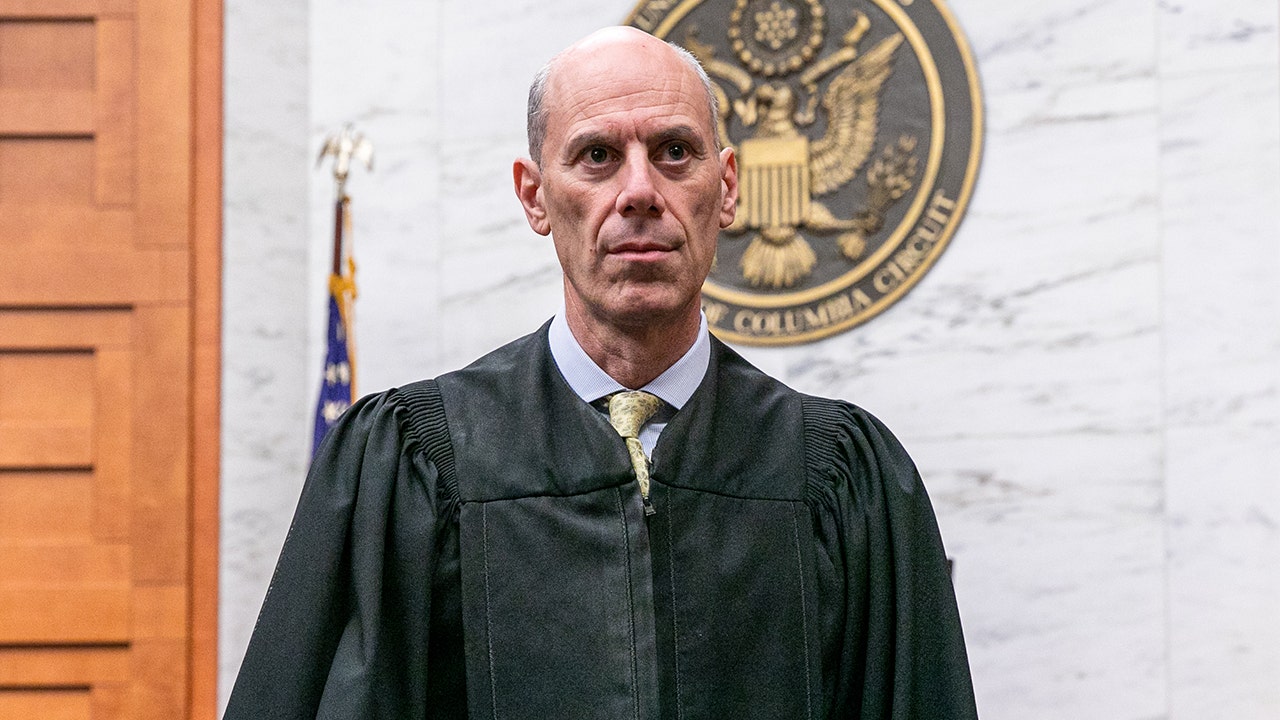
President Donald Trump posted on Truth Social accusing U.S. District Judge James Boasberg of partisan bias and called for Boasberg to be removed from cases involving him and his allies and to face disciplinary action. The attack followed a Boasberg ruling in which the judge granted the Federal Reserve Board's motion to quash subpoenas the government had issued for Fed Chair Jerome Powell, concluding the subpoenas appeared intended to harass or pressure Powell to yield to the President rather than issued for a proper prosecutorial purpose. The article quotes portions of the opinion that characterized the subpoenas as dominated by a purpose to pressure Powell and noted the government offered no evidence that Powell had committed a crime. Boasberg, who is chief judge for the District of Columbia, provided no immediate comment. The article also references broader tensions over the judiciary and mentions the White House interest in taking action against judges perceived as partisan.
Biblical Reflection
From a biblical perspective, this story raises two persistent convictions: the importance of impartial justice and the moral weight of speech by leaders. Scripture repeatedly demands fair and unbiased adjudication (e.g., Leviticus 19:15). If a judge has acted from partisan motives, Christians should welcome lawful, orderly accountability. At the same time, the Bible calls believers — and especially those in positions of influence — to temper their speech with truth, humility and respect (Ephesians 4:29; Proverbs 15:1). Public leaders who use harsh, demeaning language to attack judges risk eroding trust in institutions God has allowed to restrain injustice (Romans 13:1–4) and can inflame division rather than promote repentance or reform. The faithful response is twofold: insist on justice and impartiality through appropriate legal channels while rejecting slander, prayerlessly amplifying suspicion, or seeking extrajudicial retaliation. Christians are called to pray for those in authority (1 Timothy 2:1–2), pursue truth, and work for institutions that honor justice and the common good. In practice that means supporting transparent review where warranted, advocating for ethical conduct on all sides, and refusing to celebrate rhetoric that dehumanizes opponents or undermines the rule of law.
Scripture in context
This outlook does not yet include contextual Scripture citations. Do not treat a general biblical theme as an exegetical conclusion.
Faithful Response
No prescribed response is offered. Consider the reflection prompts below in your own church context.
Reflection and Discussion
- 1When I hear leaders attack judges or institutions, how does my response reflect Christlike priorities of truth, justice, and humility?
- 2Am I quick to believe and spread accusations about people in public office, or do I seek verified facts and lawful processes before forming judgment?
- 3How can I pray and act to support fair and impartial institutions while also holding leaders accountable in a peaceful, lawful way?
Sources
Reporting links are evidence inputs; Sanctuary News' biblical reflection is commentary.
This outlook currently relies on fewer than two linked sources. Broaden verification before teaching from it.
- 1.Original reportprimary