News Summary
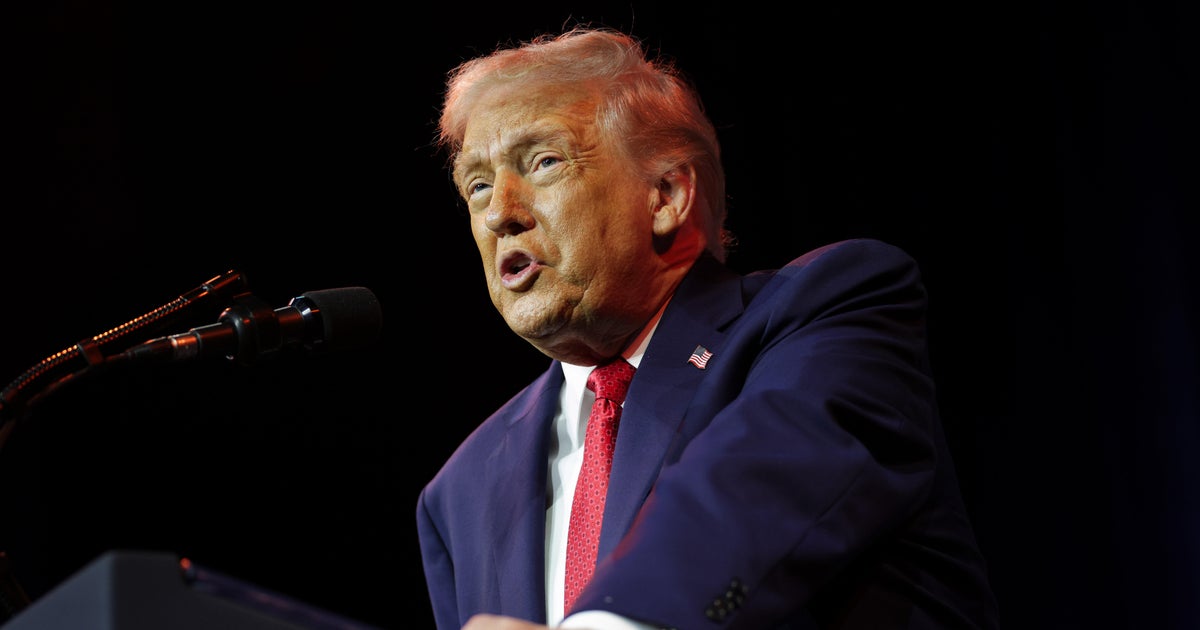
The article discusses former President Trump's justification for targeting Venezuelan President Nicolás Maduro, claiming Maduro is responsible for the flow of illicit drugs into the United States and, consequently, for the overdose deaths of many Americans. However, drug policy experts and analysts from both the U.S. government and independent think tanks challenge Trump's assertions. According to the Drug Enforcement Administration and experts like Jeffrey Singer of the Cato Institute and Vanda Felbab-Brown of the Brookings Institution, Venezuela has a limited role in U.S. drug trafficking. The majority of fentanyl—the drug most responsible for overdose deaths in the U.S.—is produced in Mexico and trafficked over land, mainly by U.S. citizens. Cocaine from Venezuela is primarily destined for Europe, not the U.S. The article also raises doubts about the strength of federal criminal charges against Maduro, suggesting it is not widely believed that he is a principal orchestrator of the drug trade.
Biblical Reflection
From a Christian perspective, this article raises important questions about truth, justice, and the use of power. Scripture continually calls leaders to speak truthfully and act justly (Proverbs 16:12; Zechariah 8:16). Accusing others without clear evidence can be a form of bearing false witness, which the Bible warns against (Exodus 20:16). While the fight against drug abuse and its tragic consequences is a worthy cause, misrepresenting facts for political gain undermines both justice and the pursuit of real solutions. Christians are called to seek truth, to avoid unjust accusations, and to advocate for policies that address root causes—such as addiction and brokenness—rather than scapegoating individuals or nations for complex issues. The pursuit of accountability must be based in integrity, humility, and a commitment to righteousness, not political expediency.
Scripture in context
This outlook does not yet include contextual Scripture citations. Do not treat a general biblical theme as an exegetical conclusion.
Faithful Response
No prescribed response is offered. Consider the reflection prompts below in your own church context.
Reflection and Discussion
- 1How can I discern truth in a world filled with conflicting claims and political motivations?
- 2In what ways am I called to promote justice and truth in my own community and conversations?
- 3How can I pray for and support those affected by addiction and overdose, seeking real solutions rather than blame?
Sources
Reporting links are evidence inputs; Sanctuary News' biblical reflection is commentary.
This outlook currently relies on fewer than two linked sources. Broaden verification before teaching from it.
- 1.Original reportprimary