News Summary
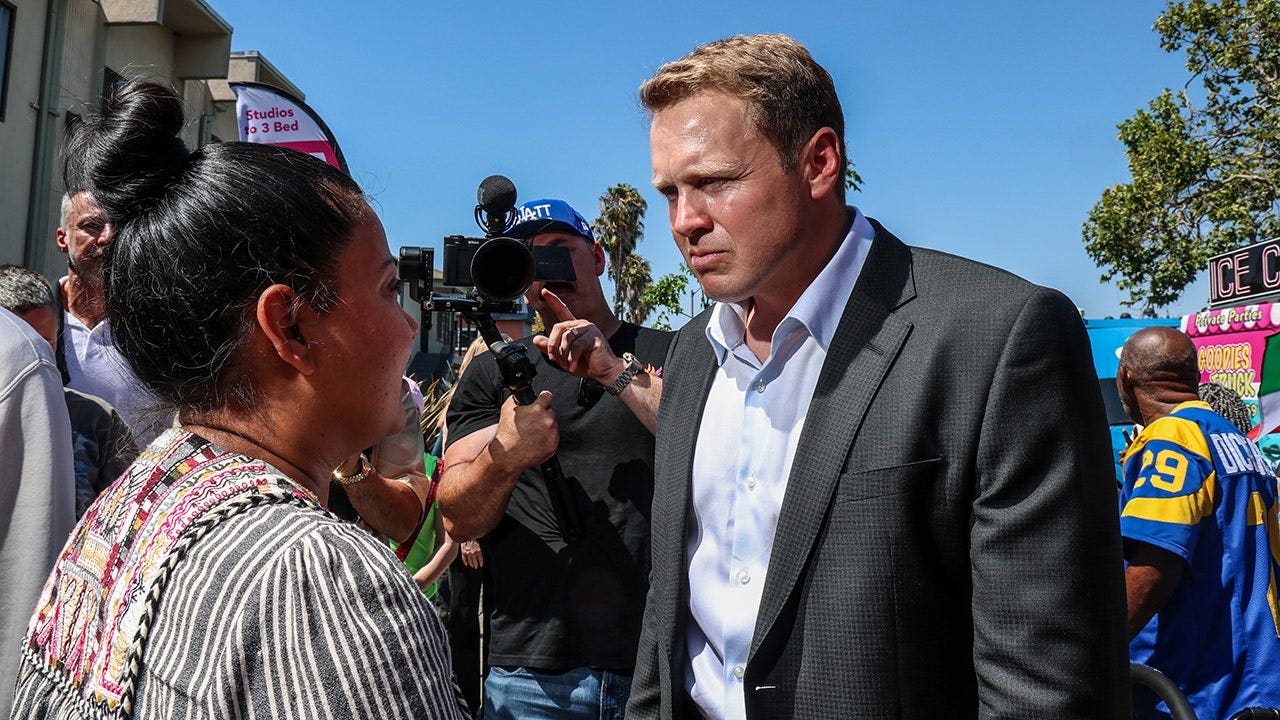
On June 2, 2026, primary elections were held in California, Iowa and several other states. In Los Angeles, Republican-turned-independent mayoral candidate Spencer Pratt — a former reality TV star who lost his home in last year's Los Angeles-area wildfires — has risen in recent polls and is challenging incumbent Mayor Karen Bass, who is seeking a second term. Pratt is backed by former President Donald Trump and has campaigned on populist themes emphasizing crime, homelessness, and government accountability; he criticized Los Angeles’ homelessness spending and described safety concerns for mothers and children in media appearances. California’s open primary also features a crowded gubernatorial field, including Democrats Xavier Becerra, Tom Steyer and others, and Republicans such as Steve Hilton and Chad Bianco. The article notes that Trump’s endorsements are shaping GOP primaries nationally, citing his backing of candidates in Iowa’s gubernatorial race and other contests. The piece summarizes primary-level contests in multiple states (Iowa, Montana, New Mexico, South Dakota, New Jersey and others), highlights key endorsements, and mentions political dynamics such as candidates entering or exiting races and the possible implications for November’s midterms.
Biblical Reflection
This article reports on fast-moving political contests and highlights the growing role of celebrity, social media influence, and high-profile endorsements in local and statewide races. From a Christian perspective, it’s important to separate theatrical appeal from substantive policy and to weigh claims against verified facts. The piece carries partisan framing and selection choices typical of political journalism—emphasizing Trump’s influence and Pratt’s rise—so readers should be cautious about accepting anecdote and rhetoric (for example, colorful quotes about safety and homelessness or cited program performance figures) without independent verification. Pastoral concerns surface clearly: homelessness, public safety, and care for families are moral issues that require both truthful reporting and compassionate policy. Christians should resist fear-driven or dehumanizing language, demand transparency and accountability from leaders, and advocate for solutions that balance justice, mercy and stewardship of public resources. At the same time, celebrity or viral popularity does not guarantee wise governance; prayerful discernment and fact-based evaluation of candidates’ proposals are needed.
Scripture in context
This outlook does not yet include contextual Scripture citations. Do not treat a general biblical theme as an exegetical conclusion.
Faithful Response
No prescribed response is offered. Consider the reflection prompts below in your own church context.
Reflection and Discussion
- 1How does celebrity status or viral messaging shape our perception of a candidate’s fitness to govern, and what evidence should we require beyond media attention?
- 2When reports describe program failure or corruption, are the underlying facts verified and contextualized so that reforms protect people, not only punish officials?
- 3Does the rhetoric used in this coverage humanize the homeless and vulnerable, or does it reduce them to political symbols—what difference should that make for Christian civic engagement?
Sources
Reporting links are evidence inputs; Sanctuary News' biblical reflection is commentary.
This outlook currently relies on fewer than two linked sources. Broaden verification before teaching from it.
- 1.Original reportprimary