News Summary
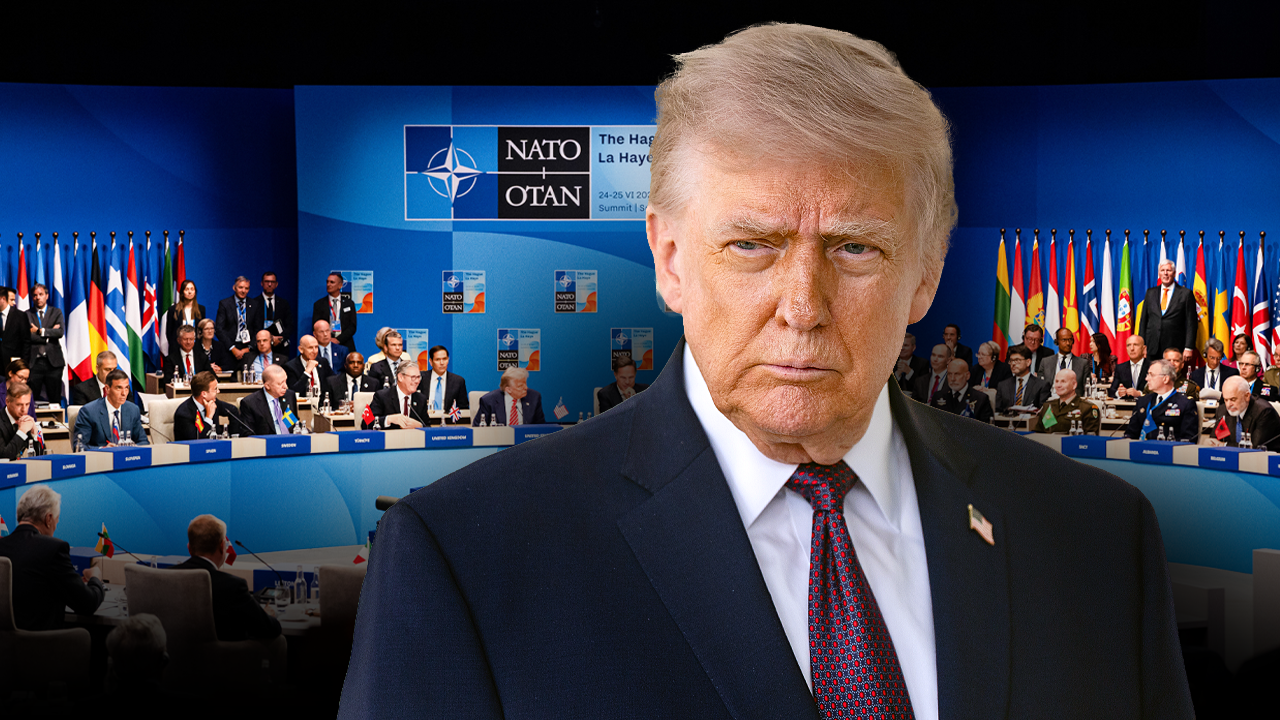
President Donald Trump arrived in Ankara for a NATO summit where officials expected discussions on defense spending, Ukraine, and long-term strategy toward Russia. Tensions ahead of the meeting stem from U.S.-led military operations against Iran (referred to in the article as Operation Epic Fury) and disagreements with several European allies over allowing U.S. forces to use their bases or airspace and public statements criticizing the strikes. U.S. Ambassador to NATO Matthew Whitaker said the president was “disappointed” in allies that denied base or overflight rights and criticized political statements made at the time of the operation. The article cites specific ally responses: Spain denied use of its territory and publicly condemned the campaign; the U.K. initially withheld but later allowed strikes after escalation; Italy limited its role to logistical support; and Germany limited its role to logistics. Several allies later agreed to maritime security operations in the Strait of Hormuz. The Trump administration is pressing NATO members to increase defense spending—reportedly to a 5% of GDP benchmark—and is promoting a concept described as “NATO 3.0,” emphasizing greater war‑fighting capabilities and more reciprocal benefits for contributors. Whitaker said the administration is considering measures to reward or penalize allies based on their contributions, including procurement priority and engagement. Analysts cited in the article expect the Iran-related rifts to shape private conversations at the summit and to add a transactional dynamic to longstanding debates over burden-sharing within the alliance.
Biblical Reflection
This article centers on strategic friction within a security alliance and a leadership style that emphasizes transactional reciprocity. From a Christian perspective, truth-seeking requires noting factual claims and the article’s framing: it highlights U.S. frustration and uses language that can amplify division (focus on disappointment, threats, and ‘‘if they don’t pay, I’m not going to defend them’’ rhetoric). The piece gives uneven voice to allied governments’ legal and political constraints; readers should notice that allies cited legal or domestic-political reasons for their decisions but the story foregrounds U.S. dissatisfaction. Biblically informed wisdom values both justice and peace—defending the innocent and pursuing reconciliation. The push for stronger deterrence and fair burden-sharing can be responsible stewardship of resources and protection of the vulnerable, but when pursued mainly through coercive threats or transactional calculus, it risks undermining trust, unity, and the patient work of diplomacy. Christians should be wary of narratives that reduce relationships between nations to purely mercenary calculations and should pray for leaders to exercise humility, prudence, and openness to nonmilitary solutions where possible. At the same time, acknowledging legitimate security concerns and the need to protect civilians is part of loving one’s neighbor; faithful discernment must balance firmness with a genuine desire for restoration and the avoidance of unnecessary escalation.
Scripture in context
This outlook does not yet include contextual Scripture citations. Do not treat a general biblical theme as an exegetical conclusion.
Faithful Response
No prescribed response is offered. Consider the reflection prompts below in your own church context.
Reflection and Discussion
- 1Does the article frame NATO relationships primarily as transactional obligations, and how does that affect our view of international cooperation?
- 2Are the security concerns presented in a way that balances legitimate defense needs with the moral imperative to seek peaceful, proportional responses?
- 3What voices or perspectives are missing from this coverage that would help Christians better understand the human and legal reasons allies acted as they did?
Sources
Reporting links are evidence inputs; Sanctuary News' biblical reflection is commentary.
This outlook currently relies on fewer than two linked sources. Broaden verification before teaching from it.
- 1.Original reportprimary