News Summary
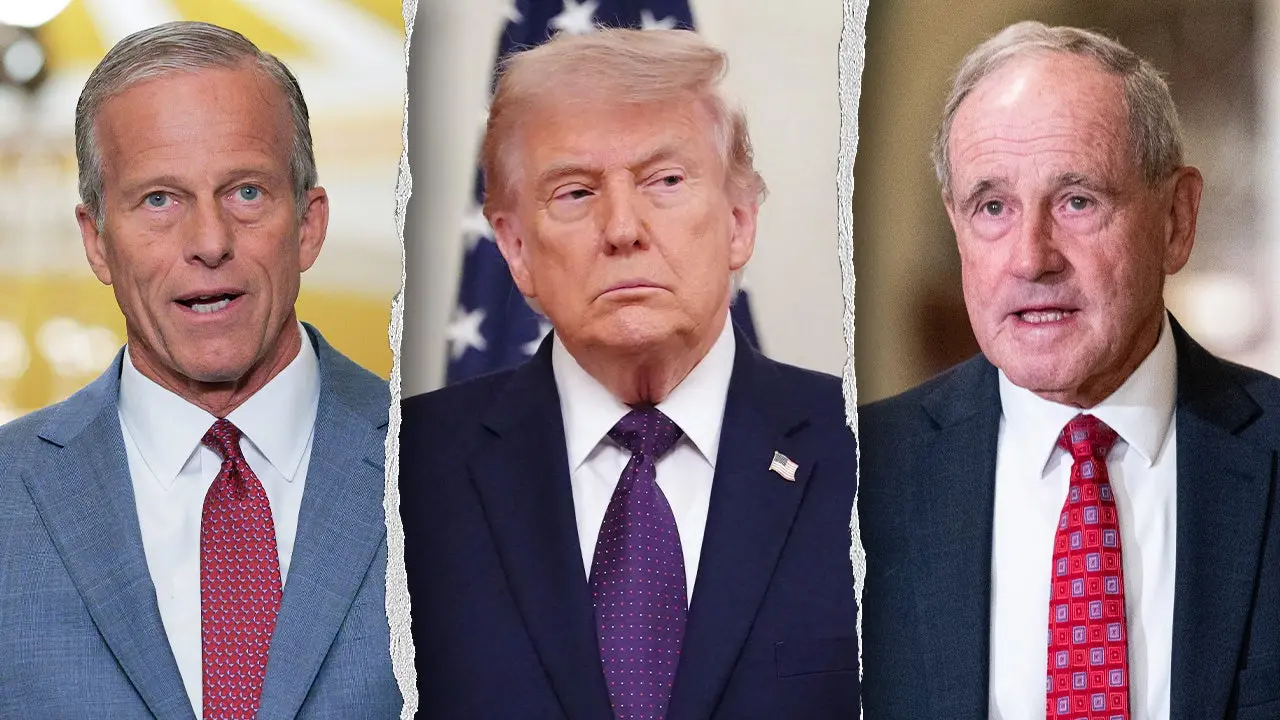
President Donald Trump announced that an agreement with Iran has been signed and suggested a signing ceremony would occur in Switzerland; however, most members of Congress said they have not seen the text or been fully briefed. Republican senators including John Thune and James Lankford said they lacked details and demanded a congressional vote to make any final agreement permanent. Vice President JD Vance conducted media interviews outlining a rough timeline and said there would be about 60 days for further negotiations toward a permanent settlement; Vance also confirmed a $300 billion reconstruction fund would be available to Iran if it complied with the agreement’s terms. Some senators expressed skepticism about Iran’s trustworthiness and concerns about transparency; Senate Foreign Relations Chair James Risch said he had been read in but declined to comment on details. Senate Minority Leader Chuck Schumer and former President Barack Obama voiced caution or doubt about whether the deal would differ from the 2015 JCPOA. A White House official said the administration will be transparent with Capitol Hill, but many lawmakers insisted they need to review the agreement text and considered a formal vote necessary to ensure permanence.
Biblical Reflection
This story raises core concerns about truth, accountability, and the moral weight of peace agreements. On one hand, a negotiated end to a war and steps to limit a nuclear program could spare lives and advance neighbor-love; on the other hand, secrecy and rushed public claims undermine trust and the legitimate role of representative institutions. Christian wisdom calls us to pursue peace (when it is just and verifiable) while insisting on healthy oversight: truth-telling and transparency protect the vulnerable and prevent abuse of power. The article reflects a tension between executive initiative and legislative oversight and shows how partisan frames and past experiences (such as the 2015 deal) shape public skepticism. Readers should note the repeated emphasis on political posturing and lack of direct documentary evidence; the most prudent posture is cautious hope paired with insistence on verifiable terms, independent oversight, and care for long-term justice and stability in the region.
Scripture in context
This outlook does not yet include contextual Scripture citations. Do not treat a general biblical theme as an exegetical conclusion.
Faithful Response
No prescribed response is offered. Consider the reflection prompts below in your own church context.
Reflection and Discussion
- 1Does secrecy around a high-stakes agreement strengthen peace or weaken public trust and accountability?
- 2How should we weigh immediate promises of ending violence against past patterns of broken commitments?
- 3Are calls for a congressional vote motivated primarily by concern for durable peace and oversight, or by partisan advantage — and how does that affect our judgment?
Sources
Reporting links are evidence inputs; Sanctuary News' biblical reflection is commentary.
This outlook currently relies on fewer than two linked sources. Broaden verification before teaching from it.
- 1.Original reportprimary