News Summary
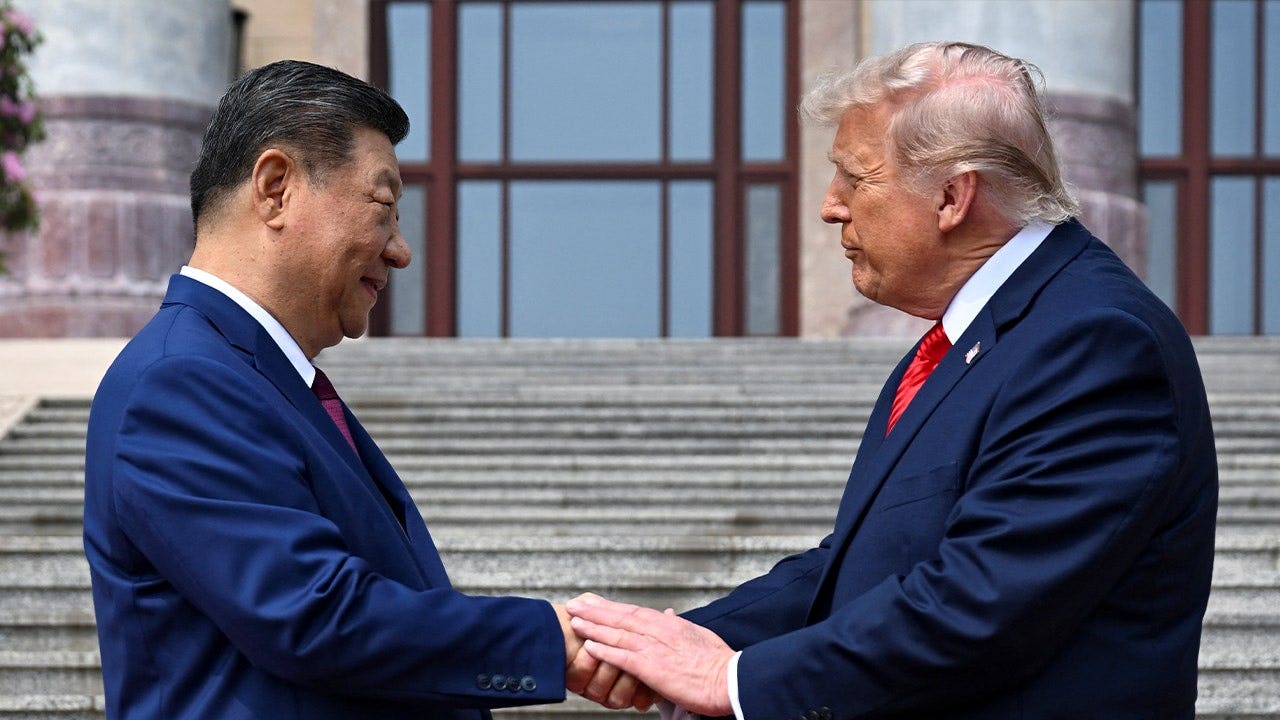
President Donald Trump met with Chinese President Xi Jinping in Beijing on May 14, 2026. In opening remarks both presidents emphasized cooperation and a positive bilateral relationship; Trump predicted a “fantastic future together” and praised Xi personally. The visit included a U.S. delegation of major corporate executives (including leaders from Apple, BlackRock, Blackstone, Boeing, Tesla/SpaceX, Goldman Sachs and Qualcomm). Topics reported to be on the agenda included trade and investment deals, aerospace and agricultural purchases, proposals for a U.S.–China “Board of Trade” and “Board of Investment,” artificial intelligence oversight, Iran and other security matters, and the Taiwan situation. Administration officials said trade framework discussions could involve commerce at the “double-digit billion” level and possible purchase commitments from China. The article notes that Trump has maintained tariffs on Chinese goods from his first term and has criticized past U.S. policy on China’s integration into the global trading system. It reports that the warm tone and personal diplomacy are consistent with Trump’s negotiating approach, while noting that broader tensions between Washington and Beijing (trade, technology, and military competition) remain unresolved and concrete agreements were not yet confirmed.
Biblical Reflection
The meeting highlights two common diplomatic impulses: the pursuit of mutual economic advantage through negotiated deals, and the use of personal rapport between leaders as a means of managing rivalry. From a Christian perspective, cooperation that reduces conflict and fosters human flourishing can reflect stewardship of resources and a desire for peace (Romans 12:18). At the same time, the article’s framing — emphasizing warm rhetoric and big-name business attendance — risks narrowing the conversation to transactional gains without foregrounding moral and human-cost questions: the protection of vulnerable peoples (including in Hong Kong or Taiwan contexts), human-rights concerns, and the long-term consequences of deep economic interdependence. The piece also leans into a transactional, power-centered worldview: nations as actors to be negotiated with, markets as primary instruments for peace, and leadership judged by dealmaking and personal chemistry. Scripture calls Christians to hold three tensions together: pray for leaders and seek the public good (1 Timothy 2:1–2), pursue wise stewardship and justice (Micah 6:8), and practice sober discernment about power and its effects (Proverbs 16:18–19). Finally, readers should note probable media bias toward spectacle (celebrity CEOs, warm soundbites) and the uncertainty of whether talks will produce structural change; hope for improved relations should be balanced with vigilance for justice, security, and truthful reporting.
Scripture in context
This outlook does not yet include contextual Scripture citations. Do not treat a general biblical theme as an exegetical conclusion.
Faithful Response
No prescribed response is offered. Consider the reflection prompts below in your own church context.
Reflection and Discussion
- 1Whose interests are centered in the article’s framing — the political leaders and corporate actors, or ordinary people potentially affected by trade, security, and human-rights outcomes?
- 2Does an emphasis on personal rapport and dealmaking obscure longer-term moral and security questions that Christians are called to weigh (justice, human flourishing, and protection of the vulnerable)?
- 3How should Christians balance hope for peaceful cooperation between nations with sober discernment about power, economic dependence, and potential rights abuses?
Sources
Reporting links are evidence inputs; Sanctuary News' biblical reflection is commentary.
This outlook currently relies on fewer than two linked sources. Broaden verification before teaching from it.
- 1.Original reportprimary