News Summary
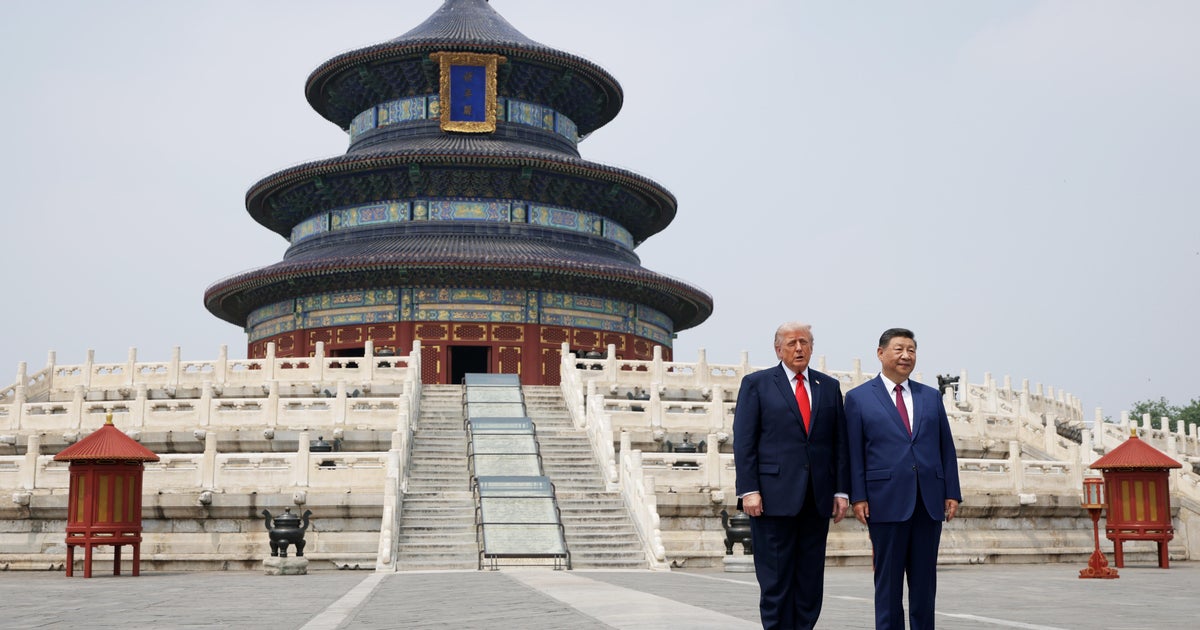
President Trump and Chinese President Xi Jinping met in Beijing on May 14, 2026. A White House readout and Trump comments to media said both leaders agreed the Strait of Hormuz "must remain open" to support energy flows, that China opposes militarization of the strait or charging a toll for passage, and that both agreed Iran should not acquire a nuclear weapon. Trump also said Xi offered to help broker a deal with Iran. Separately, U.S.-brokered direct talks between Israel and Lebanon resumed in Washington as a fragile ceasefire (in place since April 17) approaches its end; Hezbollah is not part of the talks. The Israeli military reported a Hezbollah drone exploded inside Israel, injuring civilians, and responded with strikes in southern Lebanon. U.S. Central Command said U.S. forces have redirected dozens of commercial vessels and disabled some to enforce a U.S. blockade on Iranian ports; CENTCOM said Iranian-backed groups are cut off from Iran's weapons support. Iran's foreign minister said the strait is open for commercial vessels provided they coordinate with Iran's navy and blamed the U.S. blockade for disruptions. Iran has reportedly allowed some Chinese ships to pass and state media said many vessels coordinated passage with Iran's Islamic Revolutionary Guard Corps (IRGC) naval forces. A UK maritime agency reported a ship was boarded off Fujairah and is headed toward Iranian waters; other vessels have been attacked in the area, including a South Korean-owned ship struck May 4. South Korea dispatched a technical team to investigate. U.S. and Chinese officials, plus other countries in the region, have expressed concern over attacks on commercial shipping and the broader security impacts on global energy markets. The article also notes a modest slowdown in U.S. retail spending in April, attributed in part to higher gas prices related to the conflict.
Biblical Reflection
From a Christian perspective, this article depicts high-stakes diplomacy, military enforcement, and commercial interests intersecting around a humanitarian and security crisis. The coverage centers official statements and military movements, which can underemphasize the human cost—civilians killed or displaced in Lebanon and Israel, seafarers endangered, and regional populations suffering economic pain from higher fuel costs. The article reflects a realist worldview: states prioritizing strategic, economic, and security interests (reopening oil routes, blockades, and deterrence) and seeking leverage through alliances. That framing is factually important but incomplete morally; Scripture calls believers to notice the vulnerable and pursue peace beyond national advantage (Matthew 5:9; Romans 12:18). Be alert to implicit biases: the piece largely relays U.S. and allied perspectives and official readouts, which may downplay or linguistically neutralize contested actions (e.g., "blockade" vs. "security enforcement," "disabled" vessels). It also stresses economic consequences—China's oil dependence and global markets—reminding Christians that material interests often shape policy. The biblical response is not naive pacifism but a sober insistence that power be exercised justly, that peacemaking and protection of innocents be primary goals, and that believers pray and advocate for solutions that prioritize human life and reconciliation over commercial or geopolitical advantage.
Scripture in context
This outlook does not yet include contextual Scripture citations. Do not treat a general biblical theme as an exegetical conclusion.
Faithful Response
No prescribed response is offered. Consider the reflection prompts below in your own church context.
Reflection and Discussion
- 1Whose voices are centered in this report (state leaders, military officials, commercial actors) and whose suffering or perspectives are minimized or absent?
- 2How might economic interests (especially control of energy routes) be shaping diplomatic language and military actions, and what ethical questions does that raise?
- 3Does the article treat peacebuilding as an end in itself or primarily as a means to restore trade and strategic balance; how should Christians evaluate that distinction?
Sources
Reporting links are evidence inputs; Sanctuary News' biblical reflection is commentary.
This outlook currently relies on fewer than two linked sources. Broaden verification before teaching from it.
- 1.Original reportprimary