News Summary
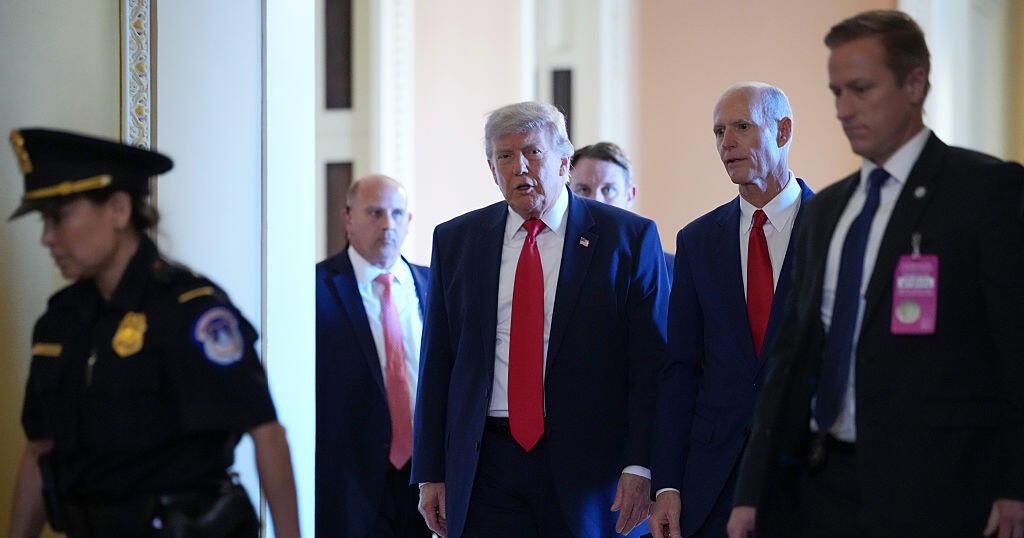
President Trump held a more-than-hourlong meeting with Senate Republicans at the Capitol focusing primarily on the Iran situation and the War Powers Resolution. During the meeting, sources say Trump expressed displeasure with Republican senators who supported a Democrat-led, symbolic concurrent resolution intended to limit further military action in Iran; four Senate Republicans voted for that resolution. At one point Trump and Sen. Bill Cassidy exchanged raised voices after Cassidy told the president he should sit down; Cassidy later told reporters he had lost his temper but insisted he was standing up for the American people. Alaska Sen. Lisa Murkowski arrived late and was the subject of the president's disdain, according to a source. Senators described the session as "lively" and "spirited." Shortly before the meeting, Trump abruptly canceled plans to sign a bipartisan housing bill, saying he would sign it only after Congress passed his priority SAVE America Act, and he suggested eliminating the Senate filibuster to secure its passage—an option GOP leaders have resisted and which would not guarantee passage given remaining Republican opposition. Senators reported Trump emphasized the need for Republican voter turnout and ended by urging passage of the SAVE America Act. Reporting cites anonymous sources familiar with the meeting and comments from participating senators.
Biblical Reflection
This report describes intra-party conflict and strategic bargaining rather than immediate policy change. The article relies on anonymous sources and senator statements, which is common in political reporting but calls for cautious reading: details about private tone and exchanges are secondhand. The coverage highlights themes of power, reputation, and leverage—Trump pressing party discipline by tying support for a housing bill to passage of his preferred voting legislation and urging elimination of the filibuster. From a Christian perspective, we can note how political life often tempts leaders toward coercion, public shaming, or transactional demands rather than patient persuasion and humility. The underlying worldview shown—prioritizing political advantage and turnout over consensus-building—can deepen polarization and erode trust in institutions. Christians should neither dismiss legitimate political disputes nor celebrate incivility; instead, we should seek truthful assessment, call leaders to accountability and humility, and pray for governance that serves the common good and protects vulnerable people. The story does not demonstrate a single moral failing but does expose the costs of partisan brinkmanship on unity, public trust, and the healthy functioning of representative institutions.
Scripture in context
This outlook does not yet include contextual Scripture citations. Do not treat a general biblical theme as an exegetical conclusion.
Faithful Response
No prescribed response is offered. Consider the reflection prompts below in your own church context.
Reflection and Discussion
- 1How does the framing of political disagreements as personal battles affect our ability to hold leaders accountable without amplifying division?
- 2What assumptions about power and loyalty are driving efforts to tie unrelated legislation together, and how do those assumptions align with serving the common good?
- 3When reporting relies on anonymous sources about tone and private exchanges, how should we weigh those accounts alongside public records and policy impacts?
Sources
Reporting links are evidence inputs; Sanctuary News' biblical reflection is commentary.
This outlook currently relies on fewer than two linked sources. Broaden verification before teaching from it.
- 1.Original reportprimary