News Summary
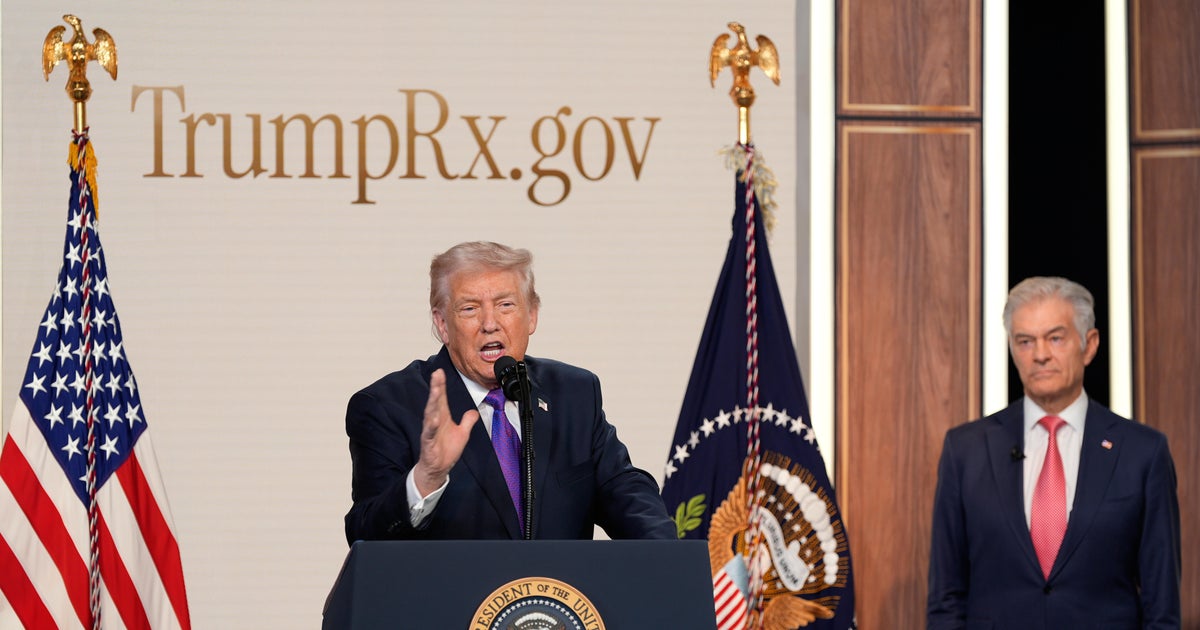
Since President Trump began his second term, the administration announced several initiatives intended to lower prescription drug costs, including White House meetings with drugmakers, letters to 17 manufacturers asking for voluntary price cuts, a Most-Favored-Nation (MFN) claim for Medicaid pricing, promises to speed biosimilar approvals, and the launch of a discount portal called TrumpRx. Some branded drugs were listed at sharply reduced cash prices on TrumpRx (many supplied via Pfizer’s participation and co-branded coupons on GoodRx), and select discounts were negotiated for fertility drugs and GLP-1 weight-loss drugs. Experts and data trackers note, however, that many list prices rose: a data project found roughly 1,000 branded drugs increased in price in January 2026 and that 2025 saw a record number of list-price hikes. Pfizer raised list prices on dozens of drugs in early 2026 even as it offered discounts on some products. Many TrumpRx discounts apply primarily to uninsured, cash-paying customers and often compete with much cheaper generics or biosimilars that already exist. Some discounts followed trade-offs (e.g., tariff relief or expedited reviews). Meanwhile, the administration continued a Medicare drug-price negotiation program begun under the prior administration; negotiated discounts on an initial set of high-cost drugs took effect Jan. 1 and are estimated to save Medicare billions and to have enabled a Part D out-of-pocket cap of $2,000. Additional rounds of negotiation are planned; industry lobbying has limited the reach of some measures and carved out exemptions for rare-disease drugs. Analysts in the article call many White House one-on-one agreements "opaque" and of limited systemic effect; structural hurdles such as patent strategies, rebate systems, and other legal mechanisms continue to slow generic/biosimilar competition.
Biblical Reflection
From a Christian perspective, this story presents a mix of potentially helpful action and limited, publicity-driven solutions. The administration’s stated goal—to reduce burdensome drug costs—is aligned with biblical concern for the poor and vulnerable. Concrete gains (Medicare negotiation discounts and some TrumpRx savings) are commendable because they relieve real need. However, the article documents that many price increases continued and that much of the administration’s approach is selective, opaque, and benefits mainly those who can navigate cash discounts. That pattern points to two realities Christians should notice: (1) Political gestures and headline deals can be sincere yet insufficient; they do not always correct deeper systemic injustices (patent manipulation, rebate structures, lobbying influence) that keep prices high. (2) The market framing that treats medicines primarily as consumer goods encourages individuals to shop for bargains rather than ensuring equitable access as a public good. Scripture calls believers to seek justice and mercy for those who lack resources (e.g., the widow, the sick, the poor). Therefore, Christians should applaud measures that tangibly expand access, remain wary of performative or partisan triumphalism, and advocate for durable reforms that protect the vulnerable rather than temporary publicity wins. Finally, exercise discernment: evaluate both the measurable impact of policies and the incentives behind corporate and political actions.
Scripture in context
This outlook does not yet include contextual Scripture citations. Do not treat a general biblical theme as an exegetical conclusion.
Faithful Response
No prescribed response is offered. Consider the reflection prompts below in your own church context.
Reflection and Discussion
- 1Which parts of the reported drug-price changes are structural (likely to produce sustained relief) and which are one-time or publicity-focused — and how should that shape my trust in political claims?
- 2Who benefits most from the discounts described (Medicare enrollees, uninsured cash payers, manufacturers), and are the most vulnerable populations being prioritized?
- 3Does the coverage emphasize market solutions or systemic reform, and what biblical values (justice, mercy, stewardship) should Christians press for in long-term drug-access policy?
Sources
Reporting links are evidence inputs; Sanctuary News' biblical reflection is commentary.
This outlook currently relies on fewer than two linked sources. Broaden verification before teaching from it.
- 1.Original reportprimary