News Summary
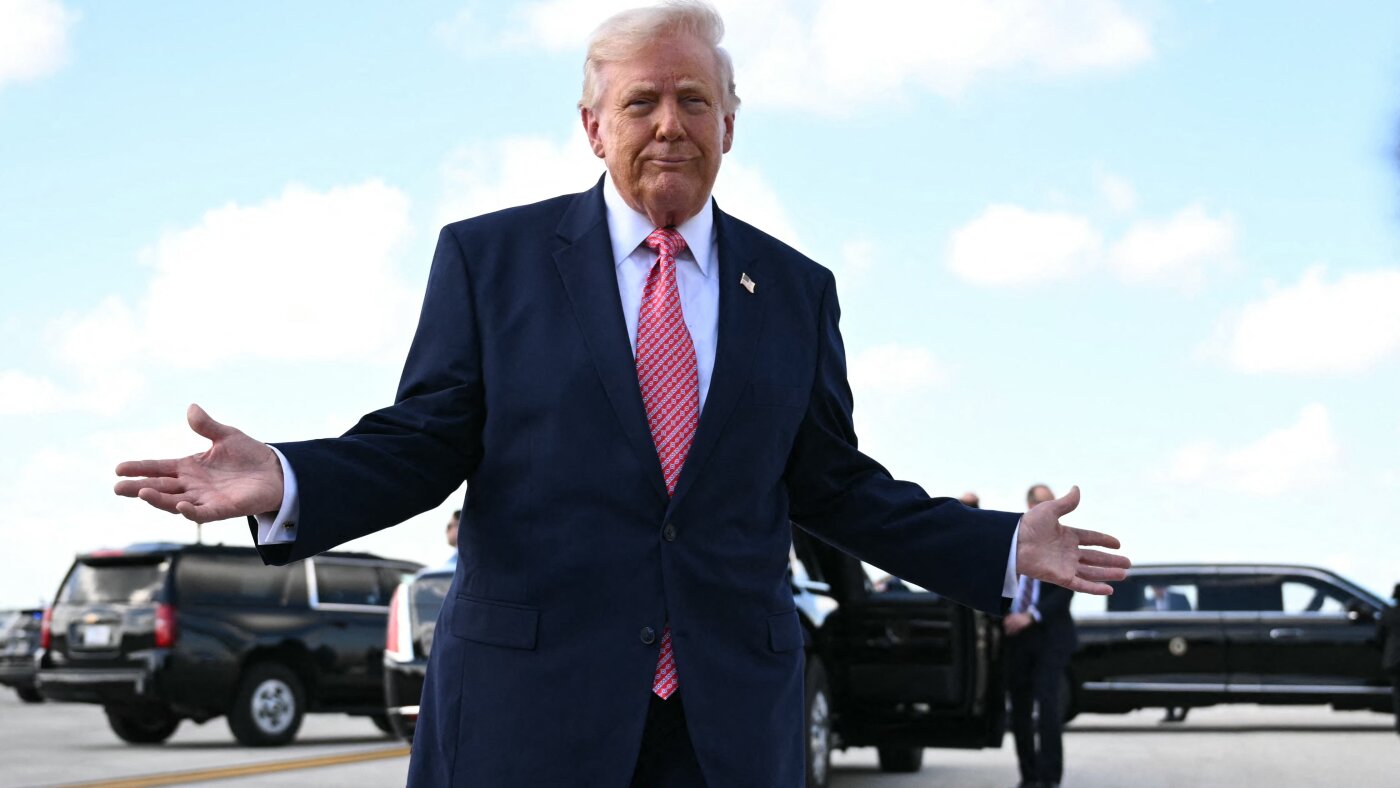
Facing little federal legislation on artificial intelligence, many U.S. state legislatures have passed or proposed numerous AI-related laws addressing child safety, transparency, and whistleblower protections. The Trump administration has urged Congress to adopt a single national AI framework to avoid a ‘‘patchwork’’ of state rules, and the White House released a brief regulatory framework it wants codified. Administration officials and advisors—including OSTP head Michael Kratsios and advisor David Sacks—argue that a single federal standard would provide certainty for innovators and avoid burdens on industry. In some cases the White House has objected to specific state bills; Utah Rep. Doug Fiefia says a one-line White House memo opposed his child-safety transparency bill. Republican state lawmakers in several states (Pennsylvania, Texas, Utah, Tennessee) report continuing to move forward with state-level protections, arguing states can act faster than Congress. Reactions to the White House framework are mixed: some welcome a national standard, while policy experts and some attorneys general say the framework lacks detail and may not sufficiently hold companies accountable. Past White House proposals—such as a previously pushed 10-year moratorium on state AI laws—drew criticism; that moratorium failed. Congressional movement is pending, with some Republican senators supporting the administration’s approach and proposing bills that expand on the framework.
Biblical Reflection
From a Christian perspective this story raises several spiritual and moral questions about power, stewardship, and protection of the vulnerable. The states’ efforts to regulate AI—particularly to protect children and require transparency—reflect biblical concerns for guarding the weak and seeking justice (e.g., caring for children and preventing harm). The administration’s push for a single national framework cites legitimate practical concerns (uniformity, certainty for businesses), but the report also surfaces possible conflicts of interest where political leaders are closely aligned with industry. Christians should weigh two competing biblical impulses: the wise stewardship and order that can come from coherent, well-crafted national rules, and the responsibility to protect those most vulnerable when centralized authorities move too slowly or appear captured by powerful interests. Media coverage here is largely factual but selective in framing; it highlights tension between innovation and regulation without fully mapping the policy trade-offs or the substance of proposed safeguards. Spiritually, the church is called to pray for discernment for lawmakers, to advocate for truth and accountability, and to resist idolizing technology or profit. Seek policies that balance innovation with accountability, protect children, and ensure transparency—values that align with biblical justice and stewardship.
Scripture in context
This outlook does not yet include contextual Scripture citations. Do not treat a general biblical theme as an exegetical conclusion.
Faithful Response
No prescribed response is offered. Consider the reflection prompts below in your own church context.
Reflection and Discussion
- 1Whose interests are most visible in this coverage—industry, federal authority, or local communities—and how does that shape the policy priorities being advanced?
- 2Does the push for a single national framework reflect a desire for wise order and stewardship, or does it risk concentrating power in ways that reduce accountability to those most vulnerable?
- 3What standards of truth, transparency, and care would a just AI policy require if guided by Christian convictions about protecting the weak and stewarding creation?
Sources
Reporting links are evidence inputs; Sanctuary News' biblical reflection is commentary.
This outlook currently relies on fewer than two linked sources. Broaden verification before teaching from it.
- 1.Original reportprimary