News Summary
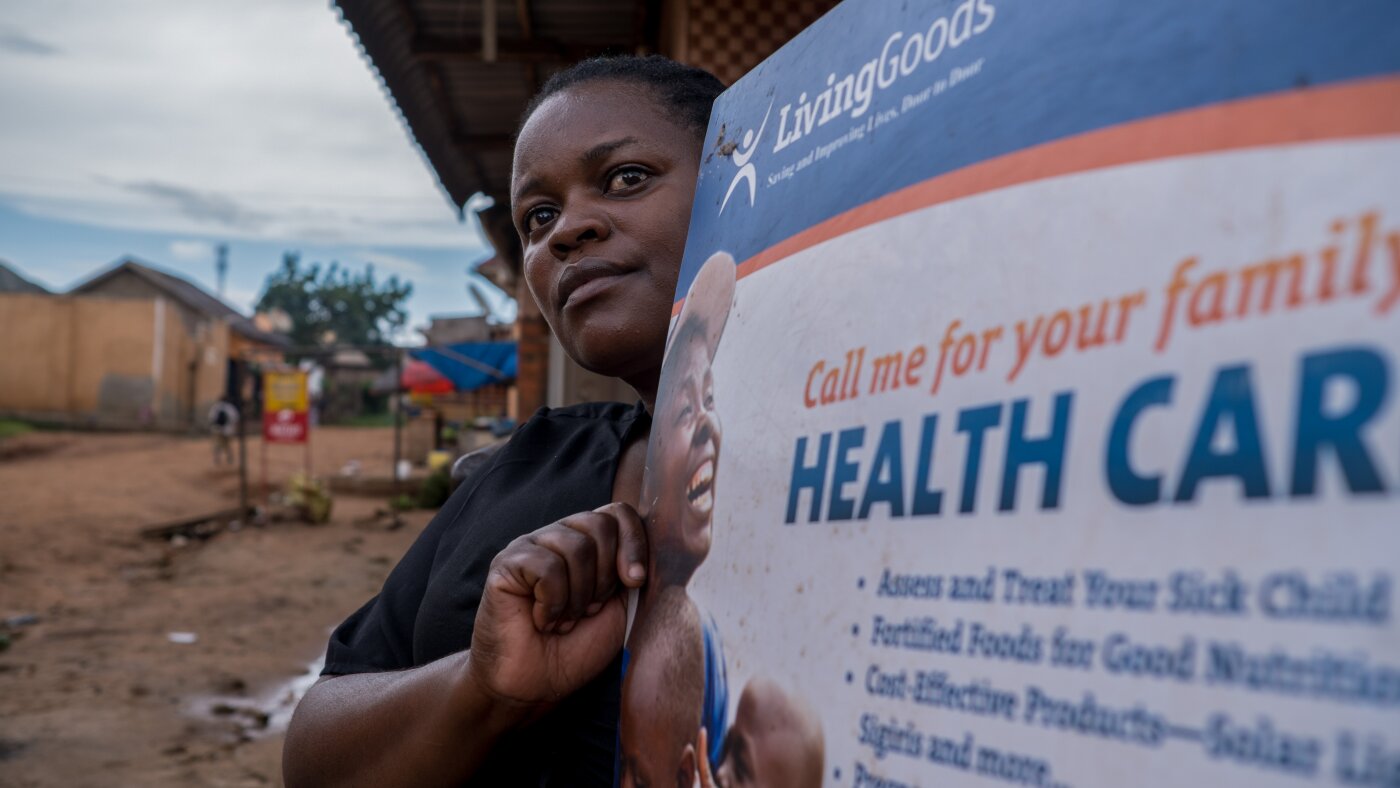
The Trump administration (second term) has halted or sharply reduced U.S. spending on international family planning and reproductive health programs despite Congress appropriating approximately $575 million for those purposes. Administration budget documents, memos, and public statements (including a May 2025 comment by Secretary of State Marco Rubio) indicate a policy decision not to fund contraception and related family-planning activities abroad. A waiver issued in January 2025 excluded family planning from continued humanitarian activities. Independent organizations (Guttmacher Institute, Women's Refugee Commission, Reproductive Health Supplies Coalition) report widespread cuts: nearly 95% of U.S. foreign aid for sexual and reproductive health was cut in 2025 according to one NGO, and large shortfalls in contraceptive supply and program support were projected for 2026. Reported consequences include clinic closures, layoffs of community health workers and nurse-midwives, shortages of pills and implants, and disruption of services in roughly 41 recipient countries, with particular impact in Nigeria, Ethiopia, Uganda, Tanzania and the DRC. NPR documents the experience of Prossy Muyingo, a Ugandan community health worker whose U.S.-funded stipend ended in September 2025, leading to loss of local contraceptive distribution and counseling. The administration argues the cuts reflect prioritizing programs that "make America safer" and avoid funding "abortion-related activities," while some analysts warn of longer-term humanitarian, health, and stability costs; others speculate limited, targeted sexual health initiatives tied to HIV/AIDS may continue. Data collection on impacts has also been disrupted, reducing visibility into outcomes.
Biblical Reflection
From a Christian perspective this story raises tensions between stewardship of national resources and the biblical call to care for vulnerable neighbors. The administration frames the policy as protecting American taxpayers and avoiding association with abortion-related activities; the practical effect, according to multiple health organizations and eyewitnesses, is reduced access to contraception, disrupted maternal and reproductive health services, and job losses for frontline caregivers. Scripture repeatedly emphasizes care for the vulnerable, protection of life, and pursuit of justice (e.g., caring for the poor, widows, foreigners). At the same time, prudence and accountability in public spending are legitimate concerns. Christians should note two important points: (1) policy framings often simplify complex cause-and-effect relationships—cutting contraception can increase unintended pregnancies and maternal risk, which may counter stated goals of protecting life and promoting stability; (2) political messaging can mask long-term consequences and moral trade-offs, especially when monitoring and data collection are curtailed. Practically, faithful engagement requires asking whether policies protect life and dignity overall (including maternal health), whether they honor commitments to international partners, and whether they reflect the long-term common good rather than short-term political gain. Christians should seek clarity of facts, advocate for care of the vulnerable, and hold leaders accountable in ways consistent with truth, compassion, and stewardship.
Scripture in context
This outlook does not yet include contextual Scripture citations. Do not treat a general biblical theme as an exegetical conclusion.
Faithful Response
No prescribed response is offered. Consider the reflection prompts below in your own church context.
Reflection and Discussion
- 1What assumptions about national interest and humanitarian aid underlie this policy, and whose lives are most affected by those assumptions?
- 2Does the available evidence show that cutting international family planning advances the stated goals (protecting life, promoting safety), or might it produce opposite long-term effects—more maternal harm and instability?
- 3How should Christians balance responsible stewardship of public funds with the biblical imperative to care for vulnerable people beyond our borders?
Sources
Reporting links are evidence inputs; Sanctuary News' biblical reflection is commentary.
This outlook currently relies on fewer than two linked sources. Broaden verification before teaching from it.
- 1.Original reportprimary