News Summary
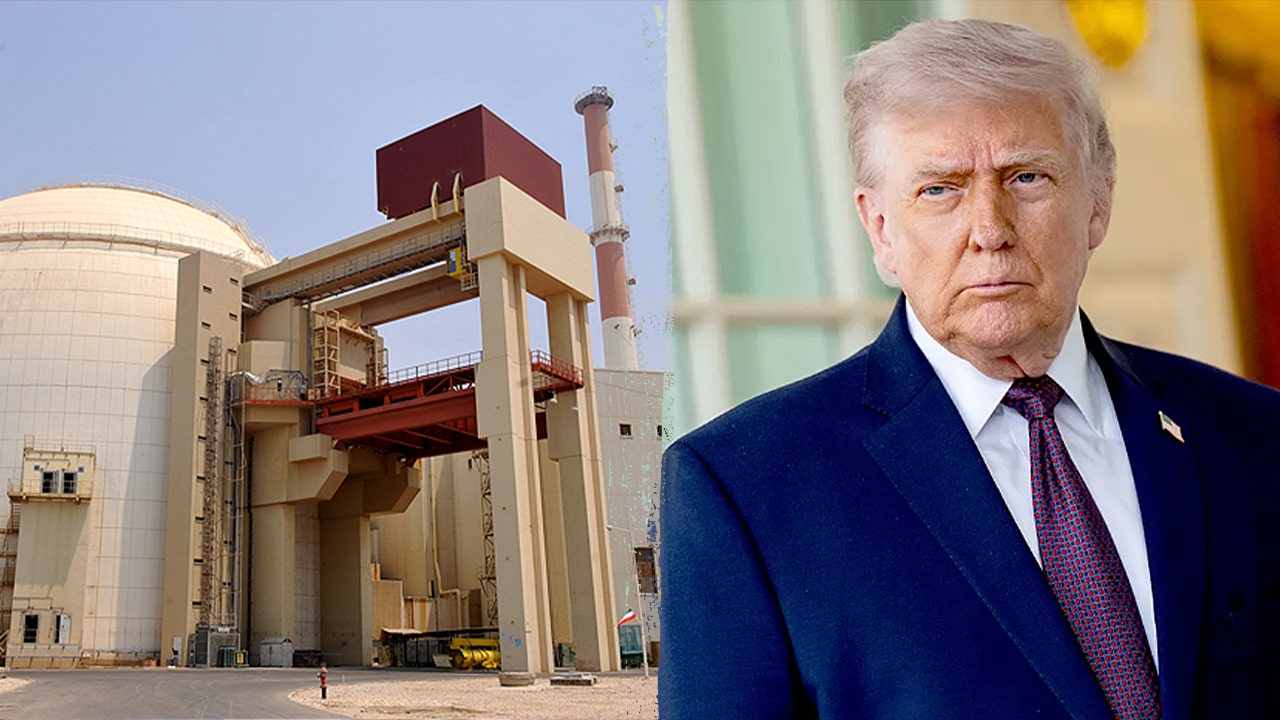
The Trump administration publicly outlined a memorandum of understanding (MOU) with Iran that begins a 60-day negotiation period toward a final agreement on Iran's nuclear program. The MOU would allow immediate waivers permitting Iranian crude oil exports and associated banking, insurance, transportation and services while negotiations proceed. It includes a framework for at least $300 billion in reconstruction and economic development contingent on a final deal and Iranian compliance, though officials said the U.S. is not committing government funds. The MOU defers decisions on Iran's enriched uranium stockpile and future enrichment to the final talks, with a minimum outcome described as down-blending under International Atomic Energy Agency supervision. It envisions eventual termination of U.N., primary U.S., and secondary sanctions only if Iran meets agreed conditions. During the 60-day period the U.S. will not impose new sanctions or deploy new troops; the agreement guarantees toll-free commercial transit through the Strait of Hormuz for that period and states U.S. forces will return to pre-Operation Epic Fury posture and be removed from Iran's proximity within 30 days after a final deal. Administration officials repeatedly expressed skepticism about Iran's intentions, said they expect deception, and defended the waivers as the only immediate benefit to Iran, arguing the steps would improve transparency of oil sales and ease global energy prices. Officials declined to release the full written text publicly and said the text was revealed later at Iran's request; negotiators plan to begin talks after a signing ceremony Friday. Israeli leaders were briefed but, according to an administration official, had not requested a copy of the agreement.
Biblical Reflection
This agreement attempts to balance a pursuit of reduced regional tension and economic incentives with strict conditionality and verification. From a Christian discernment perspective, the policy reflects competing goods: the desire for peace and relief from economic pressure on civilians versus the moral imperative to prevent proliferation and protect vulnerable neighbors. The administration's repeated statements of skepticism and conditionality show prudential awareness, but withholding the written text and granting immediate economic relief before verifiable commitments risks undermining trust and transparency—both important for justice and faithful stewardship. Christians should welcome efforts that reduce the chance of war and prioritize human welfare, while insisting on truthfulness, accountability, and protection for those at risk. The article's framing emphasizes administration claims of toughness and wins; readers should note the absence of the full text and independent verification, which limits ability to assess long-term safeguards and consequences.
Scripture in context
This outlook does not yet include contextual Scripture citations. Do not treat a general biblical theme as an exegetical conclusion.
Faithful Response
No prescribed response is offered. Consider the reflection prompts below in your own church context.
Reflection and Discussion
- 1Does granting immediate economic relief before verifiable safeguards prioritize short-term de-escalation over long-term security and justice for neighbors?
- 2How does the decision to withhold the full written text affect public trust and the ability of allies and citizens to evaluate the agreement?
- 3Are mechanisms for independent verification and enforcement sufficiently prioritized to hold a powerful state accountable if it breaks commitments?
Sources
Reporting links are evidence inputs; Sanctuary News' biblical reflection is commentary.
This outlook currently relies on fewer than two linked sources. Broaden verification before teaching from it.
- 1.Original reportprimary