News Summary
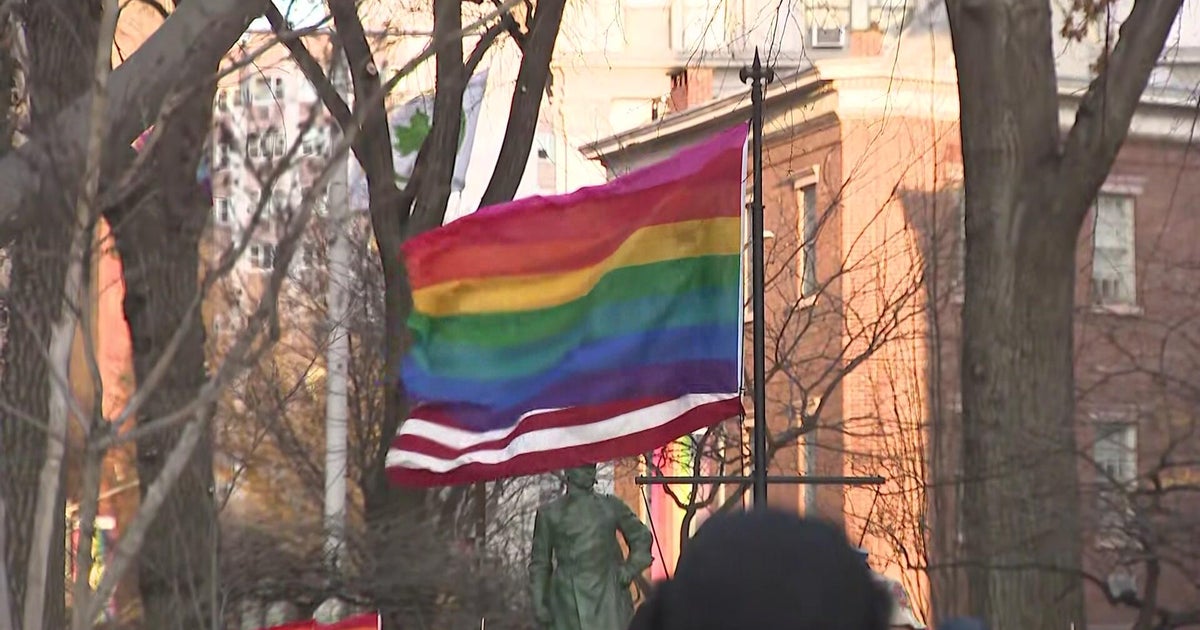
The Trump administration agreed to a settlement to officially restore the Pride flag at the Stonewall National Monument in Greenwich Village. The flag had been removed in February after the National Park Service said it followed Department of Interior guidance that non-agency flags could not be displayed on NPS-managed flagpoles. Several nonprofit groups sued Department of Interior Secretary Doug Burgum, the National Park Service and others; the settlement resolves that lawsuit. Under the agreement the Pride flag will be restored in an official capacity within seven days and will remain flying except for normal maintenance. The settlement states the flag’s status will not be subject to the political preferences of whoever holds office. The article notes that the flag had previously been re-raised informally by elected officials and local residents, and that federal actions earlier had included removing references to transgender and queer people from the monument following an executive order on federal definitions of sex. Public officials and advocates quoted in the article described the removal as an erasure of LGBTQ history; Senate Minority Leader Chuck Schumer has pushed for legislation to protect the flag from future removal.
Biblical Reflection
From a Christian perspective this story raises several interrelated concerns: the proper role of government in stewarding public memory, the dignity and remembrance owed to marginalized groups, and the temptation for political authorities to reshape or suppress history to reflect policy priorities. The article presents the restoration as a corrective to what advocates called erasure. Christians are called to seek truth (Ephesians 4:15) and to remember and learn from history, including the suffering and struggles of people on the margins. At the same time, Christians should be attentive to how symbols function: flags and monuments can both point to real human dignity and be used as political tools. The article leans toward the viewpoint that removal was an act of erasure and restoration is a moral victory; readers should notice that most quoted voices are advocates and officials opposed to the removal. The piece does not include voices arguing for a strictly neutral government display policy beyond citing the Department of Interior's rule, nor does it explore deeper legal arguments about flag protocols. Practically, Christians should affirm the biblical worth of every person and support honest, public remembrance of injustices, while also being wary of reducing faith to partisan symbols. Seek charity in public discourse, expect complexity in how governments balance neutrality and historical recognition, and hold both civic leaders and advocates accountable to truth and the common good.
Scripture in context
This outlook does not yet include contextual Scripture citations. Do not treat a general biblical theme as an exegetical conclusion.
Faithful Response
No prescribed response is offered. Consider the reflection prompts below in your own church context.
Reflection and Discussion
- 1What assumptions about government authority and neutrality underlie the decision to remove or to restore a symbol at a federal site, and which of those assumptions are visible or missing in the article?
- 2How should Christians weigh the importance of public symbols and historical commemoration against a principle of governmental neutrality? Which biblical priorities help decide when a symbol should be publicly honored?
- 3Who is given a voice in this reporting, and how might the story read differently if it included administration officials explaining the policy rationale in more detail?
Sources
Reporting links are evidence inputs; Sanctuary News' biblical reflection is commentary.
This outlook currently relies on fewer than two linked sources. Broaden verification before teaching from it.
- 1.Original reportprimary