News Summary
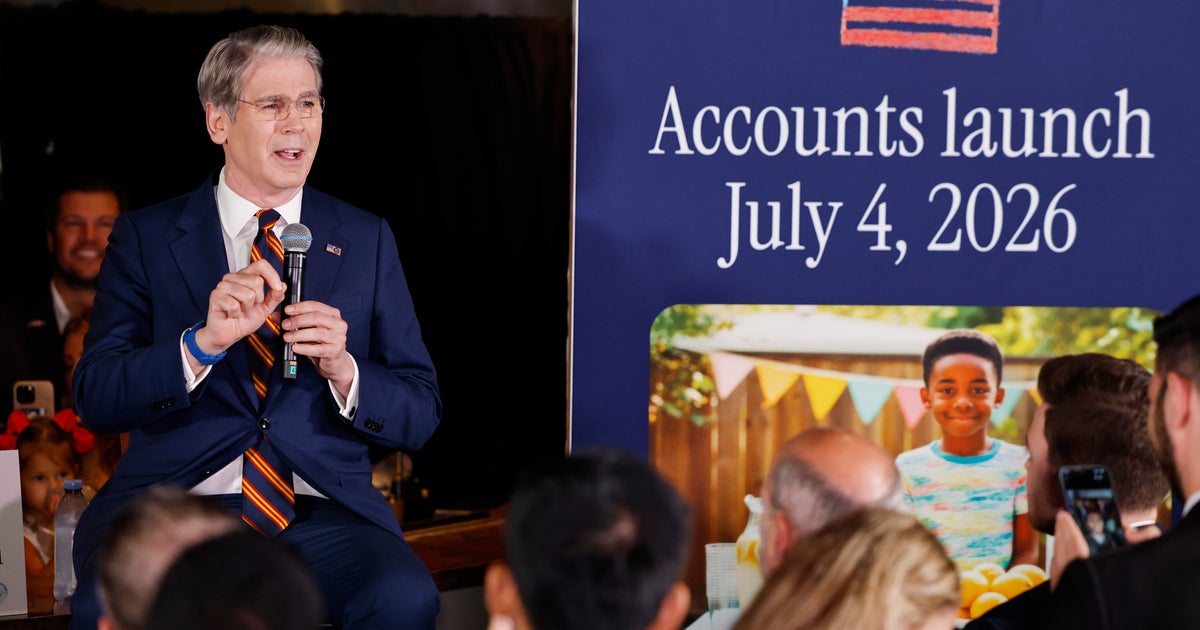
The Treasury Department will open deposits to "Trump Accounts" (530A accounts) on July 4. These tax-deferred investment accounts, created by the One Big Beautiful Bill Act, are for children under 18 and include a $1,000 Treasury Department seed contribution for eligible children born Jan. 1, 2025–Dec. 31, 2028; six million people have reportedly signed up so far. During the account's "growth period" (from opening until the beneficiary turns 18) contributions must be invested in mutual funds or exchange-traded funds that track broad indexes (the article notes funds with fees or expenses higher than 0.1%). After the growth period the account functions like a traditional IRA. Bank of New York Mellon and Robinhood will initially administer the accounts, with rollovers to other institutions allowed during the growth period. Individuals (parents, guardians, family members) may deposit up to $5,000 per child per year; employer contributions are capped at $2,500 and count toward the $5,000 limit. Some philanthropists and companies have pledged matching or supplemental contributions. Generally funds cannot be withdrawn before age 18 except in limited circumstances; after 18 beneficiaries may keep or withdraw funds for qualified expenses (education, home purchase, starting a business). Early withdrawals before age 59.5 for non-qualified reasons incur a 10% penalty. Individual contributions are not tax-deductible; tax benefits accrue to the beneficiary later. Parents are encouraged to compare Trump Accounts with other vehicles (529 plans, savings accounts); signup can be completed via the Trump Accounts app, trumpaccount.com, or IRS Form 4547 for eligible children with Social Security numbers.
Biblical Reflection
From a Christian pastoral perspective, the program expresses a value Christians can affirm: responsible stewardship and planning for future generations. Encouraging families to save and invest for children's futures aligns with caring for one's household and enabling opportunity. However, the program is also politicized by name and presentation, which can encourage partisan loyalties tied to financial benefits. The article is primarily explanatory and cites government and policy experts; it offers limited critical perspectives on distributional effects, market risk exposure for minors, or consumer-protection safeguards. Christians should note two ethical concerns: equity and vulnerability. Market-based accounts and voluntary donor matches will tend to favor families with greater access to banking, financial literacy, and employer benefits, risking widened gaps between children from wealthier and poorer households. The requirement that funds be invested in market-index funds during the growth period exposes children's savings to market risk; Scripture calls for prudent stewardship that balances risk with protection for those who are vulnerable. Practical questions about oversight, fee structures, the role of private firms (including a retail brokerage) in administering youth accounts, and long-term accountability for promised matches or seed deposits deserve scrutiny. Spiritually, Christians are called to be wise stewards without placing ultimate trust in markets or political figures; they should advocate for safeguards, transparent reporting, and financial-education supports so the program truly serves neighbors across socioeconomic lines.
Scripture in context
This outlook does not yet include contextual Scripture citations. Do not treat a general biblical theme as an exegetical conclusion.
Faithful Response
No prescribed response is offered. Consider the reflection prompts below in your own church context.
Reflection and Discussion
- 1Does naming a federal savings program after a political leader change how citizens view public goods, and could that shift trust away from shared civic institutions?
- 2Who is most likely to benefit from a market-based child savings program and who might be left behind—what does that reveal about justice and neighbor-love in policy design?
- 3Are sufficient consumer protections, fee transparency, and financial-education supports in place to guard children’s savings from undue risk or exploitation?
Sources
Reporting links are evidence inputs; Sanctuary News' biblical reflection is commentary.
This outlook currently relies on fewer than two linked sources. Broaden verification before teaching from it.
- 1.Original reportprimary