News Summary
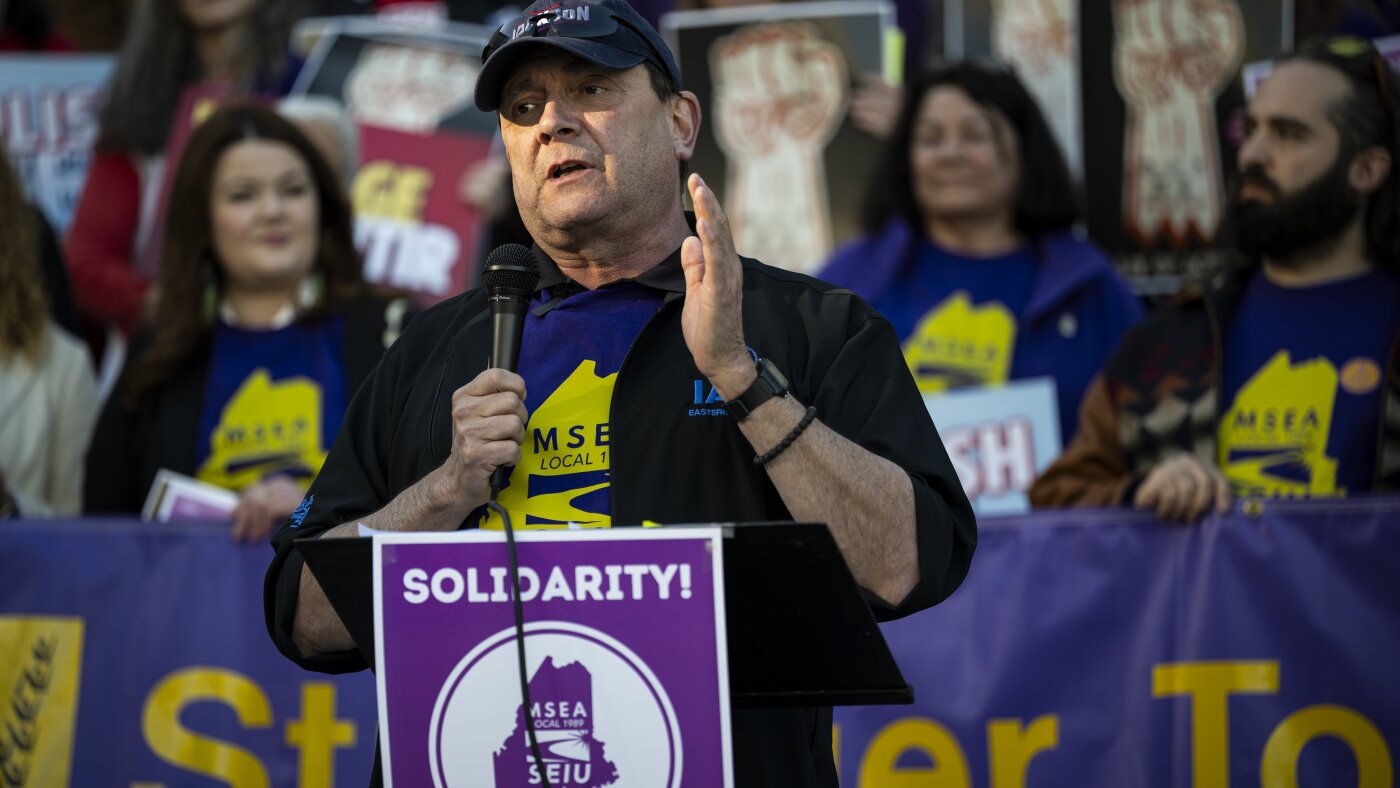
Graham Platner, the Democratic nominee for U.S. Senate in Maine, has been accused by a former girlfriend of sexually assaulting her in 2021; Platner denies the allegation, calling it false. Following the allegation, the Maine Democratic Party and several prominent politicians urged Platner to withdraw from the race. Former Maine Senate President Troy Jackson has filed paperwork to potentially replace Platner on the ballot and said he expects Platner to step down, calling it would be “incredibly self‑serving” if he did not. Jackson—who has two decades of legislative experience, support from the group Our Revolution, and a policy alignment with Platner on issues like Medicare for All and workers’ rights—said a transition to his candidacy would be straightforward. Jackson also expressed doubt that Platner could beat incumbent Republican Sen. Susan Collins.
Biblical Reflection
This story sits at the intersection of criminal allegation, party ethics, and electoral consequence. Christians should seek both truth and compassion: the accusation requires a serious, fair response that respects the alleged survivor and the need for due process. The rapid withdrawal of institutional support reflects a political calculation about trust and electability as well as a moral stance; it also opens space for others—like Troy Jackson—whose motives may mix genuine public service with partisan opportunity. Be alert to partisan bias and the way scandal-focused coverage can reduce complex human and legal realities to immediate political advantage. Christians can commend a desire for integrity in public life while resisting rushes to vilify or to weaponize accusation for electoral gain. Ultimately the community should pray for justice, clarity, healing for any harmed parties, and leaders who lead with humility and accountability.
Scripture in context
This outlook does not yet include contextual Scripture citations. Do not treat a general biblical theme as an exegetical conclusion.
Faithful Response
No prescribed response is offered. Consider the reflection prompts below in your own church context.
Reflection and Discussion
- 1How do we weigh the need to believe and support alleged survivors with the obligation to uphold fair legal process in public life?
- 2Are calls for a candidate to withdraw motivated primarily by moral conviction, political expediency, or a mix of both—and how does that affect our trust?
- 3When scandal reshapes a race, whose voices are amplified and whose are silenced, and what does that reveal about power in our political system?
Sources
Reporting links are evidence inputs; Sanctuary News' biblical reflection is commentary.
This outlook currently relies on fewer than two linked sources. Broaden verification before teaching from it.
- 1.Original reportprimary