News Summary
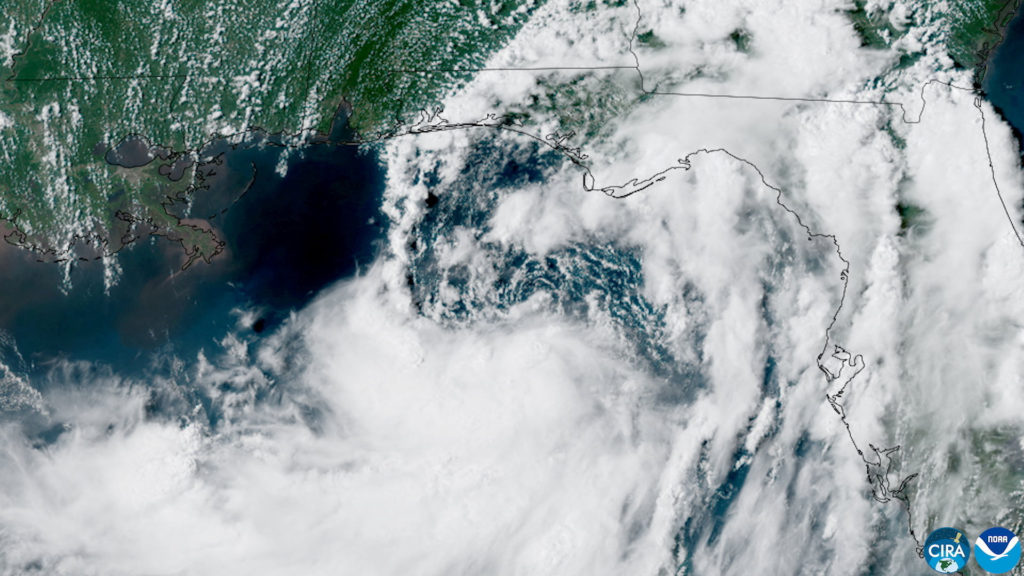
Reported facts: Tropical Storm Bertha is identified as the second tropical storm of the 2026 Atlantic hurricane season and is forecast to bring heavy rain and flooding to the U.S. Gulf Coast; Tropical Storm Arthur last month produced heavy rainfall in the southeastern U.S. Attributed claims: the article attributes the forecast of heavy rain and flooding to unnamed meteorological projections (no specific agencies or model runs are cited in the supplied text). Uncertainty: the piece lacks specific timing, rainfall amounts, storm track, and citations of official meteorological sources, so the exact scope and timing of impacts remain uncertain.
Source and Framing Analysis
The supplied article is concise and framed as straightforward weather reporting, but it omits technical or source attribution (e.g., National Hurricane Center, local National Weather Service offices, or forecast data). That absence limits the reader’s ability to judge forecast confidence or to take location-specific action. The brief comparison to a recent storm (Arthur) gives seasonal context but could unintentionally lead readers to assume similar impacts without supporting data.
Biblical Reflection
The report is brief and primarily informational: it alerts readers that a named tropical storm (Bertha) is likely to cause heavy rain and flooding in a specific U.S. region and places that fact inside the season’s context by noting a prior storm (Arthur) produced heavy rain. The article’s limited detail means readers should seek official meteorological updates for concrete guidance (e.g., local National Weather Service, National Hurricane Center, state and local emergency management).
From a Christian perspective, weather warnings call us to practice practical stewardship and neighbor-love: prepare responsibly, check on those most vulnerable, and support public safety efforts. Reporting like this, when factual and sober, can help communities protect life and property; Christians should neither panic nor ignore such warnings but act with prudence and compassion.
Because the piece is short and lacks technical data, readers must also exercise discernment about certainty: forecasts can change quickly, and the moral work for believers is to combine trust in God with concrete, caring action toward neighbors at risk.
Scripture in context
- 1Matthew 25:35-40 — In a teaching about the final judgment, Jesus commends actions of mercy shown to those in need—feeding, welcoming, clothing, and visiting the sick/prisoners—as if done to him; the passage emphasizes practical care for vulnerable neighbors as central to faithful living. — Communities facing storms should mobilize practical care—checking on the elderly, sharing resources, and offering shelter or transportation—as integral to Christian discipleship rather than optional charity.
- 2Psalm 46:1-3 — A psalm calling God a refuge and strength in times of trouble; while acknowledging danger and upheaval (earthquakes, floods), it points believers to trust in God’s presence and protection. — In the anxiety that accompanies severe weather, this reminder can ground believers in calm trust that motivates measured action—prayer coupled with preparation and service.
Faithful Response
Monitor official sources (NHC, local National Weather Service, state and local emergency management) and follow local evacuation or safety instructions.
Assemble or update an emergency kit, including prescriptions, documents, and supplies, and ensure transportation plans for neighbors without cars.
Contact elderly or isolated neighbors to confirm they have plans and offer practical help (evacuation rides, temporary lodging, supplies).
Organize or contribute to local church relief funds and volunteer teams that can assist after flooding.
Pray for those in harm’s way and for wisdom for leaders issuing warnings and coordinating response.
Reflection and Discussion
- 1Who in your neighborhood or congregation will be most at risk from floodwaters, and how can you help them prepare?
- 2How does trusting God shape, not replace, our practical choices about emergency preparation and response?
- 3What systems of care (church, community groups, local government) can we strengthen now to help neighbors if flooding occurs?
Sources
Reporting links are evidence inputs; Sanctuary News' biblical reflection is commentary.
This outlook currently relies on fewer than two linked sources. Broaden verification before teaching from it.
- 1.Tropical Storm Bertha forecast to bring heavy rain, flooding along the Gulf Coastprimary_reporting