News Summary
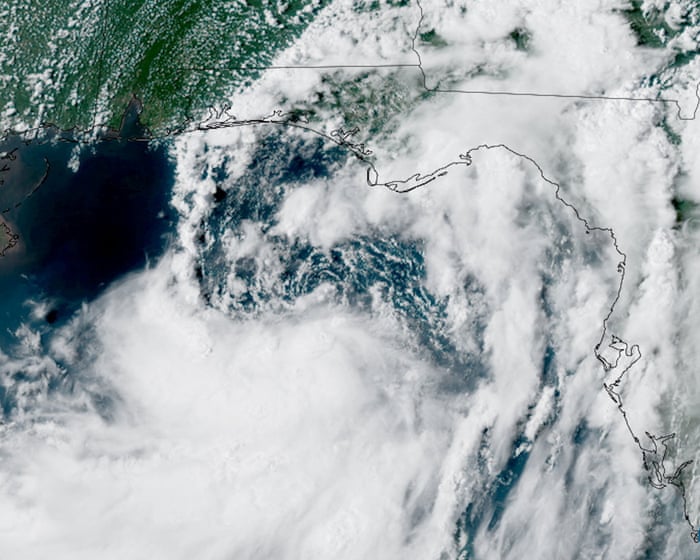
Reported facts: The Guardian article (citing the National Hurricane Center) states Tropical Storm Bertha was in the Gulf of Mexico, located about 110 miles south of Panama City, Florida, and 170 miles southeast of Mobile, Alabama, with maximum sustained winds near 50 mph and moving northwest at about 5 mph; tropical storm warnings and storm surge watches covered parts of the Gulf Coast from Florida to Louisiana. Forecasters warned of heavy rain, flooding risk, storm surge, and possible tornadoes. Attributed claims: the weather risks (flooding, tornadoes, surge) are reported as forecaster warnings. Uncertainties: the article does not provide a detailed landfall forecast, projected rainfall totals, timing of peak impacts, local evacuation orders, or verification of on-the-ground impacts.
Source and Framing Analysis
Material uncertainties that affect the story include the storm’s future track and intensity (which can change), the lack of local emergency details (evacuation orders, shelter openings), and absence of impact projections (rainfall amounts, surge heights). The Guardian report primarily summarizes an NHC briefing; that is appropriate for early-stage coverage but leaves out local response and human-impact details that determine the actual severity for communities.
Biblical Reflection
The article reports basic, time-sensitive meteorological facts from the National Hurricane Center and highlights immediate hazards: wind, surge, heavy rain, flooding, and tornado potential. As a piece of situational reporting it is straightforward in what forecasters warn might happen, but it does not provide detailed local preparedness steps, evacuation orders, or information on populations most at risk.
Seen through a Christian pastoral lens, this event calls for sober awareness and compassionate action. Storms expose human vulnerability and the particular risks faced by the elderly, poor, and those with limited mobility. The biblical emphasis on caring for neighbors and protecting the vulnerable invites Christians to combine prayer with practical support — checking on isolated neighbors, supporting shelters and relief agencies, and advocating for fair distribution of emergency resources. At the same time, Christians should resist panic and sensationalism; faithful response is marked by calm stewardship, truthful reporting, mercy, and readiness to serve.
Scripture in context
- 1Matthew 8:23–27 (Jesus calming the storm) — A narrative in which Jesus and his disciples are crossing a lake when a violent storm arises; the disciples fear but Jesus rebukes the wind and waves, revealing his authority over natural forces and addressing human anxiety. — This passage speaks to the reality of fear in dangerous circumstances and invites trust amid peril while also honoring Christ’s presence in crises; it does not dismiss prudence or practical preparation, but it undergirds pastoral care that combines calm faith with active compassion.
- 2Psalm 46 — A communal song affirming God as refuge and strength in times of trouble, historically used to comfort people facing national or local calamity. — The psalm encourages reliance on God as protector while motivating communities to find refuge and mutual support—prompting believers to organize relief, offer hospitality, and speak hope in the face of disaster.
Faithful Response
Follow official forecasts and local emergency instructions; use reliable sources such as the National Hurricane Center and local emergency management.
Check on neighbors who are elderly, disabled, or low-income; offer practical help or contact authorities if someone cannot evacuate.
Support trusted relief organizations or local shelters with funds, supplies, or volunteering through established channels.
Pray for those in the storm’s path and for responders, and avoid amplifying unverified or sensational information.
Reflection and Discussion
- 1How do we balance trust in God’s providence with the practical responsibility to prepare and protect vulnerable neighbors?
- 2In what ways might social and economic inequalities increase harm from this storm, and how should that shape our concern and advocacy?
- 3What signs of God’s compassion and human solidarity are we watching for amid the emergency, and how can we recognize them without seeking credit?
Sources
Reporting links are evidence inputs; Sanctuary News' biblical reflection is commentary.
This outlook currently relies on fewer than two linked sources. Broaden verification before teaching from it.
Download source notes