News Summary
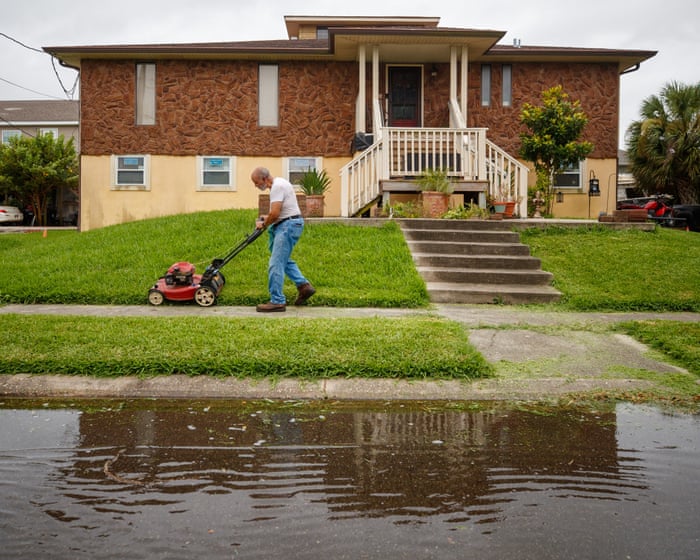
Facts: Tropical Storm Bertha made landfall in Louisiana Wednesday afternoon and was moving west toward the Texas coast; the NHC said the storm center was expected near or along the Louisiana and upper Texas coasts before moving inland over Texas on Thursday evening; forecasters warned of coastal flooding, heavy rain, rising water levels, and dangerous surf. Attributed claims: the Guardian article attributes the forecast and warnings to the U.S. National Hurricane Center. Uncertainties: the article does not provide specific wind speeds, central pressure, projected rainfall totals, storm surge heights, or details about local evacuations or damage.
Source and Framing Analysis
The article is concise reporting based on a single Guardian dispatch summarizing an NHC update. The framing is immediate and hazard-focused, which fits the subject. Material uncertainties that affect decision-making—wind speed, rainfall totals, storm surge guidance, and specific evacuation orders—are not supplied, limiting readers' ability to judge severity for particular locations. Because only one news summary (the Guardian) is supplied here, corroboration with the NHC advisory and local emergency management would strengthen situational awareness.
Biblical Reflection
This report is straightforward weather reporting: a named tropical storm made landfall in Louisiana and is forecast to move along the Gulf Coast toward Texas with attendant hazards. The article relays an official NHC forecast and highlights immediate risks—flooding, heavy rain, and dangerous surf—which are concrete, time-sensitive threats to coastal communities. It does not attempt to assign blame or speculate beyond the forecasted track and hazards.
From a Christian perspective, storms like Bertha call us to double attention to truth and neighbor-love: truth in heeding accurate warnings and making sober preparations, and neighbor-love in offering practical help and shelter to those most vulnerable. The piece is a prompt to both individual preparedness and communal compassion. We should resist sensationalism that inflames fear while also refusing complacency that minimizes real danger.
The article leaves out broader context that matters to pastoral and civic care—specific evacuation orders, expected rainfall totals, storm-surge projections, and which communities are most at risk. Christians should ask for clarity where needed, use trustworthy official sources for action (NHC, local emergency management), and be ready to translate concern into concrete assistance for neighbors and the least able to respond.
Scripture in context
- 1Psalm 46 — An Old Testament psalm expressing trust in God as refuge and strength during upheaval and natural disturbances, traditionally used to comfort communities in danger. — Use this passage as a reminder that trust in God does not negate prudent action; it grounds calm, steady care for those in danger and encourages prayers for protection and relief.
- 2Luke 10:25-37 (The Good Samaritan) — A New Testament parable addressing who is our neighbor and how love should be enacted through practical mercy toward those in immediate need. — This story challenges Christians to respond to people harmed by disaster with concrete assistance—shelter, resources, and accompaniment—regardless of prior differences.
Faithful Response
Monitor official sources (NHC, local emergency management) and follow evacuation or safety orders promptly.
Assemble or update an emergency kit (food, water, medication, flashlights, chargers) and help neighbors—especially older adults, people with disabilities, and those without transport—to prepare.
Offer practical support (temporary shelter, donations to vetted relief organizations, volunteer time) and avoid amplifying unverified reports.
Pray for safety, clear information for authorities, and for agencies and volunteers responding to needs.
Reflection and Discussion
- 1How does our faith inform both our personal preparedness and our willingness to bear one another's burdens in a regional storm?
- 2What systems (church, neighborhood groups, local agencies) can we strengthen now so vulnerable people are not left without help when hazards arrive?
- 3Are we attentive to official, actionable information rather than social-media speculation when making decisions about safety and aid?
Sources
Reporting links are evidence inputs; Sanctuary News' biblical reflection is commentary.
This outlook currently relies on fewer than two linked sources. Broaden verification before teaching from it.
- 1.Tropical Storm Bertha heads for Texas after Louisiana landfallprimary_reporting