News Summary
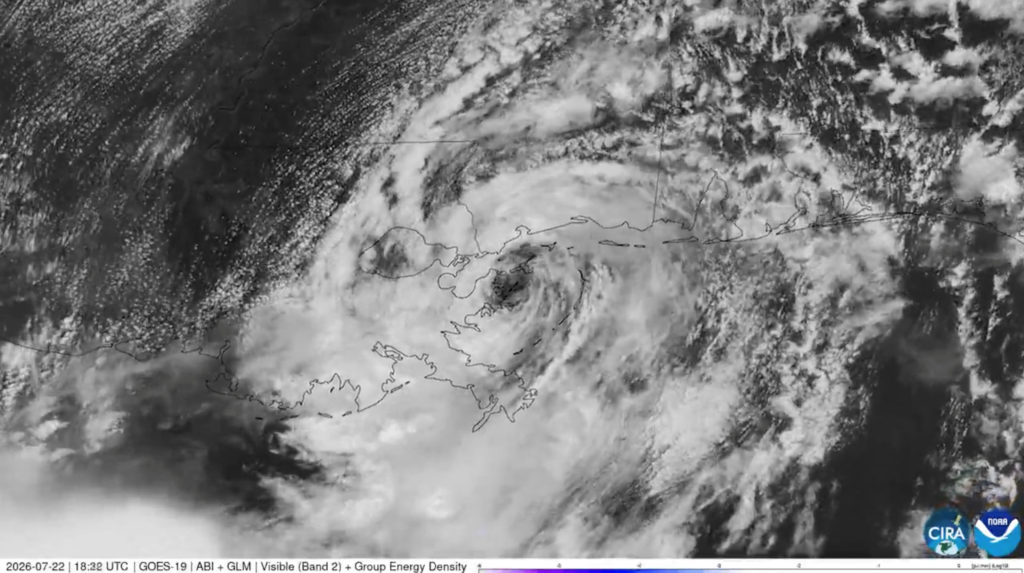
Reported facts: Tropical Storm Bertha made landfall in southern Louisiana on Wednesday, July 22, 2026; the storm produced strong winds far from its center; beaches from the Florida Panhandle to Mississippi were closed. Attributions: these items are reported directly by the PBS NewsHour article. Uncertainties: the article does not provide numerical wind speeds, storm surge or rainfall data, casualty or damage reports, evacuation orders, or forecasts of ongoing impacts.
Source and Framing Analysis
The original article is concise and factual but limited in technical and impact detail. Its framing highlights wind impacts away from the storm’s center and regional beach closures, which accurately flags risk to coastal recreation and near-shore communities. Material uncertainties that affect interpretation include lack of measured wind data, absence of reported damages or casualties, and no citation of official forecasts or emergency management statements—each of which would change how urgent or severe the situation appears.
Biblical Reflection
This report presents a straightforward weather event: a tropical storm making landfall with winds reaching beyond the storm’s core and localized precautions such as beach closures. The piece is short on operational detail (wind speeds, surge, rainfall, specific communities affected) so readers should treat it as an initial alert rather than a full impact assessment.
From a Christian perspective, news of storms calls us to both prayerful dependence and practical neighbor-love. The immediate moral response is mercy: check on the vulnerable, support emergency responders, and avoid exploiting anxiety or spreading unverified claims. The article’s factual framing—limited but clear—encourages calm vigilance rather than alarmism.
Scripturally-shaped wisdom asks Christians to be humble before forces beyond our control and courageous in serving those harmed. The church’s voice in such moments should center truth (sharing accurate information), mercy (caring for victims), and peace (comforting the fearful), remembering that faithful presence and clear-headed aid witness to Christ in crisis.
Scripture in context
- 1Luke 10:25-37 (Good Samaritan) — A teaching story Jesus uses to define 'neighbor' and to show compassion acting across social boundaries in response to immediate need. — When storms threaten, Christians are called to recognize neighbors in practical need—regardless of background—and to provide care that crosses convenience and prejudice.
- 2Psalm 46 — A poetic affirmation of God as refuge and strength for communities facing natural upheaval and fear. — Psalmic language encourages Christians to seek God’s comfort in danger while also responding with practical care and calm leadership during storms.
Faithful Response
Verify and share only confirmed safety information from local authorities (evacuation orders, shelter locations, official warnings).
Check on elderly, disabled, and isolated neighbors and offer help with evacuation, supplies, or transport if needed.
Prepare or donate to trusted local relief efforts (shelters, food banks, disaster response organizations) and avoid duplicative or speculative aid appeals.
Pray for those in the storm’s path and for first responders, balancing prayer with timely, concrete assistance.
Reflection and Discussion
- 1Where do we see an opportunity for our congregation to embody the Good Samaritan in this weather event?
- 2How should Scripture shape our balance of prayerful dependence and practical preparation when storms threaten?
- 3In what ways might fear or sensational language prevent the church from offering calm, effective help to vulnerable neighbors?
Sources
Reporting links are evidence inputs; Sanctuary News' biblical reflection is commentary.
This outlook currently relies on fewer than two linked sources. Broaden verification before teaching from it.
- 1.Tropical Storm Bertha makes landfall on southern Louisiana with threatening windsprimary_reporting