News Summary
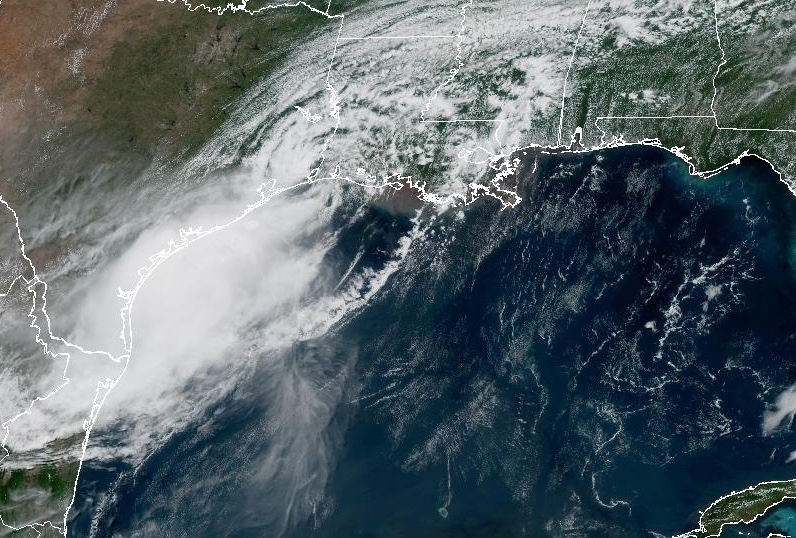
Reported facts: The PBS NewsHour article states that Tropical Storm Bertha’s center came ashore on the Gulf Coast on Thursday afternoon and that the National Hurricane Center expects the storm to weaken rapidly over land. Attributed claim: the forecast of rapid weakening is explicitly attributed to the National Hurricane Center. Uncertainty/omissions: the report does not provide the precise landfall location, storm intensity (wind speeds, pressure), rainfall amounts, surge, damage reports, evacuations, or casualty information.
Source and Framing Analysis
The piece is a short situational update citing the National Hurricane Center. The brevity means material uncertainties remain—most importantly the exact landfall location, intensity metrics, and on-the-ground impacts. The framing is neutral and non-sensational, but readers should be aware that additional, local reporting or direct NHC products are needed for emergency decisions.
Biblical Reflection
This report is a brief, factual update about a weather event; it communicates the timing of landfall and the NHC’s forecast for rapid weakening. The coverage is limited in detail (no storm surge, wind speed, rainfall, or damage information), so readers should treat it as an initial situational notice rather than a full impact assessment. As Christians we are called to care for neighbors in times of disaster: practical compassion (checking on the vulnerable, offering shelter, coordinating with local relief) and truthful communication (sharing verified guidance from emergency authorities) are appropriate responses. At the same time, we should avoid panic or sensationalism—trust responsible public agencies and use calm stewardship of resources and attention to help those most affected.
Scripture in context
- 1Matthew 25:31-46 — In this teaching Jesus describes a final accounting where care for people in need—feeding, clothing, visiting the sick and imprisoned—is treated as service to him. Historically it calls the community to recognize neighborly care as central to faithful life. — Disasters call Christians to practical neighbor-love: attending to basic needs, welcoming and sheltering those in distress, and treating such service as central to discipleship rather than optional charity.
- 2Psalm 46 — A communal song affirming that God is a refuge and strength in times of trouble and natural upheaval. It has been used historically to comfort communities facing danger or disaster. — This passage supports prayerful dependence on God in crises while encouraging calm action—seeking shelter, helping neighbors, and trusting God amid disruption.
Faithful Response
Check on neighbors especially the elderly, disabled, and those with young children; offer concrete help (transport, shelter, supplies) where safe.
Follow and share official guidance from the National Hurricane Center, local emergency management, and shelters—avoid spreading unverified details.
Support local relief efforts (donations, volunteering) once immediate safety needs are identified and vetted.
Reflection and Discussion
- 1Who in the path of this storm is most vulnerable, and how can our Christian community reasonably check on or assist them?
- 2What details are missing from this short report that matter for discerning real human need (locations, damage, shelter requirements)?
- 3Are we sharing verified safety instructions and resources, or amplifying incomplete reports that may cause confusion?
Sources
Reporting links are evidence inputs; Sanctuary News' biblical reflection is commentary.
This outlook currently relies on fewer than two linked sources. Broaden verification before teaching from it.
- 1.Tropical Storm Bertha strikes Gulf Coast in second landfallprimary_reporting