News Summary
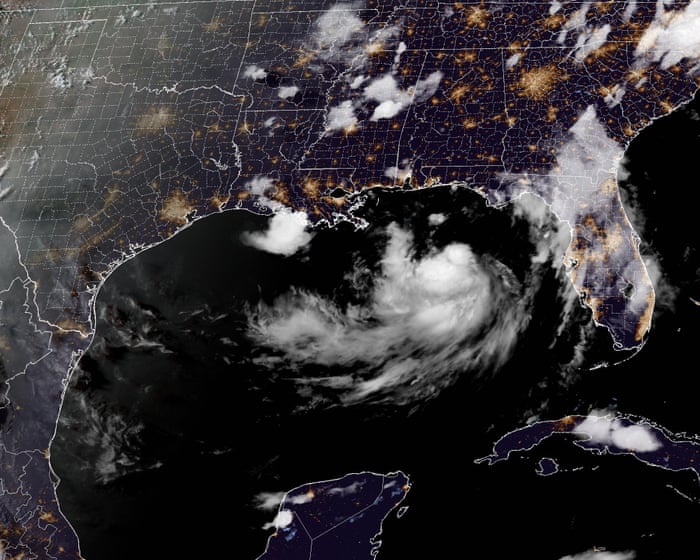
Facts reported: Tropical Storm Bertha formed in the Gulf of Mexico south of the Florida Panhandle and was centered about 110 miles south of Panama City, Florida; it was moving erratically toward populated coastal areas and posed threats of heavy rain, storm surge, and damaging wind gusts. Separately, Hurricane Fausto formed in the eastern Pacific and was reported as far from land with no immediate threat to Mexico’s Baja California peninsula. Attribution and uncertainty: the article reports meteorological conditions and threats as presented at the time of publication; forecast tracks and intensity can change, so specific local impacts and warnings may evolve.
Source and Framing Analysis
The article is a short situational weather dispatch summarizing storm formation and immediate threats. Material uncertainties that affect the story include forecast track and intensity changes (which determine actual local impacts) and the absence of direct National Hurricane Center advisories or local emergency declarations in the text. The piece does not include long-term context (seasonal trends, local vulnerability), so readers should consult official NHC forecasts and local emergency management for specific guidance.
Biblical Reflection
The report presents immediate weather facts that should prompt practical care for neighbors in affected areas. Scripture repeatedly calls God’s people to love and protect neighbors, especially the vulnerable; in situations of storms and flooding that means supporting preparedness, warning others, and aiding recovery. The coverage emphasizes physical risks (rain, surge, wind); Christians should respond with both prayer and tangible help, using their networks to ensure the elderly, low-income households, and those with mobility challenges have information and means to shelter or evacuate.
At the same time, the article’s tone is straightforward and limited in scope — it provides a snapshot of evolving meteorological events rather than sweeping social analysis. Biblical wisdom calls for sober-mindedness in the face of uncertainty: trust official forecasts, avoid turning fear into panic, and prioritize neighborly acts of mercy. Finally, remember that storms expose deeper needs (housing security, emergency services, community resilience); Christian concern should move from immediate relief to advocating for systems that reduce harm to the most vulnerable.
Scripture in context
- 1Matthew 25:35–40 — In Jesus’ teaching about the final judgment, he identifies himself with those who are hungry, thirsty, strangers, sick, or imprisoned; the passage is part of an eschatological discourse about compassion and practical care for those in need. — This passage calls Christians to recognize and respond to suffering in concrete ways—providing shelter, food, information, and aid to those harmed or endangered by storms is a faithful expression of the care Jesus commends.
Faithful Response
Monitor official forecasts (NHC, local emergency management) and share accurate, timely warnings with neighbors who lack access to weather alerts.
Prepare practical emergency kits and check on elderly or disabled neighbors; offer transportation or a safe place if evacuation is needed.
Support or volunteer with local shelters and disaster-relief organizations, and give to trusted relief funds for recovery work after the storm.
Reflection and Discussion
- 1When I hear about an approaching storm, how do Scripture and the example of Christ shape my priority between personal safety and neighbor care?
- 2What practical steps could my church take now to be ready to shelter or assist people who may lose power or housing?
- 3How might frequent weather emergencies influence the church’s long-term commitments to community resilience and advocacy for vulnerable populations?
Sources
Reporting links are evidence inputs; Sanctuary News' biblical reflection is commentary.
This outlook currently relies on fewer than two linked sources. Broaden verification before teaching from it.
- 1.Tropical Storm Bertha heads for land as Hurricane Fausto forms in eastern Pacificprimary_reporting