News Summary
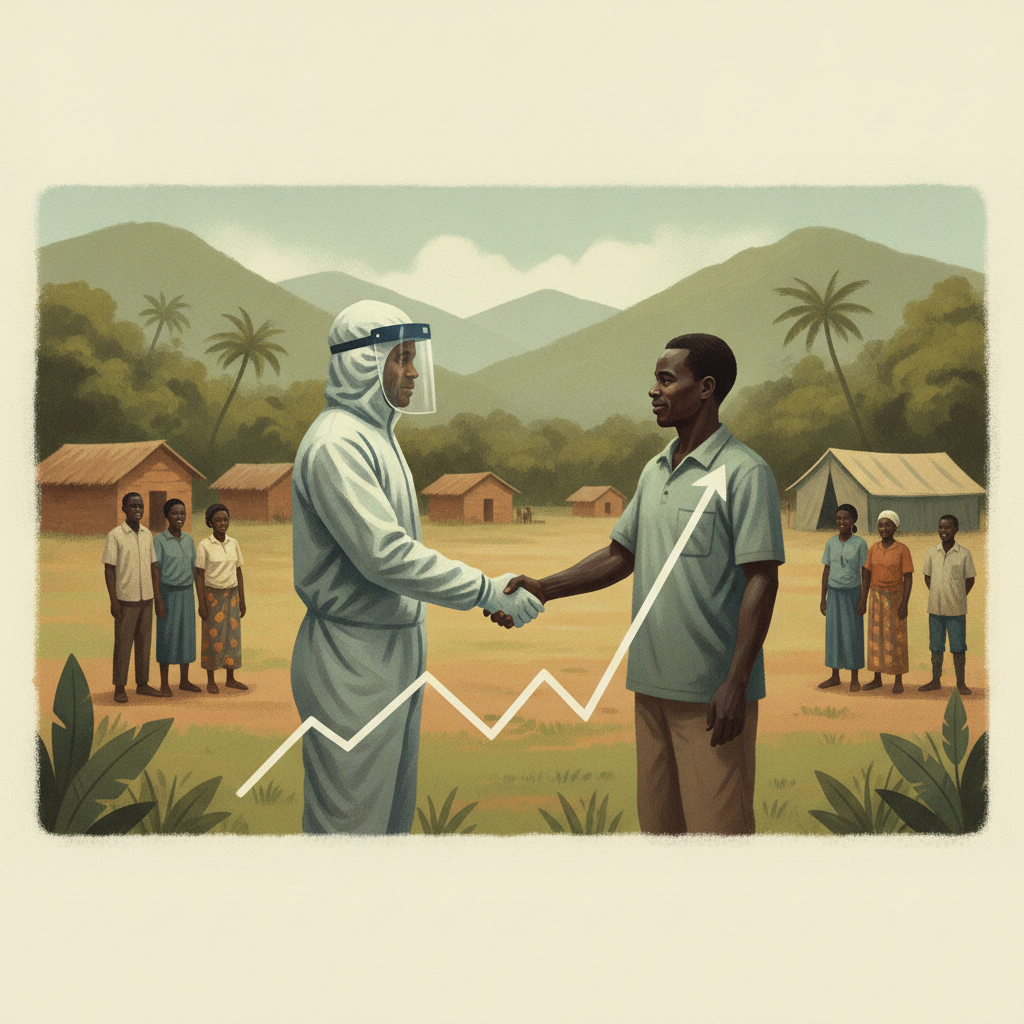
Reported facts: The WHO announced that the PARTNERS clinical trial has opened patient enrolment in the Democratic Republic of the Congo to evaluate potential treatments for Ebola disease caused by Bundibugyo virus. Attributed claims: The WHO describes the effort as a major international initiative aiming to identify the first effective treatments for BVD. Uncertainties: The press release does not specify which treatments will be tested, the trial protocol, sample size, timelines, ethics approvals, local partners, funding sources, or how successful interventions would be distributed.
Source and Framing Analysis
Source role: The item is a WHO news release, which functions to inform and to coordinate public-health messaging. Incentives: WHO will emphasize coordination, scientific legitimacy, and hope to encourage participation and international support. Missing voices: the release does not quote local clinicians, patients, independent bioethicists, or national/regional health authorities beyond the WHO statement. Disputed or unverifiable claims: descriptors like "major international effort" reflect the organization's framing rather than independently measured scale. Independent verification needed: the trial protocol, the specific investigational treatments, institutional review/ethics approvals, local consent procedures, sponsoring and funding details, and named local implementing partners.
Biblical Reflection
This announcement represents a hopeful and practical response to a deadly disease: it signals cooperation between global health actors and local health systems to test treatments that could save lives. The WHO framing emphasizes scientific inquiry and humanitarian intent, but the release is promotional in character and omits operational details that matter morally and practically—such as trial design, which interventions are tested, safety monitoring, informed consent processes, and plans for equitable access if treatments work. Christians should welcome efforts to heal and protect life while insisting on transparency, respect for vulnerable communities, and justice in access to any successful therapies. The underlying worldview is technocratic and humanitarian: it trusts institutional science and international coordination to produce life-saving answers. That is compatible with a Christian ethic of loving the neighbor, but it must be balanced by demands for humility, accountability, and care for the dignity of local partners and patients.
Scripture in context
- 1Matthew 25:31-46 — In this passage Jesus speaks about final judgment, commending those who fed the hungry, clothed the naked, visited the sick and imprisoned—acts of mercy toward 'the least'—and identifies such care as service to him. In its literary context the passage challenges listeners to see practical compassion as central to genuine discipleship, not only ritual observance. — The passage calls the church to practical solidarity with those who suffer. Applied here, it directs Christians to welcome life-saving medical efforts, to advocate for fair treatment of vulnerable patients in research, and to serve with humility so that care is not an exercise of domination but an expression of neighbor-love.
Faithful Response
Pray for those affected and for researchers; seek reliable information about the trial before sharing; support reputable organizations providing clinical care and community education; encourage and model ethical concern for informed consent and equitable access; donate or volunteer through trusted channels that work with affected communities.
Reflection and Discussion
- 1Does the press release center institutional success or the welfare and agency of local patients—and why does that matter?
- 2What concrete evidence (trial protocol, ethics approvals, named partners) would make the WHO’s claims more trustworthy to you?
- 3How can Christians practice discernment so that hope in medical advances does not become unquestioning optimism?
Sources
Reporting links are evidence inputs; Sanctuary News' biblical reflection is commentary.
This outlook currently relies on fewer than two linked sources. Broaden verification before teaching from it.
- 1.Patient enrolment begins in a scientific trial to identify the first effective treatments for Bundibugyo virus diseaseofficial_document