News Summary
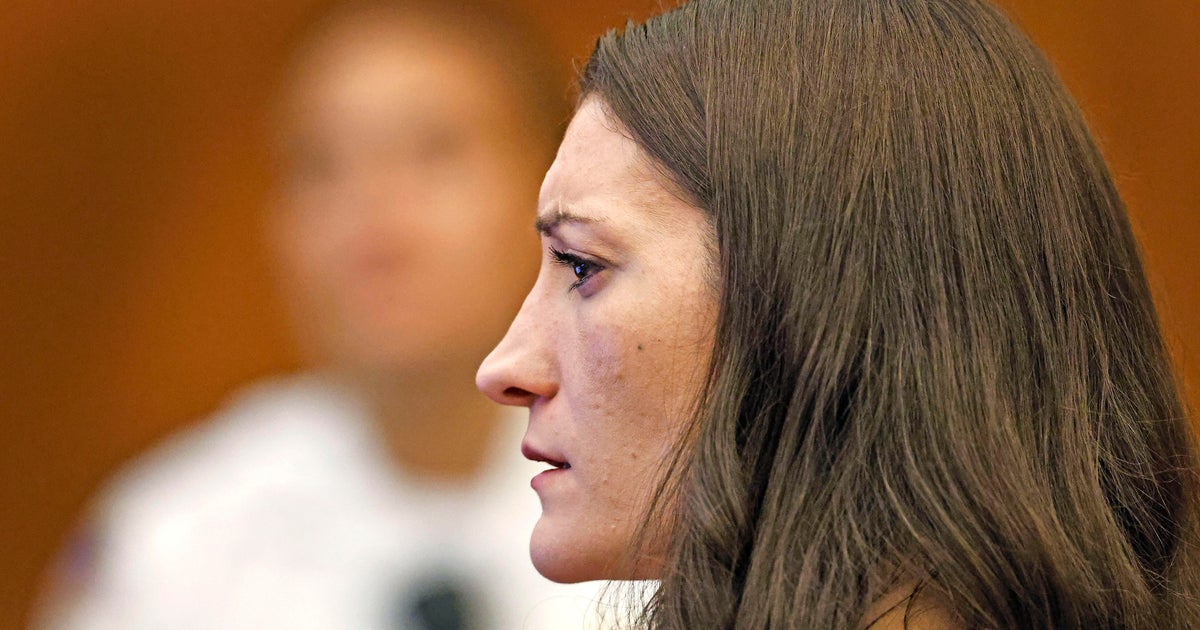
Reported facts: CBS News reports that Lindsay Clancy, accused of killing her three young children in Duxbury, Massachusetts in 2023, is standing trial and that the outlet provided live updates for opening statements and testimony on a Monday. Attributed claims: the article attributes the status of 'accused' and notes the coverage is focused on live courtroom events. Uncertainties: the supplied report does not include detailed information about the evidence, specific charges, timeline of events in 2023, trial schedule beyond opening day, or the identities of the victims beyond being Clancy's three children.
Source and Framing Analysis
The story is presented as live courtroom coverage, emphasizing procedural developments (opening statements, testimony). That format prioritizes immediate courtroom moments over background, evidence summary, or broader context about the case, which creates material uncertainty for readers who want a fuller factual picture. Because only a single live-updates report is supplied, important details (specific charges, evidence presented, defense claims, community impact) are missing and should not be assumed.
Biblical Reflection
This is a deeply tragic criminal case involving the deaths of three children and the criminal trial of an accused parent. As Christians we should hold at least three convictions: first, the reality of human brokenness and the grief of the bereaved demand our compassion and lament; second, the pursuit of justice should be careful, truthful, and measured, resisting both rush-to-judgment and reflexive defense; third, public coverage of pain invites the church to minister practically to survivors, neighbors, and those in the legal process. The article as supplied is brief and procedural in nature; it does not supply detailed evidence or motive, so Christians should avoid drawing final moral conclusions before a full record is established.
Practically, the gospel calls for both mercy and truth. Mercy asks us to mourn with those who mourn and to support families and communities harmed by violent death. Truth asks us to welcome due process, to pay attention to verified facts, and to resist sensational speculation that can re-traumatize victims and their families. Pastoral care in such situations includes lament, prayer, accompaniment of grieving persons, and sober attention to the requirements of justice.
Finally, the way the story is framed — live updates from the courtroom — highlights process over context. For Christians, courtroom proceedings can remind us that God cares for both justice and the vulnerable; our Christian response should be to pray for truth to come to light, for falsehoods to be exposed, and for the vulnerable to be protected, while offering practical help to those suffering from the consequences of violence.
Scripture in context
- 1Psalm 34:18 — Psalm 34 is a communal lament and thanksgiving psalm traditionally attributed to David; it addresses fearing the Lord, seeking refuge in God, and God's care for the brokenhearted and afflicted. — This passage calls Christians to be present with those who are broken and grieving — offering compassion, prayer, and tangible support — recognizing that God is near to those who suffer.
- 2James 1:19 — James, writing to early Jewish-Christian communities, urges believers toward practical wisdom in relationships: being quick to listen, slow to speak, and slow to anger. — In high-emotion public cases, this counsel encourages restraint: listen to verified facts, avoid quick public condemnation, and prioritize careful discernment while still seeking justice and care for victims.
Faithful Response
Pray for the families, the accused, and legal actors—seek God’s comfort and wisdom rather than immediate conclusions.
Offer concrete help to neighbors and community organizations supporting bereaved family members (meals, childcare, pastoral visits) rather than amplifying speculation online.
Resist sharing unverified details; encourage others to wait for verified reporting or official records before passing judgment.
Support local ministries and services that aid grieving families and those struggling with mental health, recognizing prevention and care as part of neighbor-love.
Reflection and Discussion
- 1Am I letting grief or outrage shape my judgment, or am I waiting for verified facts before forming conclusions?
- 2How can my community offer concrete care to grieving neighbors without contributing to public spectacle or harmful speculation?
- 3In what ways does the balance of mercy and truth shape how I pray, speak, and act toward victims, the accused, and legal processes?
Sources
Reporting links are evidence inputs; Sanctuary News' biblical reflection is commentary.
This outlook currently relies on fewer than two linked sources. Broaden verification before teaching from it.
- 1.Live Updates: Trial begins for Lindsay Clancy in murders of her 3 kidsprimary_reporting