News Summary
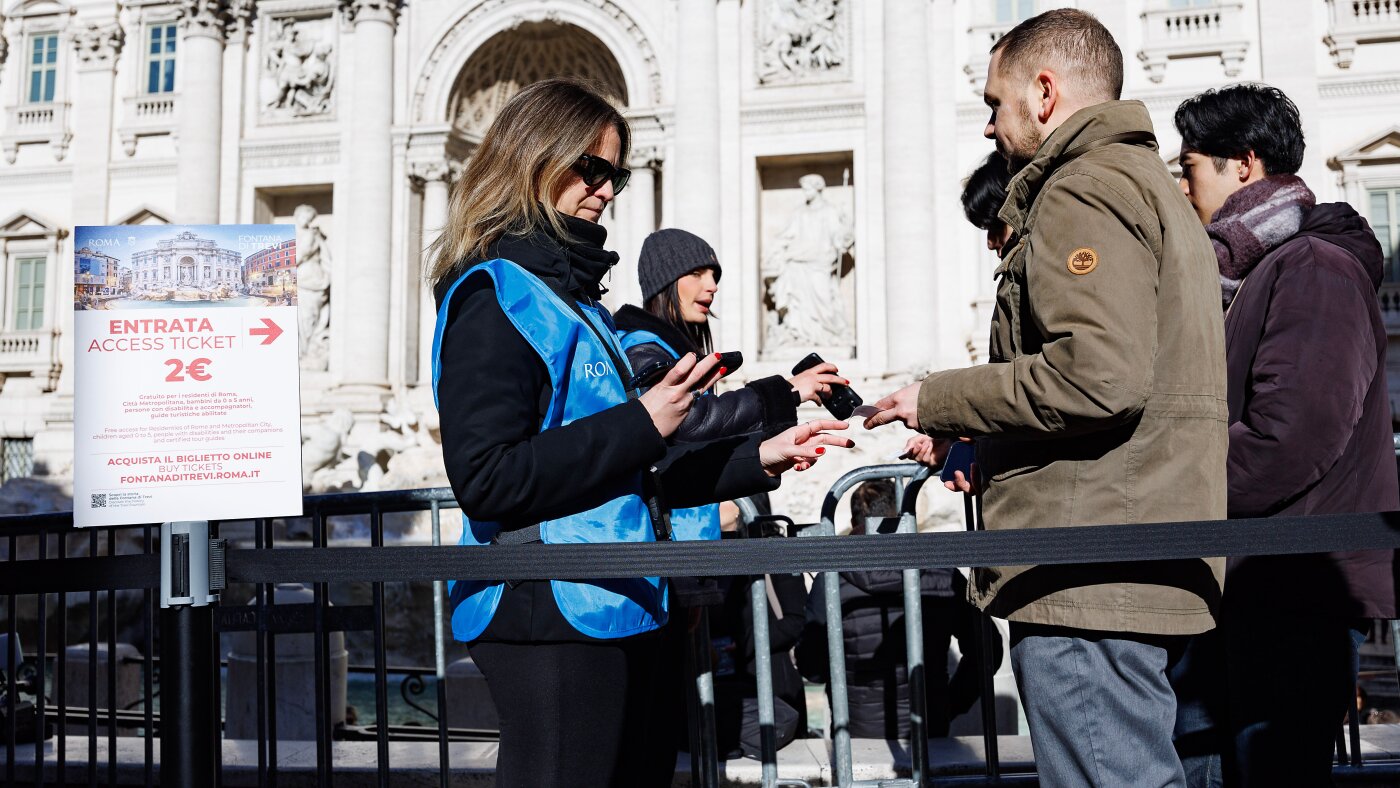
Rome has implemented a new €2 (about $2.35) entry fee for tourists wishing to approach the famous Trevi Fountain, effective February 2, 2026. The initiative aims to manage the overwhelming crowds and raise funds for maintenance of the landmark and other cultural sites. Residents of Rome are exempt from the fee, and some city-run museums are becoming free for them thanks to the revenue from these tourist fees. The measure follows similar steps taken at other major attractions in Italy and Europe, like the Pantheon and Venice’s day-tripper tax. City officials expect the new fee to generate around €6.5 million ($7.6 million) annually. Tourists generally responded positively, seeing it as a reasonable trade-off for better access and less congestion. The fee applies during peak hours, while viewing the fountain from a distance or after hours remains free.
Biblical Reflection
This story highlights the tension between stewarding cultural treasures and ensuring equitable access to them. Scripture affirms the importance of stewardship—caring for what is entrusted to us (Genesis 2:15), and Roman authorities are taking steps to preserve the Trevi Fountain for generations to come. Yet, there is also a biblical call to hospitality and generosity (Hebrews 13:2), reminding us that cultural beauty is meant to be shared, not commodified. While the fee may be small and intended for preservation, Christians should be watchful that such measures do not lead to exclusion or the commercialization of what was meant as a gift to all. The solution seems to balance practical needs with communal benefit, but ongoing vigilance is needed to ensure that the beauty and history of God’s creation and human creativity remain accessible to rich and poor alike. Ultimately, we are reminded that true treasures are not found in stone and water, but in the love, welcome, and unity we extend to one another.
Scripture in context
This outlook does not yet include contextual Scripture citations. Do not treat a general biblical theme as an exegetical conclusion.
Faithful Response
No prescribed response is offered. Consider the reflection prompts below in your own church context.
Reflection and Discussion
- 1How do I steward the blessings and resources God has given me for the good of others?
- 2In what ways can I ensure that beauty and community are accessible to all, regardless of their means?
- 3Do I value cultural and historical treasures more than the spiritual treasures Christ calls me to pursue?
Sources
Reporting links are evidence inputs; Sanctuary News' biblical reflection is commentary.
This outlook currently relies on fewer than two linked sources. Broaden verification before teaching from it.
- 1.Original reportprimary