News Summary
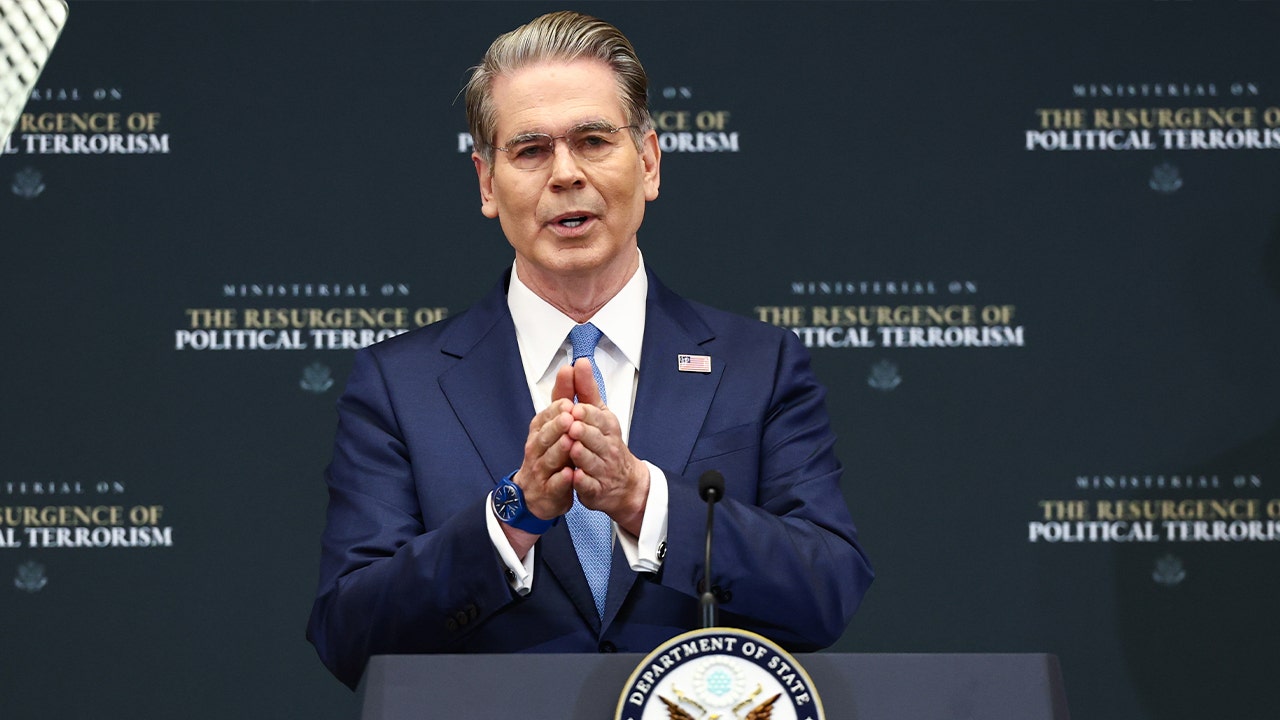
At a State Department ministerial on political terrorism, Treasury Secretary Scott Bessent said he was the target of an assassination attempt by a “left‑wing activist” two hours after being sworn in. The remarks appear to refer to Ryan Michael English, who traveled to Washington on Jan. 27, 2025 carrying a folding knife and two improvised Molotov cocktails, approached a U.S. Capitol Police officer and asked to turn himself in, and — according to prosecutors — admitted he had come intending to kill a Cabinet nominee or set fire to a think tank. Investigators recovered a note attributed to him. English pleaded guilty in March to one count of unlawful receipt, possession and transfer of a firearm and one count of carrying a dangerous weapon on Capitol grounds; he is scheduled to be sentenced Aug. 14. Bessent used the incident to argue that violent political extremism from the left is a real and growing threat. The article also notes Bessent’s professional background at Soros Fund Management and Key Square Capital and mentions his pushback against critics who question the administration’s focus on left‑wing extremism. The piece references Bessent’s comments about forthcoming sentencing as evidence of the attack’s reality and connects his remarks to a broader administration effort to build international cooperation against what it calls a resurgence of violent far‑left political terrorism.
Biblical Reflection
The facts reported — an individual came to the Capitol armed, later pleaded guilty, and faces sentencing — are concrete and serious; using that incident to highlight the reality of political violence is legitimate. Christian discernment calls us both to acknowledge real threats and to avoid broad-brush conclusions that turn one criminal act into a blanket indictment of large groups or movements. The article’s framing emphasizes a partisan angle (labeling the attacker as a “left‑wing activist” and situating the remarks within political debate), which can amplify fear and further polarize readers. From a pastoral perspective, we should press for clear, evidence‑based analysis of violence (who acted, why, and how widespread the threat actually is), insist on the rule of law and due process for perpetrators, and resist rhetoric that dehumanizes opponents. Christians are called to protect the vulnerable and seek public safety, while also pursuing truth, restraint, and reconciliation rather than fear‑driven escalation.
Scripture in context
This outlook does not yet include contextual Scripture citations. Do not treat a general biblical theme as an exegetical conclusion.
Faithful Response
No prescribed response is offered. Consider the reflection prompts below in your own church context.
Reflection and Discussion
- 1Am I letting one violent act shape my view of an entire political movement, or am I distinguishing between individual criminal behavior and broader groups?
- 2How does the article use the personal experience of a public official to advance a political point, and does that framing encourage prudent policy or partisan fear?
- 3Are calls for increased security and law enforcement accountability being balanced with efforts to address root causes and maintain civil restraint?
Sources
Reporting links are evidence inputs; Sanctuary News' biblical reflection is commentary.
This outlook currently relies on fewer than two linked sources. Broaden verification before teaching from it.
- 1.Original reportprimary