News Summary
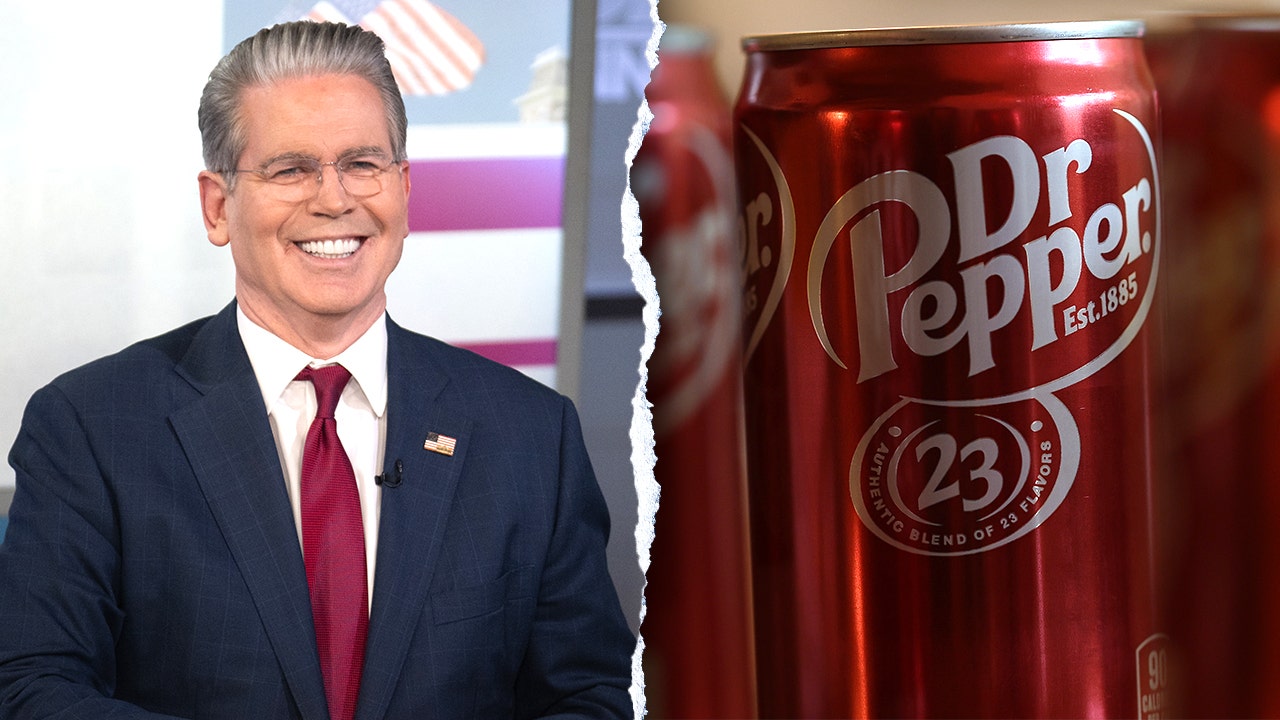
The article discusses U.S. Treasury Secretary Scott Bessent’s candid admission during a CBS News interview that he drinks Dr Pepper for breakfast, a habit he jokingly asks to keep secret from Health and Human Services Secretary Robert F. Kennedy Jr. The revelation sparked reactions from media personalities and prompted a Texas-based dietitian, Whitney Stuart, to weigh in. Stuart acknowledges the cultural affection for Dr Pepper, especially in Texas, but cautions against consuming soda for breakfast due to its high sugar content and negative health effects, such as blood sugar spikes and potential insulin resistance. The article provides nutritional information about Dr Pepper and emphasizes the importance of a balanced breakfast. It concludes by noting outreach to the Treasury Department and Dr Pepper for further comment.
Biblical Reflection
From a biblical perspective, this story highlights the intersection of personal habits, public leadership, and cultural norms. Scripture encourages stewardship of the body, viewing it as a temple of the Holy Spirit (1 Corinthians 6:19-20). While the article treats Bessent’s habit lightheartedly, it subtly raises the issue of self-control—a fruit of the Spirit (Galatians 5:22-23)—and wise choices, especially for those in positions of influence. The normalization or public sharing of unhealthy habits can inadvertently shape cultural expectations, especially among youth and families. Christians are called to model discipline, moderation, and gratitude for the resources God has provided, including food and drink, remembering that our daily choices matter not only for our health but also as a witness to others. The story is not a moral failing, but it invites self-examination about how we treat our bodies and what we publicly endorse.
Scripture in context
This outlook does not yet include contextual Scripture citations. Do not treat a general biblical theme as an exegetical conclusion.
Faithful Response
No prescribed response is offered. Consider the reflection prompts below in your own church context.
Reflection and Discussion
- 1How do my daily habits reflect my commitment to honoring God with my body?
- 2In what ways can I exercise greater self-control or make healthier choices, especially as an example to others?
- 3How might my public or private actions influence those around me, intentionally or unintentionally?
Sources
Reporting links are evidence inputs; Sanctuary News' biblical reflection is commentary.
This outlook currently relies on fewer than two linked sources. Broaden verification before teaching from it.
- 1.Original reportprimary