News Summary
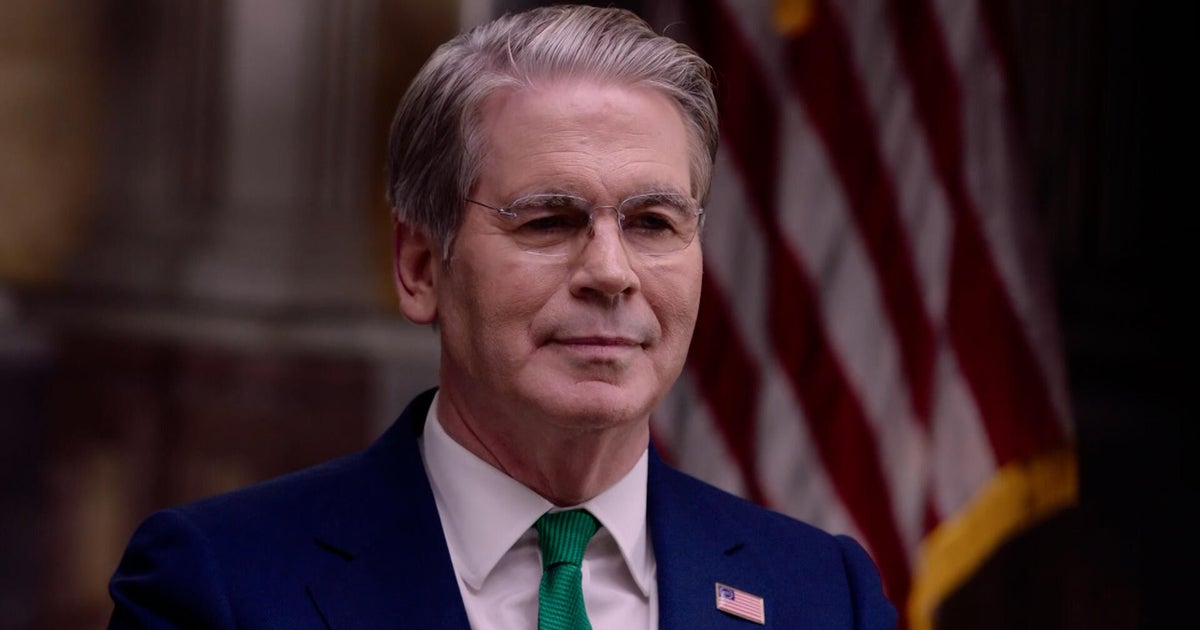
Treasury Secretary Scott Bessent told CBS News he does not believe the disclosure that President Trump earned roughly $1.4 billion from cryptocurrency ventures since the start of his second term creates an appearance problem. The disclosure cited earnings from the president's meme coin $TRUMP and from World Liberty Financial, a cryptocurrency company backed by the president and his family. Congressional Democrats raised conflict-of-interest concerns given the administration's efforts to loosen crypto regulations; the White House said there are no conflicts of interest. Bessent also discussed the Trump Accounts program, reporting more than 6 million accounts opened and that the government will begin contributing $1,000 to eligible children's accounts (born Jan. 1, 2025–Dec. 31, 2028) starting July 4. He addressed economic issues tied to the Iran war, saying gasoline prices have fallen from highs above $4.50 to an average of $3.83 and expressing hope prices could drop to $3 by Labor Day. Bessent characterized the June jobs report—57,000 jobs added and a 4.2% unemployment rate—as consistent with a short-term disconnect between wage growth (3.5% annual) and inflation (4.2%), and said he expects real wage gains as energy prices fall. He defended the administration's focus on technology and innovation and promoted broader access to equity markets through the Trump Accounts initiative.
Biblical Reflection
From a Christian perspective this article raises several questions about leadership, stewardship, and public trust. The Treasury secretary's assessment that there is no 'appearance problem' is an opinion about reputation rather than an adjudication of facts; Christians are called to prize honesty and transparency, and public officials holding or profiting from assets tied to sectors they regulate should expect careful scrutiny. The article presents both an argument for innovation and wider market participation and a competing concern about potential conflicts of interest. Pastoral wisdom asks us to weigh intentions and effects: even if legal, concentrations of private gain connected to policy choices can erode communal trust and make it harder to love neighbors who are economically vulnerable. On the economic points, the coverage highlights real strain—prices, wages, and job growth—that affect ordinary households; Christian concern should focus on policies that protect the poor and marginalized and on leaders who acknowledge hardship without minimizing it. Finally, the Trump Accounts initiative is presented as a stewardship and access measure; Christians can affirm efforts to expand financial literacy and opportunity while also probing whether programs are administered fairly and serve the common good.
Scripture in context
This outlook does not yet include contextual Scripture citations. Do not treat a general biblical theme as an exegetical conclusion.
Faithful Response
No prescribed response is offered. Consider the reflection prompts below in your own church context.
Reflection and Discussion
- 1Even if legal, does public disclosure sufficiently address the appearance of conflict when officials profit from industries their policies affect?
- 2How does concentrated private wealth tied to policy debates shape public trust, and what practices would rebuild that trust?
- 3When leaders promote innovation and markets, how should Christians balance support for opportunity with care for those who are economically vulnerable?
Sources
Reporting links are evidence inputs; Sanctuary News' biblical reflection is commentary.
This outlook currently relies on fewer than two linked sources. Broaden verification before teaching from it.
- 1.Original reportprimary