News Summary
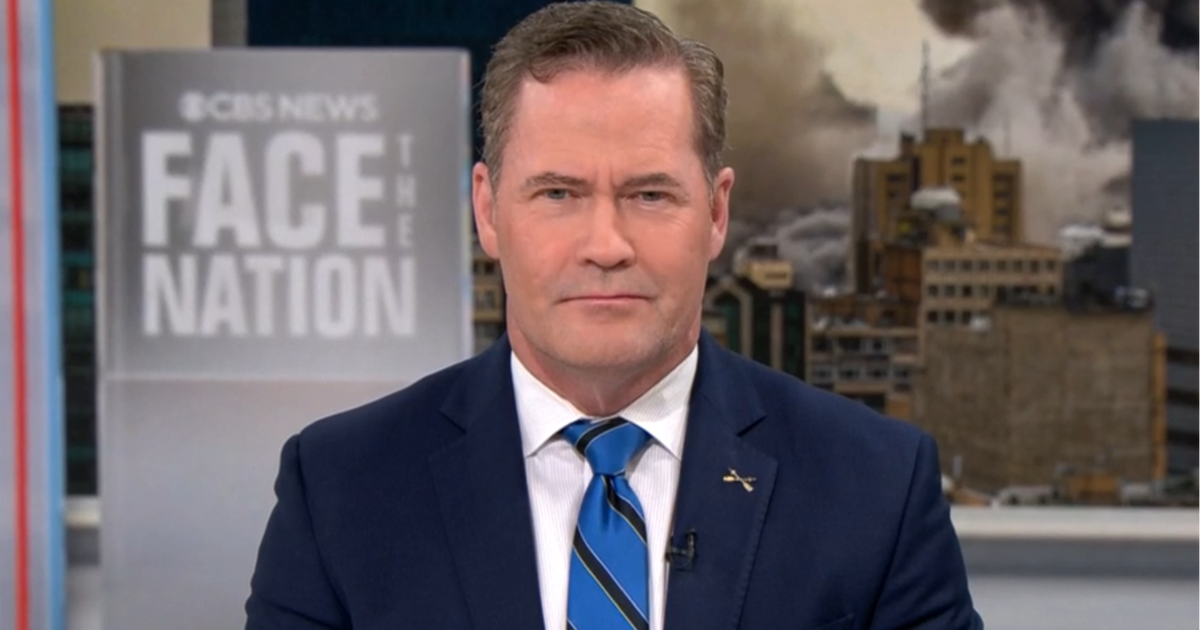
This transcript reproduces a March 22, 2026 interview on CBS’s Face the Nation between Margaret Brennan and Mike Waltz, the U.S. ambassador to the U.N. The conversation centers on U.S. policy toward Iran following presidential tweets threatening to target Iranian energy infrastructure if Iran does not reopen the Strait of Hormuz. Waltz says the United States could both support others policing the strait and act directly, and he notes several European and Asian allies have committed naval or support roles. He emphasizes degrading Iran’s missile, naval and drone capabilities, accuses the IRGC of controlling Iranian infrastructure and blending civilian and military sites, and defends keeping “all options on the table.” Brennan presses Waltz on whether attacking energy infrastructure could constitute a war crime, noting links between power plants and civilian needs like water desalination; Waltz argues legitimate targeting is possible when military and regime assets are interwoven. They discuss differing intelligence assessments about Iran’s missile and nuclear capabilities (including claims about an ICBM launch and references to Bushehr nuclear plant and Operation Midnight Hammer). The interview closes with discussion of American public opinion, with polling showing majority skepticism about the war, and Waltz defending the administration’s stance and urgency to prevent nuclear proliferation in the Middle East.
Biblical Reflection
From a biblical perspective this interview raises urgent moral concerns that Christians must wrestle with honestly. Scripture affirms the government's role to pursue justice and protect the vulnerable (Romans 13:1–4), but it also calls leaders and communities to seek peace, act justly, love mercy, and walk humbly (Micah 6:8; Matthew 5:9). The rhetoric of obliterating infrastructure and keeping “all options on the table” must be measured against the command to protect innocent life and avoid collective punishment. Targeting facilities that sustain civilians—water, hospitals, power—risks harming those the Bible repeatedly urges us to defend: widows, orphans, the poor, and the innocent. At the same time, the Bible does not require passivity in the face of persistent injustice and threats; it demands wise, proportionate, and accountable action that seeks to minimize harm while pursuing lasting peace. Christians should therefore pray for wise counsel for leaders, demand transparency and careful adherence to just-war principles (discrimination between combatants and noncombatants, proportionality, last resort), and resist triumphalism or dehumanizing language about enemies. We should also remember that fear of proliferation and regional escalation are real burdens that need sober stewardship, not merely bluster. Ultimately, scriptural fidelity calls for truth-telling, compassion for civilians on all sides, humility by leaders, and persistent prayer and action for peace and justice.
Scripture in context
This outlook does not yet include contextual Scripture citations. Do not treat a general biblical theme as an exegetical conclusion.
Faithful Response
No prescribed response is offered. Consider the reflection prompts below in your own church context.
Reflection and Discussion
- 1How can I pray for leaders and civilians in ways that reflect both concern for security and compassion for those who would suffer in conflict?
- 2Where do I see the tension between protecting a nation and protecting noncombatant life, and how should that tension shape my judgment?
- 3What concrete steps can I ask my leaders to take that prioritize transparency, proportionality, and efforts to avoid civilian harm?
Sources
Reporting links are evidence inputs; Sanctuary News' biblical reflection is commentary.
This outlook currently relies on fewer than two linked sources. Broaden verification before teaching from it.
- 1.Original reportprimary