News Summary
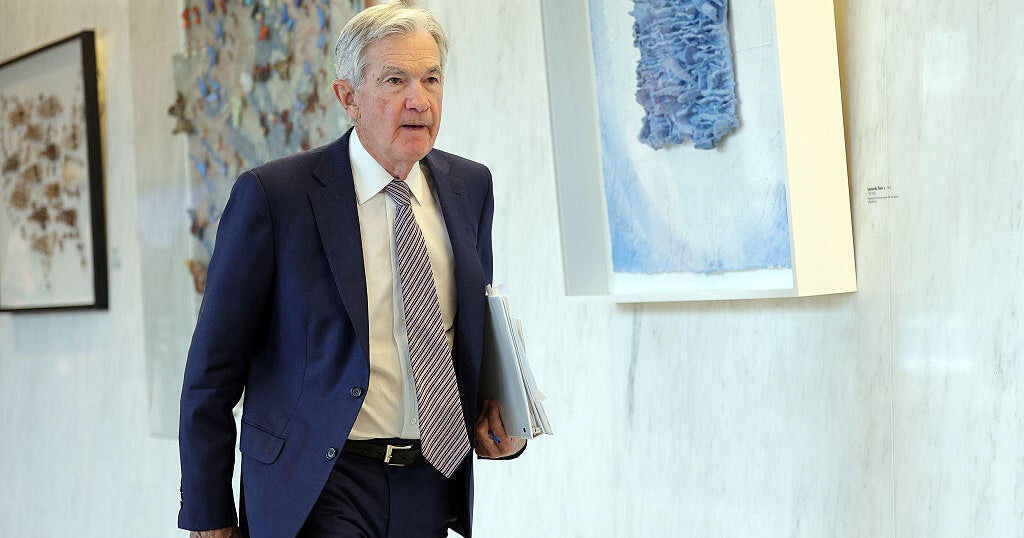
A March 3 sealed hearing transcript shows Assistant U.S. Attorney Andrew Massucco privately conceded the Justice Department had not identified evidence of a crime in its probe of the Federal Reserve's $2.5 billion renovation project. Eight days later, Chief U.S. District Judge James Boasberg quashed subpoenas issued to the Federal Reserve, writing that the government had produced "essentially zero evidence" to suspect Fed Chair Jerome Powell of a crime and describing the subpoenas' justification as "thin and unsubstantiated." The investigation stemmed from Powell's June testimony before the Senate Banking Committee about cost overruns on the renovation. Prosecutors referenced $1.2 billion in cost increases as a reason to investigate, but the transcript records an inability to specify false statements or evidence of fraud. U.S. Attorney Jeanine Pirro's office handled the probe; Pirro has said she will appeal the judge's decision. The judge raised concern that the subpoenas could be perceived as pressure on the Fed chair related to interest-rate policy. The investigation has also affected consideration of Kevin Warsh, President Trump's nominee to replace Powell.
Biblical Reflection
From a Christian perspective, this story raises concerns about the integrity of public institutions and the use of legal processes. The available facts indicate a prosecutorial inquiry that, at least publicly and in the judge's view, lacked clear evidence of criminal conduct and that the court saw risk of politicized pressure on an independent official. Scripture calls believers to seek truth, uphold justice, and avoid using power for partisan ends (Micah 6:8). Christians should be wary of narratives that leap from cost overruns to criminality without demonstrable proof, and should resist consuming or sharing politically charged claims before evidence is made clear. At the same time, a healthy respect for lawful inquiry is warranted when there is credible evidence. The article, while reporting judicial findings and prosecutor admissions, also highlights partisan actors and motivations (naming Trump, a Trump appointee, and a former media personality) that may shape how the investigation and coverage are perceived. The core biblical takeaways are to pray for impartiality in officials, to demand accountability rooted in facts rather than political ends, and to cultivate humility—recognizing that public institutions and leaders can be both fallible and the targets of unfair pressure.
Scripture in context
This outlook does not yet include contextual Scripture citations. Do not treat a general biblical theme as an exegetical conclusion.
Faithful Response
No prescribed response is offered. Consider the reflection prompts below in your own church context.
Reflection and Discussion
- 1Does the public presentation of this investigation emphasize proven facts or political implications—and how does that affect our trust in institutions?
- 2Are legal tools being applied to pursue truth or to exert political pressure, and how should Christians evaluate such uses of power?
- 3How can Christians hold leaders accountable while insisting on fairness, evidence, and the presumption of innocence?
Sources
Reporting links are evidence inputs; Sanctuary News' biblical reflection is commentary.
This outlook currently relies on fewer than two linked sources. Broaden verification before teaching from it.
- 1.Original reportprimary