News Summary
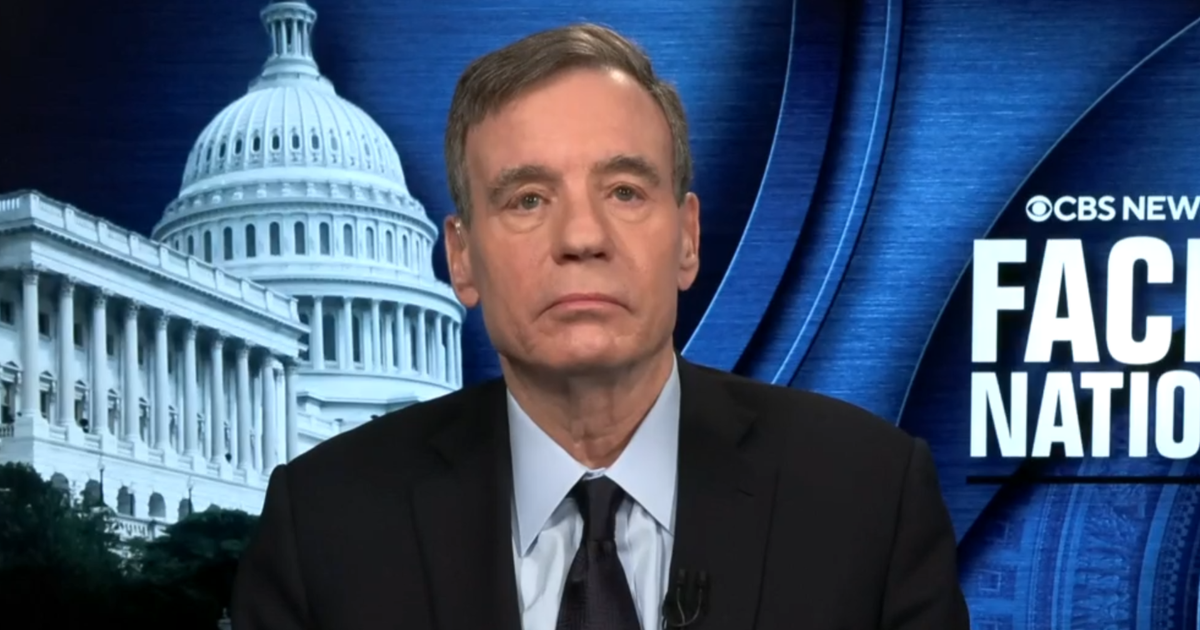
This transcript records Senator Mark Warner's March 15, 2026, appearance on CBS's Face the Nation with Margaret Brennan. Warner addresses recent domestic attacks — including a fatal shooting at Old Dominion University by a previously incarcerated ISIS supporter — and questions why law enforcement failed to prevent the attacker from acting. He faults recent changes at the FBI under Director Kash Patel, claiming counterterrorism personnel were reassigned to immigration enforcement. Warner calls for an investigation into how the gunman remained at large. Turning to the war with Iran, Warner labels it a "war of choice," critiques the administration's four objectives (regime change, eliminating enriched uranium, removing missiles, and neutralizing naval threats) as not clearly accomplished, and expresses concern about strategic choices (including not using Ukrainian drones). He responds to the deadly strike on a school in Minab, Iran, saying a thorough probe is needed before assigning blame but lamenting initial denials from the White House. Warner also highlights domestic consequences of the conflict — rising gas and fertilizer costs — and criticizes congressional deadlock over Homeland Security funding that has left TSA and other personnel unpaid. He emphasizes the need for facts and investigations and signals continued oversight hearings.
Biblical Reflection
From a Christian perspective, several biblical concerns surface in this story: the protection of the vulnerable, the integrity and humility of leaders, and the duty to seek truth and justice. The slaughter of children in Minab and the domestic terror attack bring into sharp relief Scripture's call to defend the helpless and to mourn with those who suffer. Leadership decisions that send others into harm's way — especially when motivations and goals are unclear — demand accountability and the sober exercise of wisdom (not partisan posturing). Warner's call for thorough investigation and facts aligns with the biblical insistence on fair and careful judgment (Proverbs’ repeated counsel against hasty decisions). At the same time, Christians should be cautious about adopting quick political blame; Scripture repeatedly warns against slander and the temptation to rejoice when enemies fall. The report also raises a pastoral concern about how national security is staffed and prioritized: treating human lives as collateral for policy experiments violates the stewardship ethic Christians are called to embody. Practically, the faithful response includes praying for bereaved families, advocating for transparent inquiry, supporting care for those affected (including service members and civilians), and pressing leaders to pursue justice, mercy, and peace rather than rhetoric that hardens hearts toward war. Ultimately, the story calls the church to be a voice for truth, to comfort the afflicted, and to hold rulers to a standard of humility and responsible stewardship of power.
Scripture in context
This outlook does not yet include contextual Scripture citations. Do not treat a general biblical theme as an exegetical conclusion.
Faithful Response
No prescribed response is offered. Consider the reflection prompts below in your own church context.
Reflection and Discussion
- 1Where do I need to seek wisdom and humility in responding to news about war and security rather than reacting in fear or partisanship?
- 2How can I practically support and pray for those harmed — children, civilians, and service members — and advocate for justice and transparency?
- 3Am I trusting leaders and institutions uncritically, or am I holding them to biblical standards of justice, mercy, and stewardship?
Sources
Reporting links are evidence inputs; Sanctuary News' biblical reflection is commentary.
This outlook currently relies on fewer than two linked sources. Broaden verification before teaching from it.
- 1.Original reportprimary