News Summary
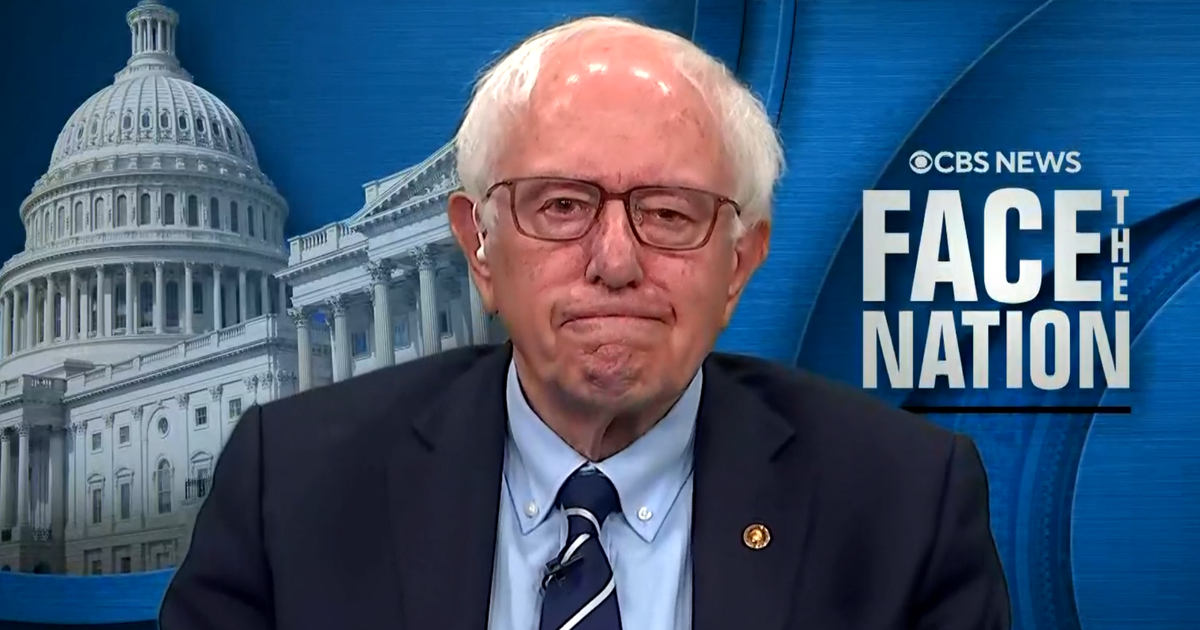
Reported facts: CBS News published a full transcript of an interview with Vermont Sen. Bernie Sanders on Face the Nation with Margaret Brennan dated July 26, 2026, and noted that only a portion of the interview aired. Attributed claims: any policy positions, factual assertions, or quotations within the transcript are attributed to Senator Sanders or the interviewer; the article does not itself evaluate those claims. Uncertainty: because the supplied article text here is a meta-description rather than the full transcript content, specific asserted facts or policy statements made in the interview cannot be verified from the supplied package.
Source and Framing Analysis
The piece is a primary transcript rather than an interpretive article; framing is minimal. Material uncertainties arise from (a) the difference between the full transcript and the aired excerpt (editors choose what to air), and (b) the absence of additional reporting—such as fact checks or contextual background—within this single item. Readers should be aware that transcripts preserve words but strip visual and tonal cues, and that editorial choices about which segments to highlight on-air can shape public impressions.
Biblical Reflection
Media transcripts of political interviews are a public good when used responsibly: they give citizens direct access to a politician's words and enable verification. At the same time, transcripts remove intonation and editorial context that can shape meaning, and audiences often hear only the aired excerpts rather than the full exchange. Christians seeking to participate faithfully in public life should value truth and accountability while resisting the urge to weaponize partial quotes against opponents. Discernment means fact-checking claims, listening with humility, and prioritizing mercy and neighbor-love over partisan victory. In practice, that looks like engaging the transcript to test factual claims, praying for leaders and for wisdom for those who report and consume news, and letting concern for the vulnerable guide our political priorities rather than anger or tribal identity.
Scripture in context
- 1Philippians 2:1-11 — In its original letter form, Paul urges the Philippian church to adopt Christ-like humility and self-giving, contrasting common Greco-Roman honor culture with the servant leadership modeled by Christ. — This passage calls Christians to prioritize humility, listening, and service in public life: when engaging political speech, aim to combine truthful critique with a posture of self-examination and sacrificial concern for the common good rather than partisan triumph.
Faithful Response
Read the full transcript (not only excerpts) before sharing or judging statements; check claims with independent fact-checks.
Pray for leaders and for discernment for yourself and your community; ask God to guide judgment with mercy.
Discuss contentious points with believers across the aisle, focusing on neighbor-love and policy impacts on vulnerable people rather than scoring rhetorical points.
Support civic practices that increase truthful public accountability—contact elected officials, attend town halls, and vote informed by conscience.
Reflection and Discussion
- 1When a leader speaks, do I first seek to confirm my biases or to measure their words against truth and compassion?
- 2How does love of neighbor change which political claims I amplify or correct?
- 3What practices will help my community stay both critical and charitable in public discourse?
Sources
Reporting links are evidence inputs; Sanctuary News' biblical reflection is commentary.
This outlook currently relies on fewer than two linked sources. Broaden verification before teaching from it.
- 1.Transcript: Vermont Sen. Bernie Sanders on "Face the Nation with Margaret Brennan," July 26, 2026primary_reporting