News Summary
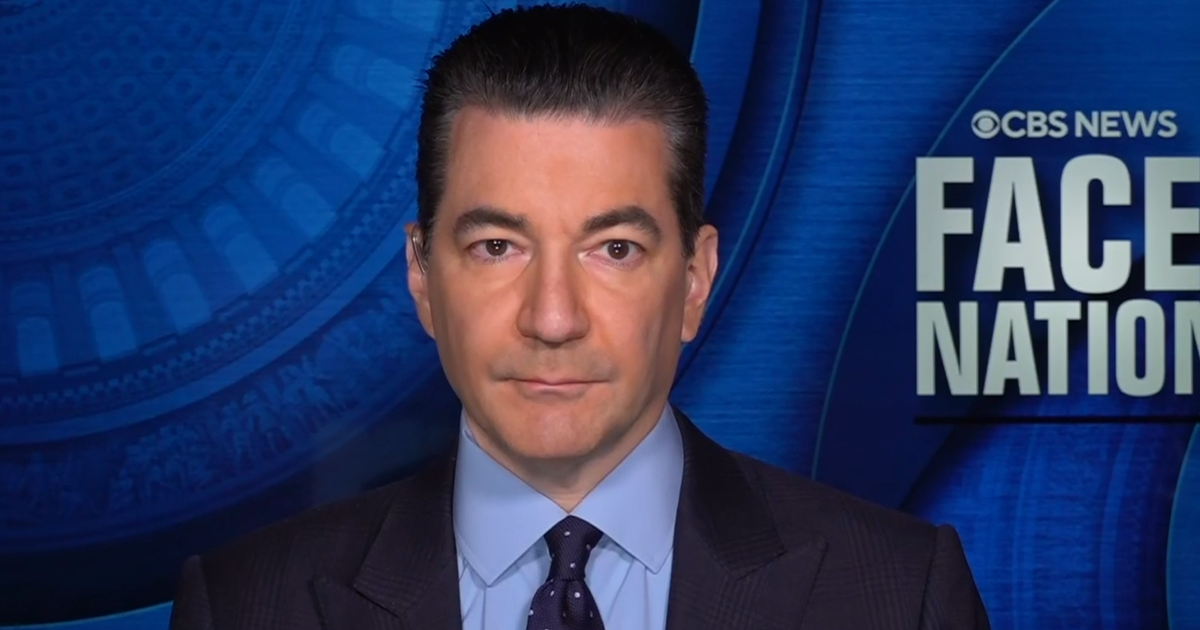
CBS News published the transcript of a May 10, 2026 interview on Face The Nation with former FDA Commissioner Dr. Scott Gottlieb, who also serves on the boards of Pfizer and UnitedHealth. The interview covers three main subjects: (1) a Hantavirus outbreak aboard a cruise ship that killed three people, prompted evacuation of roughly 150 passengers (including 17 Americans) to the Canary Islands and plans to fly U.S. passengers to a quarantine unit in Nebraska; six U.S. states were monitoring potential exposures linked to the ship or to flights carrying passengers. Gottlieb and referenced agencies (CDC, WHO) characterize the public-health risk as low but acknowledge uncertainties about the virus, note prior outbreaks in Argentina, describe transmission as typically requiring close contact and occurring when symptomatic, and project that additional cases would likely appear within the virus’ cited incubation window (about two to six weeks). (2) Treatments and remedies: Gottlieb and WHO reject ivermectin as an effective treatment for Hantavirus and warn against stockpiling or using it, citing mechanistic reasons why it would not work for this virus and noting there are currently no proven treatments. (3) U.S. public-health institutions and policy: Gottlieb expresses concern about turnover and staffing losses at the FDA (citing reductions in medical reviewers in oncology and hematology divisions and political appointments to career roles), and says continued upheaval is detrimental to the agency’s function. He also comments on HHS Secretary Robert F. Kennedy Jr.’s public statements comparing antidepressant withdrawal with opioid withdrawal, advising patients not to stop SSRIs without medical supervision and expressing concern that high-profile comments could discourage appropriate use of necessary medications. The transcript includes factual attributions: Gottlieb’s board memberships were stated at the top of the interview; references to CDC and WHO positions were made; no new data or peer-reviewed studies were presented in the interview itself.
Biblical Reflection
From a Christian perspective, this interview raises three important considerations: truthfulness of information, stewardship of public trust, and care for the vulnerable. The piece is largely factual in reporting Gottlieb’s statements and the basic facts of the outbreak (evacuation, deaths, quarantine plans). It presents expert interpretation that aligns with public-health agencies in calling overall risk low while acknowledging uncertainty — a balanced posture that resists panic but does not dismiss legitimate caution. Two potential sources of bias or distortion to note: (1) Gottlieb’s declared board positions with Pfizer and UnitedHealth could influence his perspectives on regulatory and industry matters; that affiliation is reported, but readers should still weigh statements with awareness of potential institutional interests. (2) The interview highlights institutional instability at the FDA and political contestation over public-health leadership; media coverage of such disputes can amplify distrust. Biblically, Christians are called to seek truth (John 8:32), to speak honestly about sources and motives, and to care for the sick and anxious (Matthew 25:36). When experts disagree or institutions appear unstable, Christians should neither surrender to fear nor ignore prudent counsel. Instead, we should evaluate claims critically, consult credible sources, protect the vulnerable (e.g., those who are sick or dependent on medications), and pray for wisdom for leaders and health workers. Finally, the interview underscores the danger of simplistic remedies or social-media-driven solutions during crises; discernment and humility before scientific complexity are virtues compatible with Christian stewardship.
Scripture in context
This outlook does not yet include contextual Scripture citations. Do not treat a general biblical theme as an exegetical conclusion.
Faithful Response
No prescribed response is offered. Consider the reflection prompts below in your own church context.
Reflection and Discussion
- 1How does knowing an expert’s institutional affiliations (e.g., board memberships) change the way you weigh their public statements, and what standards should you use to separate helpful expertise from potential conflicts of interest?
- 2When media coverage highlights institutional turmoil or leadership risk, what assumptions about competence, motive, or blame might the coverage be encouraging, and how should a Christian discern between warranted accountability and cynical distrust?
- 3How can Christians hold simultaneously to humility about scientific limits and confidence in God’s sovereignty when public-health guidance is uncertain or evolving?
Sources
Reporting links are evidence inputs; Sanctuary News' biblical reflection is commentary.
This outlook currently relies on fewer than two linked sources. Broaden verification before teaching from it.
- 1.Original reportprimary