News Summary
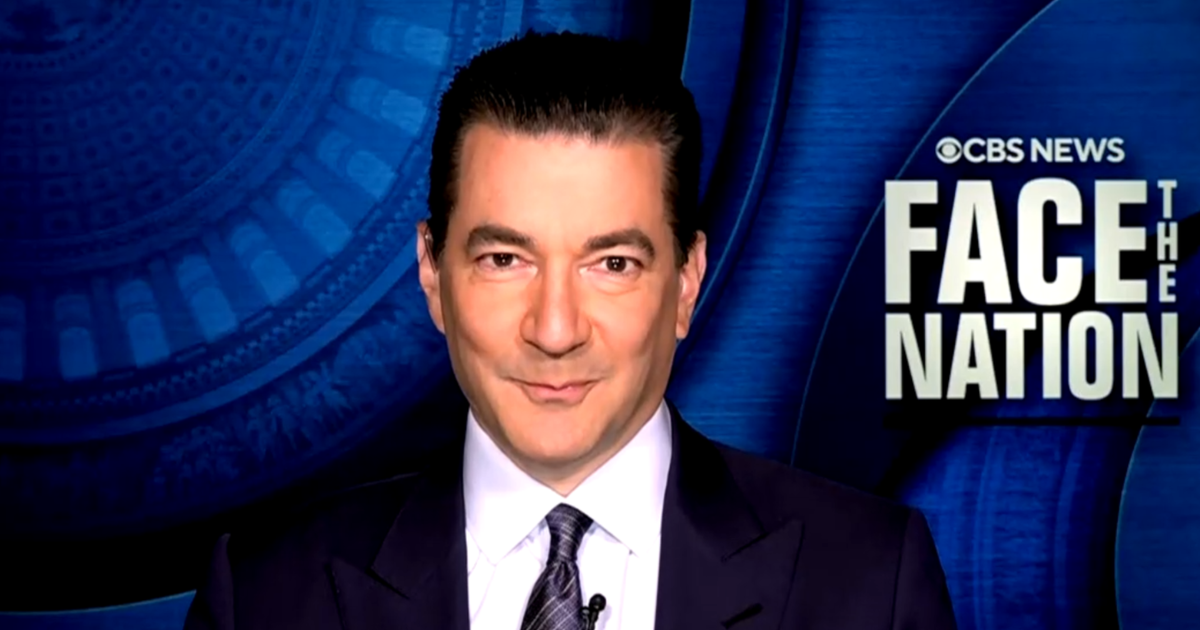
CBS News published a full transcript of the Face the Nation interview between Margaret Brennan and Dr. Scott Gottlieb that aired Aug. 23, 2026. The transcript identifies Gottlieb as a former FDA commissioner and discloses that he serves on the boards of Pfizer and UnitedHealthCare. The supplied material for this assessment includes the transcript metadata and header details but does not include the substantive interview text, so specific claims made during the interview cannot be independently verified here.
Source and Framing Analysis
Source: CBS News (transcript publication). Framing: presented as a verbatim transcript and labeled with program, date, participants, and the interviewee’s corporate board affiliations. This framing treats the item as a primary public record rather than an interpretive or investigative piece. The most consequential editorial choice is the clear disclosure of Gottlieb’s board memberships, which signals to readers that potential conflicts of interest are relevant when evaluating his statements. Limitations: because only the transcript header/metadata was supplied for review, we cannot assess or corroborate any specific factual or technical claims that may appear within the full interview text. The publisher’s role appears limited to making the on-air exchange publicly accessible; interpretation and verification of substantive assertions will depend on the full transcript and independent fact‑checking.
How sources covered this story
Sanctuary separately assesses reporting quality and alignment with Christian virtues. The virtues assessment considers truthfulness, dignity, compassion, justice, peacemaking, humility, and care for vulnerable people. It does not assess a publisher's faith or reward religious language.
Compare 1 reports
Rank 1
CBS News: Transcript: Dr. Scott Gottlieb on "Face the Nation with Margaret Brennan," Aug. 23, 2026Reporting 80/100Virtues 75/100
- Distinctive contribution
- States that the document is a transcript of Gottlieb's interview on Aug. 23, 2026, and discloses his board memberships at Pfizer and UnitedHealthCare — a specific affiliation detail that is material for evaluating perspective or conflicts.
- Framing
- Neutral, factual metadata/labeling — presents the item as a transcript and supplies speaker identity and affiliations without editorializing.
- Omissions or uncertainty
- No actual interview content, quotes, or substantive claims from the interview are included in the supplied text. It does not elaborate on topics discussed, the nature of Gottlieb's comments, or any potential conflict-of-interest discussion beyond naming his board roles. The URL is provided but the excerpt itself is minimal.
- Why these scores
- The excerpt is clear, transparent, and responsibly labeled: it names the interview subject, program, date, and discloses relevant affiliations. For its apparent purpose (a transcript header/label) it succeeds. It is limited in informational scope because the substantive transcript content is not supplied, but that limitation is a function of excerpt length rather than poor reporting practices. The supplied text is honest and transparent about the interview source and the subject's affiliations, which supports truthfulness and humility. It is neutral and non‑sensational, respecting dignity. Because it contains only metadata and no human-interest content or moral framing, it neither particularly advances nor undermines other virtues such as compassion or peacemaking, so it merits a solid but not maximal score.
Biblical Reflection
From a Christian perspective, engage this transcript with a posture that holds truth and mercy together. Truth: seek to verify any technical or public‑health claims against primary data and independent expert analysis rather than accepting assertions at face value. Mercy and dignity: avoid quickly weaponizing the speaker’s affiliations into ad hominem dismissal; evaluate claims on their merits while noting potential biases. Justice and care for the vulnerable: prioritize how policy recommendations discussed in the interview would affect the most vulnerable people and press for transparency where private interests intersect with public policy. Humility and peacemaking: model calm, charitable inquiry in conversations about the interview—ask questions, listen, and avoid partisan escalation. Practically, Christians can pray for wisdom for leaders and discernment for the public, encourage disclosure of potential conflicts, and support avenues that center public health and human dignity.
Scripture in context
- 1Proverbs 11:3 — Proverbs is Hebrew wisdom literature contrasting integrity and prudence with folly and deceit. — Leaders and public commentators should be guided by integrity and transparency; listeners should look for consistency between words and actions when evaluating public figures such as interviewees identified in this transcript.
- 2James 3:1 — James addresses the responsibilities and greater accountability borne by teachers and public speakers within a moral community. — Those who speak publicly on matters that shape others’ health or behavior bear special responsibility to be accurate, cautious, and humble; listeners should hold them to a high standard of accountability when assessing the Face the Nation interview.
Faithful Response
Read the full CBS transcript (Face the Nation, Aug. 23, 2026) prayerfully and critically; mark any technical claims or policy prescriptions for independent verification.
Note the disclosed affiliations (Pfizer and UnitedHealthCare board roles) and consider how those relationships might influence perspective; seek corroboration from independent experts and primary data sources (CDC, peer‑reviewed literature, public health agencies) before forming public judgments.
Avoid partisan assumptions: give charity where appropriate but insist on transparency and factual accuracy. If the interview raises community concerns, point people to vetted resources and encourage calm, evidence‑based discussion.
If pastoral leadership is needed, offer congregants a short guidance note, host a Q&A with a qualified medical professional, and emphasize care for vulnerable neighbors when evaluating policy implications.
Reflection and Discussion
- 1When a public figure discloses corporate affiliations, how should that shape our assessment of their public claims?
- 2Which Christian virtues—truth, humility, care for the vulnerable—are most at stake when responding to health‑policy commentary, and how should they guide our actions?
- 3How can our congregation help members sort accurate information from opinion without becoming partisan or alarmist?
- 4What concrete steps should we take if the interview’s claims, once verified, would affect vulnerable people in our community?
Sources
Reporting links are evidence inputs; Sanctuary News' biblical reflection is commentary.
This outlook currently relies on fewer than two linked sources. Broaden verification before teaching from it.
- 1.Transcript: Dr. Scott Gottlieb on "Face the Nation with Margaret Brennan," Aug. 23, 2026primary_reporting