News Summary
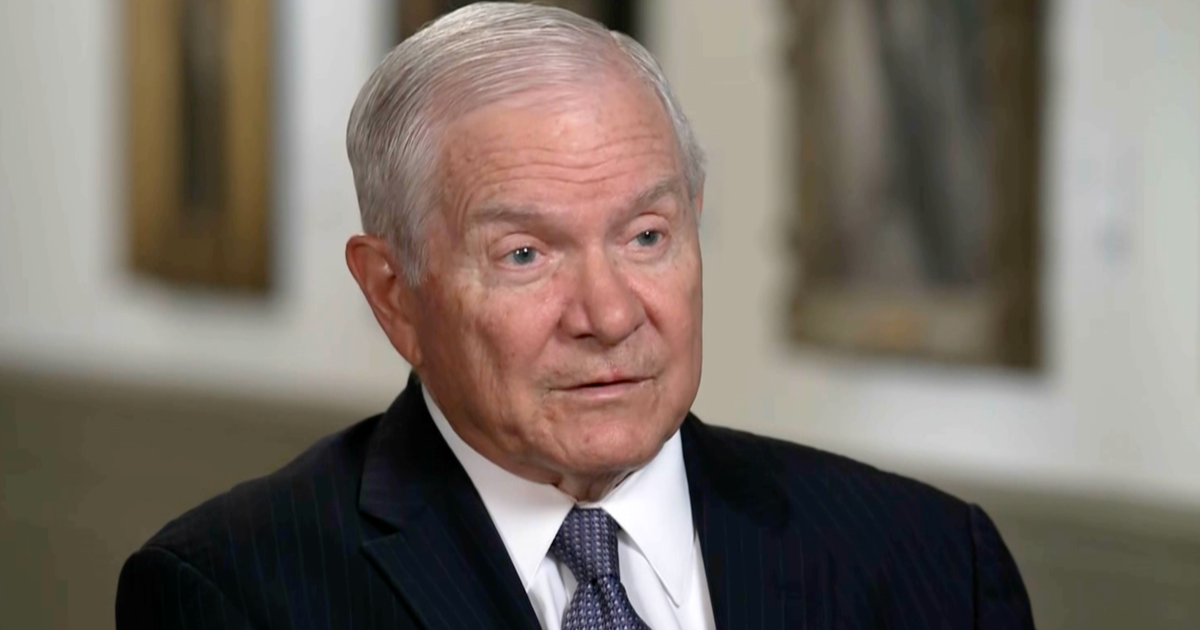
This is a transcript of a May 17, 2026 Face the Nation interview with former Defense Secretary Robert Gates. Gates argued that the U.S. faces an unusually dangerous period because it currently confronts nuclear-armed adversaries in both Europe and Asia, and because China and Russia together will soon outnumber U.S. strategic warheads as China completes its modernization. He described China as a near-peer competitor with growing non-military instruments of power worldwide. On the recent Trump–Xi meeting, Gates said the primary objective appeared to be preventing deterioration of U.S.–China ties and preserving a trade truce; the summit produced working groups on AI and tariffs but few concrete deliverables. On Taiwan, Gates recommended maintaining U.S. strategic ambiguity, urged approval of previously agreed arms sales while noting delivery backlogs, and said Taiwan should prioritize defensive systems suited to repel invasion. Gates warned of U.S. stockpile depletion (precision munitions and air/missile defense interceptors) and urged a sustained industrial mobilization to rebuild capacity. He assessed a Chinese invasion of Taiwan as unlikely in the near term, suggesting China could instead use blockade, economic pressure, cyber operations, or political influence to coerce Taiwan. On Iran and the Middle East, Gates said military strikes have set Iran’s nuclear program back but that long-term resolution likely requires negotiation to remove or neutralize enriched uranium; he argued the U.S. cannot simply leave the issue to Israel. Gates expressed skepticism about expectations for near-term Iranian popular uprising and said regime fracture is a more plausible long-term scenario. Domestically, he commented on recent Pentagon personnel changes and policies restricting service members from attending some universities, calling some characterizations inaccurate and urging explanations to Congress for major leadership changes. He also noted concerns about potential Cuban collapse and refugee flows and Cuba’s security ties in the region.
Biblical Reflection
Gates' remarks stress prudence: prepare defensively, deter adversaries, and use diplomacy where military action cannot permanently solve a political problem. From a Christian perspective this mixes appropriate stewardship and wise counsel with the sober recognition that human power is limited. The interview reflects a worldview that prioritizes national security, deterrence, and institutional readiness; it assumes statecraft must be backed by material capacity (munitions, shipbuilding, industry). That emphasis on preparation aligns with biblical calls to wise planning, but it can undervalue the moral and human costs of militarized responses and risks normalizing fear-driven rhetoric. Also note institutional and political incentives at play: defense leaders and commentators naturally focus on capability shortfalls and procurement solutions, while political leaders may emphasize symbolic gestures or personnel changes for domestic audiences. Christians should weigh Gates' realism about threats with the scriptural call to pursue peace, justice, and the protection of the vulnerable. Prayful discernment asks both: are we responsibly safeguarding others and seeking just peace, or are we letting fear and prestige drive decisions that neglect human flourishing? Finally, transparency and accountability (Gates' call for explaining personnel moves to Congress) are Christian virtues—truth and responsible stewardship matter in how nations prepare and go to war.
Scripture in context
This outlook does not yet include contextual Scripture citations. Do not treat a general biblical theme as an exegetical conclusion.
Faithful Response
No prescribed response is offered. Consider the reflection prompts below in your own church context.
Reflection and Discussion
- 1What assumptions about the primacy of military preparedness shape the interview, and how might those assumptions obscure non-military paths to peace and security?
- 2Where might institutional incentives (defense industry, political signaling, career reputations) influence how threats and solutions are framed in public reporting?
- 3How should Christians balance prudent preparation and deterrence with the biblical call to pursue peace and protect the vulnerable when assessing national security policy?
Sources
Reporting links are evidence inputs; Sanctuary News' biblical reflection is commentary.
This outlook currently relies on fewer than two linked sources. Broaden verification before teaching from it.
- 1.Original reportprimary