News Summary
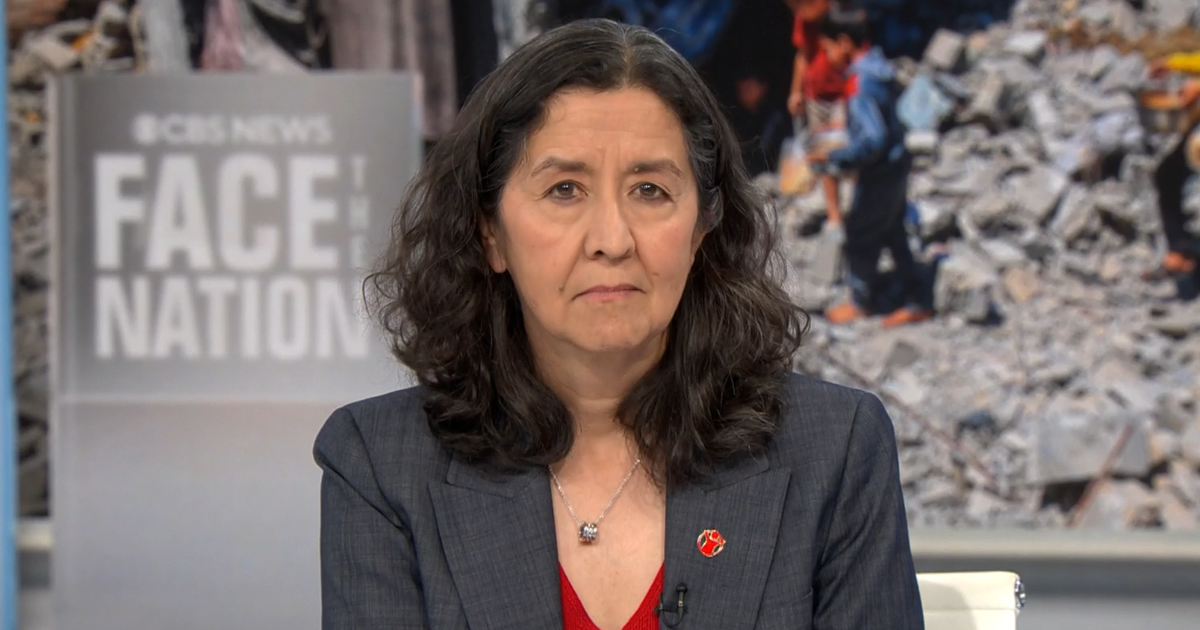
This is a transcript of a May 10, 2026 interview on CBS's Face the Nation with Margaret Brennan and Janti Soeripto, president and CEO of Save the Children U.S. Soeripto described her recent visit to Darfur, Sudan, calling the situation "the world's worst humanitarian crisis" and noting severe logistical impediments to getting aid to children and families. She said it took four days to reach a school supported by the organization, that aid workers must cross multiple militia lines, and that most households in the area she visited are now women-led after men were killed, disappeared, or joined fighting. Soeripto recounted widespread sexual violence cited by the U.N., described staff in Darfur as themselves displaced (about 150 colleagues in Darfur), and gave an example of a colleague and her injured 16-year-old daughter. She said hundreds of thousands are displaced in stretches of desert in northern Darfur. She also described supply-chain impacts tied to regional conflict, noting about a half-million stock items stuck in Dubai and higher transport costs (citing a 12–15% price increase for Plumpy'nut). On Gaza, Soeripto said Save the Children evaluated President Trump's 20-point peace plan using its data and staff testimony and found the plan was not succeeding: access for supplies and staff rotations remains limited, and their roughly 200 staff in Gaza face difficulties getting supplies and rotating personnel. Throughout, Soeripto emphasized that aid organizations are doing what they can but lack sufficient resources and face severe operational barriers.
Biblical Reflection
The article presents a humanitarian organization's first-hand account of acute suffering, logistical constraints, and the human cost of armed conflict. Its central ethical emphasis—urgent care for vulnerable children and women, and frustration with political and logistical barriers—aligns with the biblical emphasis on protecting the vulnerable and seeking justice for the oppressed. The interview is framed from an aid-provider perspective and relies heavily on field observations and cited U.N. figures; this is appropriate for reporting humanitarian conditions but may understate political or security rationales offered by belligerent parties for restricted access. Readers should note the article's implicit assumptions: that greater access and funding would materially reduce harm (a reasonable claim given humanitarian standards), and that current political arrangements or ceasefire plans are failing as measured by operational access and outcomes. Spiritually, the piece challenges believers to remember that suffering in distant conflicts is not abstract—children, mothers, and aid workers are materially harmed and need protection, advocacy, and prayer. At the same time, Christian discernment calls us to evaluate claims with charitable skepticism: verify statistics against independent sources (U.N., multiple NGOs), distinguish operational constraints from political choices, and be aware that humanitarian testimony aims both to inform and to urge policy and donor response. Ultimately, the article underscores biblical priorities of mercy, bearing others' burdens, and calling powers to account for the protection of the vulnerable.
Scripture in context
This outlook does not yet include contextual Scripture citations. Do not treat a general biblical theme as an exegetical conclusion.
Faithful Response
No prescribed response is offered. Consider the reflection prompts below in your own church context.
Reflection and Discussion
- 1What assumptions shape the humanitarian narrative here (e.g., that access and resources are the primary limiter), and where might political or security explanations need independent verification?
- 2How does this report prompt us to differentiate immediate relief needs from longer-term political solutions, and how should that affect how we evaluate claims of success or failure?
- 3In what ways does hearing a frontline humanitarian account challenge Christians to weigh prayer, advocacy, and material support when responding to distant crises?
Sources
Reporting links are evidence inputs; Sanctuary News' biblical reflection is commentary.
This outlook currently relies on fewer than two linked sources. Broaden verification before teaching from it.
- 1.Original reportprimary