News Summary
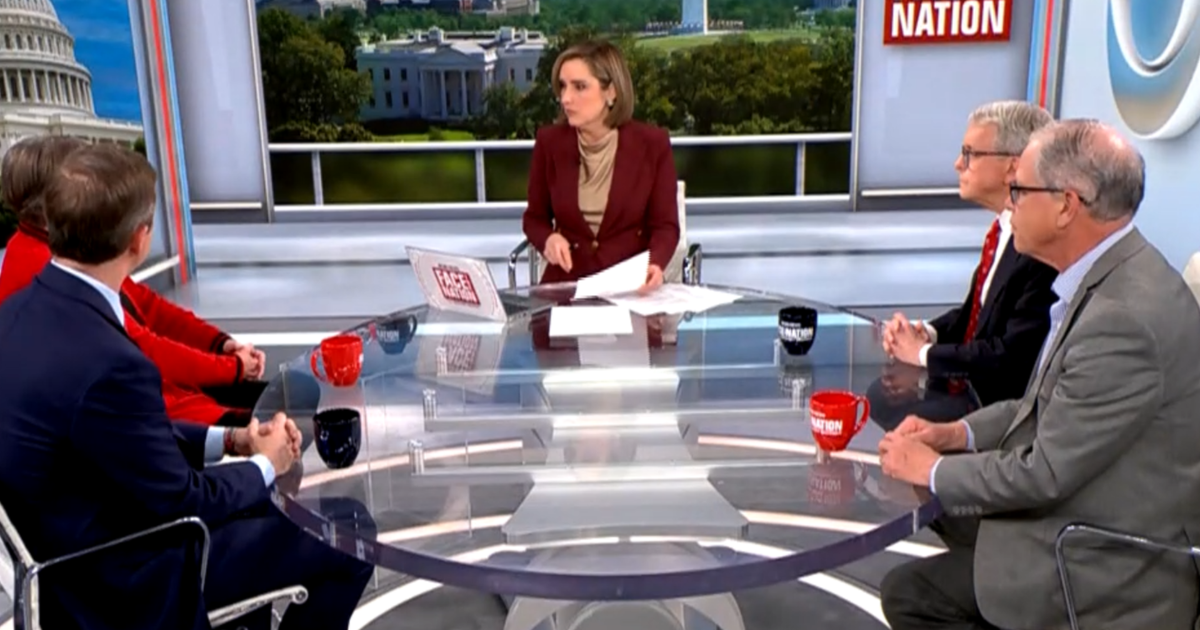
This transcript features a bipartisan discussion with Governors Laura Kelly (Kansas), Andy Beshear (Kentucky), Mike Braun (Indiana), and Mike DeWine (Ohio) on 'Face the Nation.' The conversation centers on the Supreme Court's decision that President Trump overstepped his authority with tariffs imposed via a 1977 law, the economic and industry-specific effects of those tariffs, and the broader implications for manufacturing, agriculture, and small businesses in their states. The governors discuss the complexities of trade policy, the need for fair and stable economic policies, and the impact of automation and technology on jobs. The second major topic is immigration policy and enforcement, covering federal-state cooperation, humanitarian concerns, Temporary Protected Status (TPS) for Haitians, workforce needs, and the political tensions surrounding both legal and illegal immigration. The conversation also touches on the challenges of governing in a polarized environment, the dangers of heightened rhetoric and threats (including swatting and bomb threats against officials), and the importance of bipartisan problem-solving at the state level.
Biblical Reflection
Through a scriptural lens, this conversation highlights both the strengths and weaknesses of contemporary civic leadership. The governors' willingness to engage across party lines and seek pragmatic solutions reflects the biblical call for peacemaking (Matthew 5:9) and wisdom in leadership (Proverbs 11:14). However, the recurring themes of instability, self-interest, and rhetoric driven by political gain stand in contrast to the biblical virtues of justice, humility, and compassion. The debates over tariffs and immigration reveal the tension between economic self-preservation and the call to care for the vulnerable (Leviticus 19:33-34, Matthew 25:35). Some policies, especially those that inflict economic harm on the least powerful or treat immigrants inhumanely, challenge the scriptural mandate to act justly and love mercy (Micah 6:8). While the governors emphasize problem-solving and respect, the broader political context remains marked by division, fear, and the temptation to wield power for partisan advantage—a warning echoed throughout scripture about the dangers of pride and the need for servant leadership. Christians are reminded to advocate for policies that reflect both justice and mercy, to pray for leaders, and to seek peace in the public square.
Scripture in context
This outlook does not yet include contextual Scripture citations. Do not treat a general biblical theme as an exegetical conclusion.
Faithful Response
No prescribed response is offered. Consider the reflection prompts below in your own church context.
Reflection and Discussion
- 1How do my political opinions and advocacy reflect the biblical commands to act justly, love mercy, and walk humbly?
- 2In what ways can I seek peace and unity in my community amidst political division?
- 3How can I advocate for both economic fairness and compassionate treatment of immigrants, as commanded in scripture?
Sources
Reporting links are evidence inputs; Sanctuary News' biblical reflection is commentary.
This outlook currently relies on fewer than two linked sources. Broaden verification before teaching from it.
- 1.Original reportprimary