News Summary
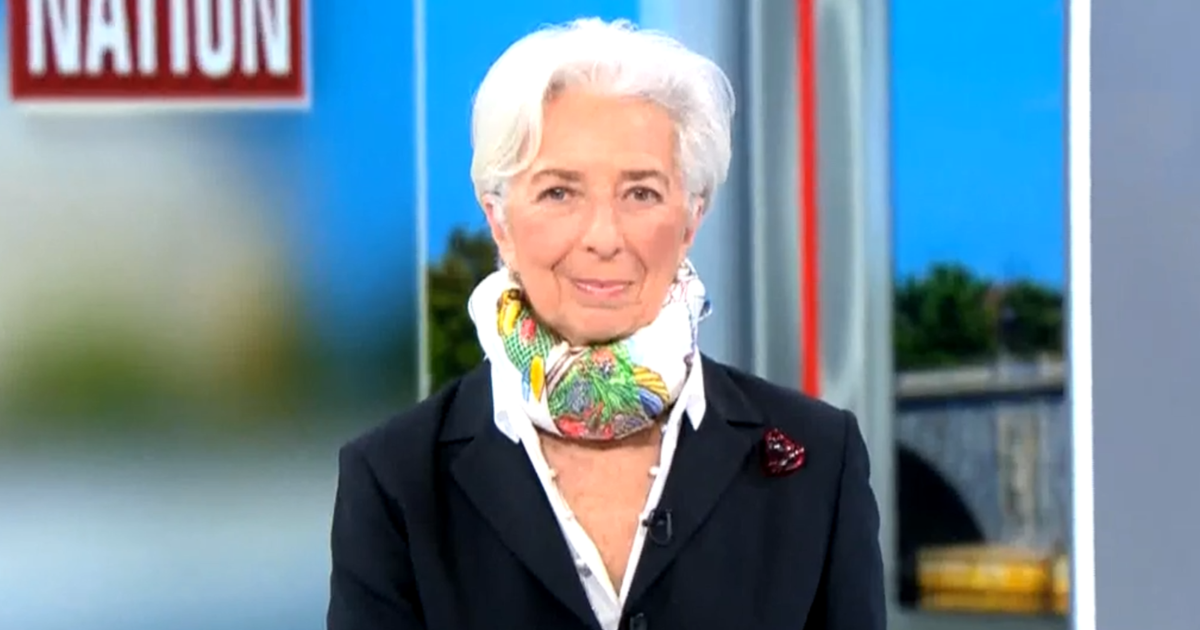
This article is a transcript of an interview with Christine Lagarde, president of the European Central Bank (ECB), on CBS's 'Face the Nation.' The discussion covers several key topics, including uncertainty in global trade relations between the US and the European Union, particularly concerning tariffs and trade agreements. Lagarde emphasizes the importance of legal clarity for economic stability and warns about the disruptive effects of sudden policy changes. She addresses the impact of tariffs on consumers and businesses, noting that much of the burden eventually falls on consumers. The conversation shifts to the importance of central bank independence amid rising populism and political pressures, referencing past and upcoming leadership changes at the US Federal Reserve. Lagarde affirms her commitment to her role and the mission of maintaining price and financial stability in the eurozone, while also discussing the challenges posed by nations like Russia and China seeking to circumvent Western sanctions. The interview closes with Lagarde reaffirming the importance of strong and independent European financial systems in the face of geopolitical tensions and ongoing conflict in Ukraine.
Biblical Reflection
Viewed through a biblical lens, this article highlights several scriptural themes: the need for justice and clarity in governance, the dangers of instability and partiality, and the importance of integrity in leadership. Scripture consistently warns against uncertainty, double-mindedness, and the oppression of the vulnerable (James 1:8; Proverbs 11:1). When trade policies and political pressures create confusion or unjust burdens, especially on ordinary consumers, it contradicts the biblical call to fairness and compassion. Lagarde's call for respect for the rule of law and independence in financial stewardship echoes the biblical principle that those in authority should act with impartiality and prudence (Proverbs 16:12; Romans 13:1-4). The conversation about resisting political interference in central banking aligns with Scripture's warnings against leaders who pursue self-interest over the common good. The broader context of international tensions and economic power struggles reminds us that earthly systems are often fragile and flawed, pointing Christians to place ultimate hope not in shifting political alliances or economic forecasts, but in God's unchanging justice and sovereignty. Ultimately, believers are called to pray for leaders, seek justice for the oppressed, and trust God through economic and political uncertainty.
Scripture in context
This outlook does not yet include contextual Scripture citations. Do not treat a general biblical theme as an exegetical conclusion.
Faithful Response
No prescribed response is offered. Consider the reflection prompts below in your own church context.
Reflection and Discussion
- 1How can we advocate for fairness and justice in economic systems that often seem complex or unjust?
- 2What does it look like to pray for and support leaders who face political and economic pressures?
- 3Where do I place my trust when facing uncertainty in worldly systems?
Sources
Reporting links are evidence inputs; Sanctuary News' biblical reflection is commentary.
This outlook currently relies on fewer than two linked sources. Broaden verification before teaching from it.
- 1.Original reportprimary